
The Art of Layering: Combining Surface Materials for a Unique Look
The Art of Layering: Combining Surface Materials for a Unique Look Table of Contents Introduction to Layering Surface Materials The Importance of Layering in Design Types of Surface Materials to Consider Techniques for Effective Layering Understanding Color and Texture in Layering Layering Surface Materials in Practice Case Studies: Successful Layering Examples Com
Release time:
21 Jan,2026
The Art of Layering: Combining Surface Materials for a Unique Look
Table of Contents
- Introduction to Layering Surface Materials
- The Importance of Layering in Design
- Types of Surface Materials to Consider
- Techniques for Effective Layering
- Understanding Color and Texture in Layering
- Layering Surface Materials in Practice
- Case Studies: Successful Layering Examples
- Common Mistakes to Avoid When Layering
- FAQs about Layering Surface Materials
- Conclusion
Introduction to Layering Surface Materials
Layering surface materials is a versatile design strategy that allows architects and designers to create visually engaging environments. By combining different textures, colors, and patterns, one can achieve depth and complexity within any space. This artistic approach not only enhances aesthetic appeal but also reflects personal style and character.
The Importance of Layering in Design
In modern design, layering surface materials serves multiple purposes. It can enhance functionality, create a focal point, or simply add visual interest. Here are some key aspects of why layering is essential:
Enhanced Aesthetic Appeal
By juxtaposing various materials, one can create a unique look that draws the eye. This interplay of different finishes can transform an ordinary space into something extraordinary.
Textural Diversity
Layering offers a way to introduce different textures, which can evoke a sensory response. For instance, the combination of a smooth marble countertop with a rustic wooden table creates contrast and intrigue.
Personal Expression
Using a mix of materials allows homeowners to express their individuality. Whether opting for a contemporary, industrial, or cozy rustic look, layering can reflect personal taste.
Types of Surface Materials to Consider
When it comes to layering, the choice of materials can greatly affect the overall design. Below are some categories to explore:
Natural Materials
Natural materials like wood, stone, and clay provide authenticity and warmth. They can be used in various applications, from flooring to accent walls.
Synthetic Materials
Synthetic options, such as laminate and vinyl, offer durability and can mimic the appearance of natural materials. They are often more affordable and easier to maintain.
Textiles
Incorporating textiles, such as fabrics and upholstery, adds comfort and softness. Consider layering rugs, cushions, and drapes for a cozy and inviting atmosphere.
Finishes and Coatings
Different finishes can drastically change the appearance of a material. High-gloss, matte, and textured finishes can all be layered to achieve distinct visual effects.
Techniques for Effective Layering
Layering is as much about technique as it is about material choice. Here are several techniques that can enhance your layering process:
Start with a Base Layer
Begin by selecting a dominant material that will serve as the base layer. This could be the flooring or a larger wall surface. Choosing a neutral palette can allow flexibility for other layers.
Build Gradually
Layering works best when it’s done gradually. Introduce additional materials one at a time, assessing how each element interacts with the others to maintain harmony.
Use Contrasting Elements
Contrasts in texture and color can create dynamic visuals. For example, pairing a sleek metal finish with a rough-hewn wood can add depth to your design.
Consider Proportions
Pay attention to the scale of each material. Larger spaces may benefit from bold, oversized patterns, whereas smaller areas can look stunning with intricate details.
Understanding Color and Texture in Layering
The interplay of color and texture is crucial in achieving a successful layered look. Here are some insights:
Color Coordination
When layering, cohesive color schemes can tie elements together. Analogous colors (colors next to each other on the color wheel) often work well, while complementary colors can add excitement.
Texture Balance
Mixing different textures enriches a space. A balance between smooth and rough textures can create visual intrigue and ensure the design feels well-rounded.
Natural vs. Man-made Textures
Combining natural textures (like stone) with man-made materials (like polished concrete) can yield a modern yet organic feel.
Layering Surface Materials in Practice
Applying layering techniques in real-world scenarios can enhance both residential and commercial spaces. Here are a few practical examples:
Residential Spaces
In homes, layering can be used effectively in living rooms, kitchens, and bathrooms. For example, a kitchen might combine a quartz countertop, a wooden island, and tiled backsplashes to create an inviting atmosphere.
Commercial Spaces
In commercial designs, layering can help establish brand identity. Retail spaces might use a combination of polished concrete floors, wooden shelving, and colorful accent walls to attract customers while promoting a brand message.
Case Studies: Successful Layering Examples
Exploring successful layering projects can provide inspiration:
Case Study 1: Modern Loft
A modern loft in an urban setting utilized open spaces and layered materials, including exposed brick, reclaimed wood beams, and sleek metal fixtures, creating an inviting yet edgy atmosphere.
Case Study 2: Rustic Cabin
In a rustic cabin design, the layering of stone fireplaces, wooden walls, and soft textiles like wool throws showcased a warm, cozy environment that felt organic and inviting.
Common Mistakes to Avoid When Layering
While layering can elevate a design, certain pitfalls can detract from its effectiveness. Here are some common mistakes:
Overcrowding
Too many materials can create confusion. Aim for a balanced approach where each layer complements rather than competes.
Lack of Cohesion
Choosing materials that clash can disrupt the visual flow. Always consider how each element interacts within the overall design.
Ignoring Scale
Using materials that are disproportionate to the space can lead to an unbalanced aesthetic. Ensure scale and proportion are considered in the layering process.
FAQs about Layering Surface Materials
1. What materials work best for layering?
Mix natural and synthetic materials, textiles, and finishes. Wood, stone, glass, and various fabrics are excellent choices.
2. How do I choose a base layer for my design?
Select a dominant material that provides a neutral backdrop, allowing for flexibility in adding layers.
3. Can I layer in small spaces?
Absolutely! Focus on fewer materials that create a harmonious look. Use light colors to avoid overwhelming the space.
4. What is the best way to test combinations before finalizing a design?
Create mood boards or sample swatches to visualize how different materials work together before committing.
5. How do I maintain layered surfaces?
Regular cleaning and maintenance vary by material. Follow care instructions for each surface type to ensure longevity.
Conclusion
Layering surface materials is an art form that blends creativity with functionality. By understanding the importance of material choice, employing effective techniques, and avoiding common mistakes, anyone can achieve a unique, visually striking environment. The right combination of textures, colors, and finishes can transform spaces, making them not only aesthetically pleasing but also a true reflection of personal style. Start layering today to unlock the full potential of your design!
Latest Blog
22 Feb,2026
The Impact of Surface Materials on Acoustic Performance in Buildings
The Impact of Surface Materials on Acoustic Performance in Buildings When designing a building, architects and interior designers must consider various factors to achieve both aesthetic appeal and functionality. Among these factors, **acoustic performance** plays a crucial role in creating comfortable spaces. The choice of **surface materials** significantly impacts how sound behaves within a bu
Read More →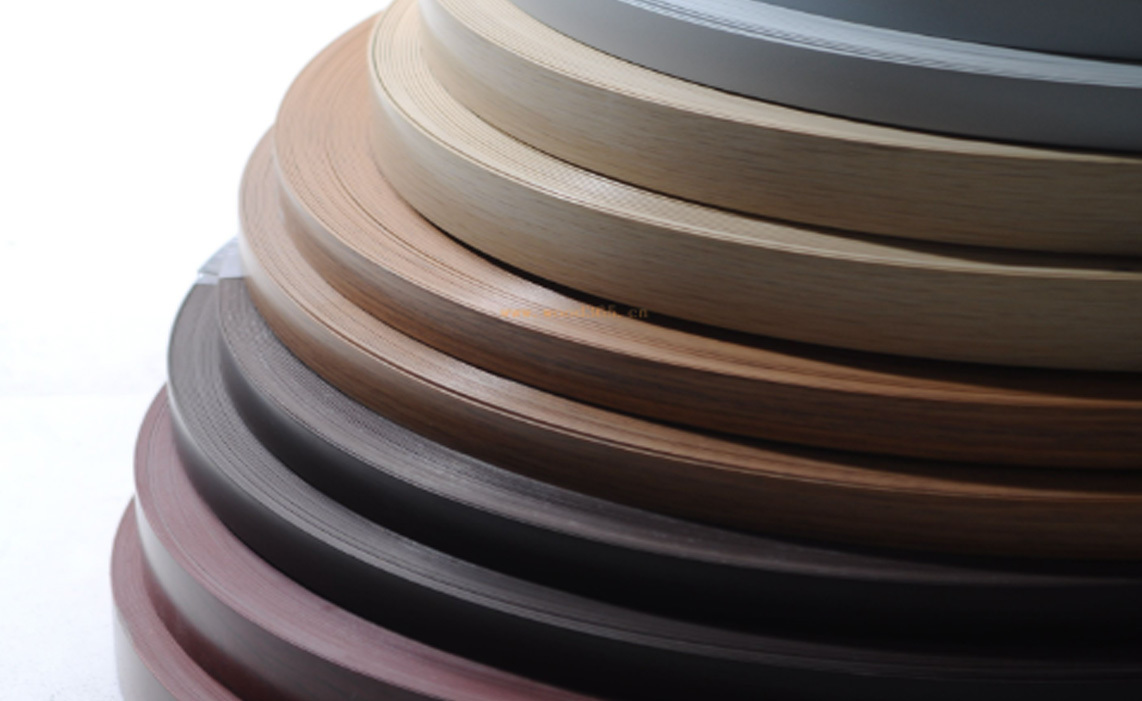
21 Feb,2026
The Essential Guide to PVC Edge Banding: Enhancing Aesthetics and Durability in Interior Design
PVC edge banding has become an essential component in the world of construction and decorative materials, particularly for interior design applications. This versatile material is primarily used to cover the exposed edges of furniture, cabinetry, and other surfaces, providing not only a clean and professional appearance but also enhancing durability and protection against wear and tear. One of the
Read More →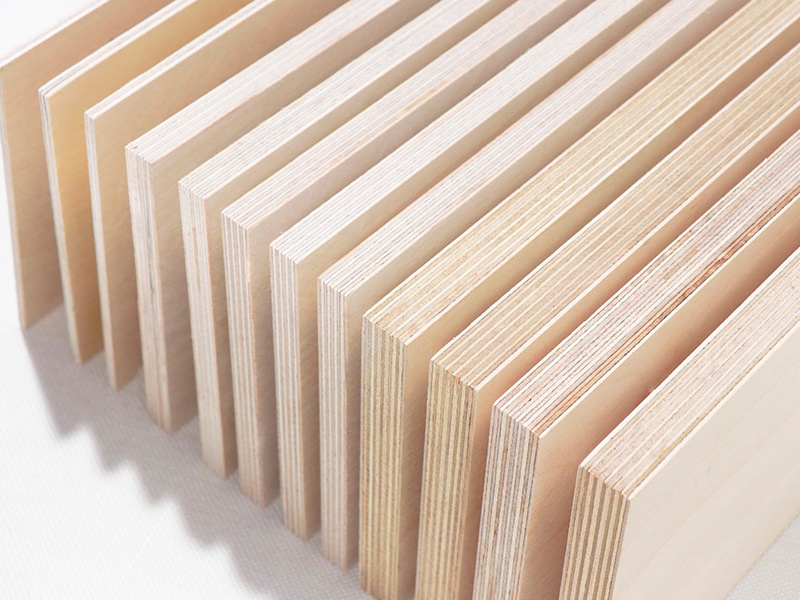
20 Feb,2026
The Role of Laminated Boards in Enhancing Acoustic Properties
The Role of Laminated Boards in Enhancing Acoustic Properties Table of Contents 1. Introduction to Laminated Boards 2. Understanding Acoustic Properties 3. How Laminated Boards Improve Acoustic Performance 3.1 Technical Advantages of Laminated Boards 3.2 Mechanisms of Sound Absorption 4. Applications of Laminated Boards i
Read More →Contact Us
Sales manager SUNNY LIU
+86 15751150508 (wechat、whatsapp)
E-mail: Sunny@devandecor.com
Add: NO.8 DONGHUAN RD,HENGLIN TOWN,WUJIN DISTRICT, CHANGZHOU ,JIANGSU,CHINA
Copyright © 2025 Changzhou Defan New Materials Co., Ltd. All rights reserved. www.300.cn SEO
Subscribe our newsletter
Welcome to leave us a message, we will reply to you as soon as possible