
Exploring the Versatility and Benefits of Surface Materials in Architectural Design
In the architectural and decoration industry, the choice of surface materials plays a pivotal role in influencing the overall aesthetic and functionality of a space. Surface materials refer to the various materials used to cover and finish surfaces in buildings, which include walls, floors, ceilings, and furniture. Their importance extends beyond mere appearance; they significantly impact a buildi
Release time:
26 Jan,2026
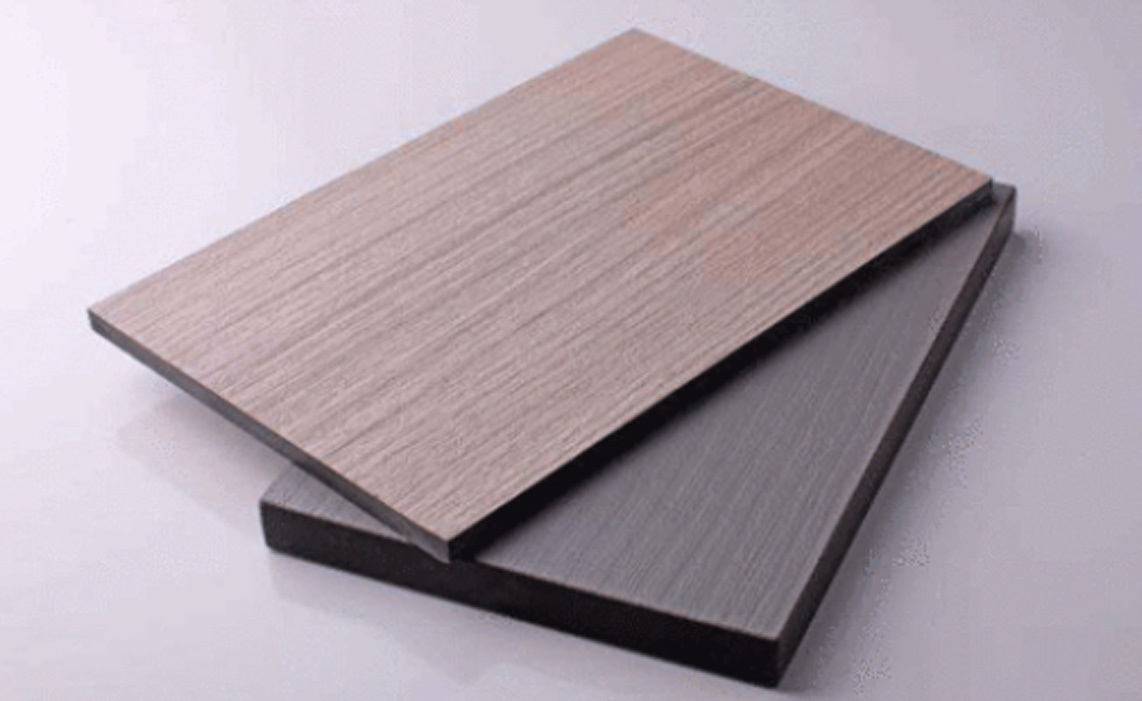
One of the key benefits of surface materials is their versatility. From natural options such as wood, stone, and metal to synthetic materials like vinyl and composite panels, architects and designers have a plethora of choices to suit different design themes and functional requirements. For instance, wood provides warmth and a timeless appeal, while metal can impart a contemporary edge and durability. The selection of surface materials can set the tone for a space, whether it aims for a rustic, minimalist, or luxurious ambiance.
In addition to aesthetics, the functionality of surface materials is crucial. For instance, materials with high durability are essential in high-traffic areas to withstand wear and tear. Similarly, moisture-resistant surfaces are vital in bathrooms and kitchens to prevent mold and deterioration. The choice of materials can also affect acoustics, insulation, and energy efficiency, demonstrating their comprehensive influence on building performance.
Sustainability is another significant consideration in the choice of surface materials. With the growing emphasis on eco-friendly practices, many architects are now opting for materials that have a reduced environmental impact. This includes using recycled materials or sourcing from sustainable forests, which not only helps in minimizing the ecological footprint but also appeals to environmentally-conscious consumers.
Moreover, advances in technology have led to innovative surface materials that combine aesthetic appeal with enhanced functionality. For example, self-cleaning surfaces and those with antimicrobial properties are becoming increasingly popular in both residential and commercial spaces. These innovations not only facilitate maintenance but also contribute to healthier living environments.
In summary, the choice of surface materials is a critical aspect of architectural design that influences both the aesthetic and functional qualities of a space. With their diverse applications, sustainable options, and innovative developments, these materials continue to play a vital role in shaping modern architecture. By understanding the various attributes and benefits of surface materials, professionals in the building and decoration industry can create spaces that are not only visually appealing but also practical and sustainable.
Latest Blog
22 Feb,2026
The Impact of Surface Materials on Acoustic Performance in Buildings
The Impact of Surface Materials on Acoustic Performance in Buildings When designing a building, architects and interior designers must consider various factors to achieve both aesthetic appeal and functionality. Among these factors, **acoustic performance** plays a crucial role in creating comfortable spaces. The choice of **surface materials** significantly impacts how sound behaves within a bu
Read More →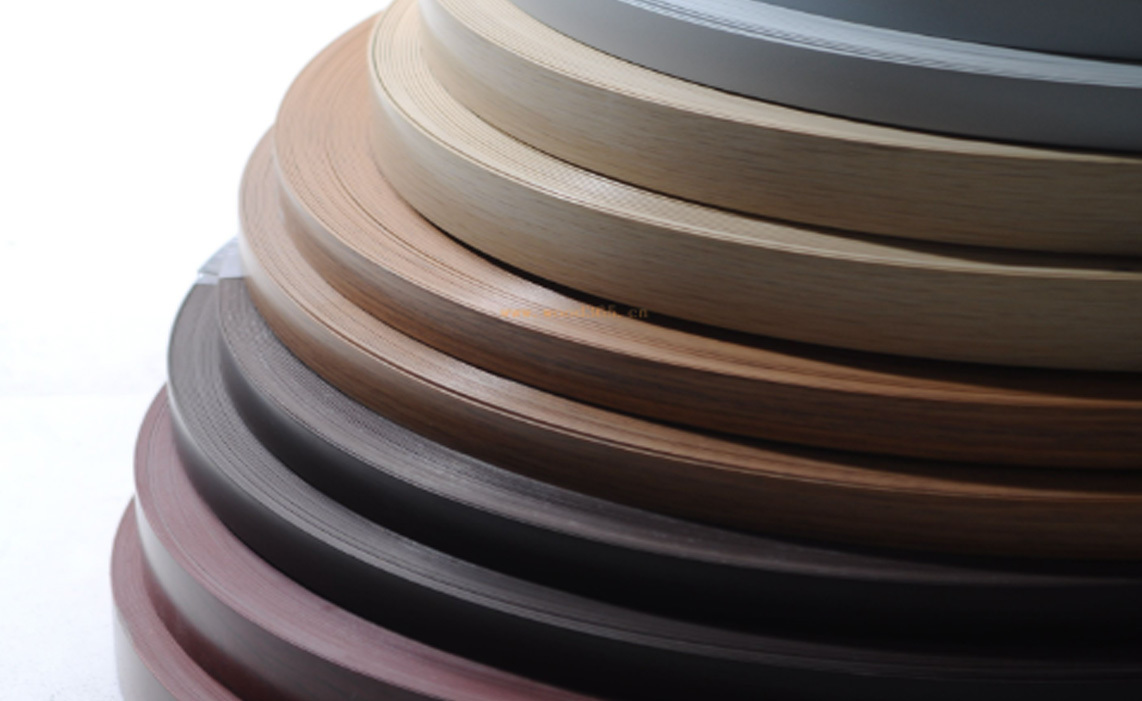
21 Feb,2026
The Essential Guide to PVC Edge Banding: Enhancing Aesthetics and Durability in Interior Design
PVC edge banding has become an essential component in the world of construction and decorative materials, particularly for interior design applications. This versatile material is primarily used to cover the exposed edges of furniture, cabinetry, and other surfaces, providing not only a clean and professional appearance but also enhancing durability and protection against wear and tear. One of the
Read More →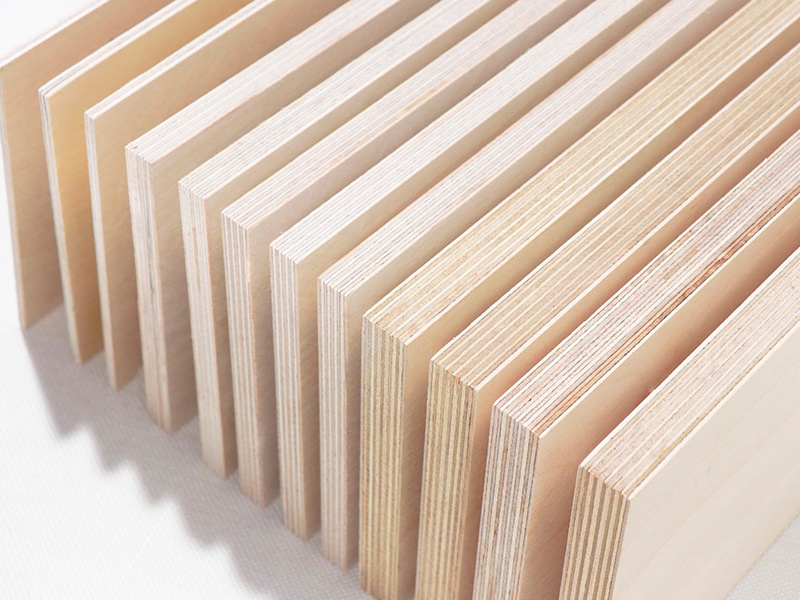
20 Feb,2026
The Role of Laminated Boards in Enhancing Acoustic Properties
The Role of Laminated Boards in Enhancing Acoustic Properties Table of Contents 1. Introduction to Laminated Boards 2. Understanding Acoustic Properties 3. How Laminated Boards Improve Acoustic Performance 3.1 Technical Advantages of Laminated Boards 3.2 Mechanisms of Sound Absorption 4. Applications of Laminated Boards i
Read More →Contact Us
Sales manager SUNNY LIU
+86 15751150508 (wechat、whatsapp)
E-mail: Sunny@devandecor.com
Add: NO.8 DONGHUAN RD,HENGLIN TOWN,WUJIN DISTRICT, CHANGZHOU ,JIANGSU,CHINA
Copyright © 2025 Changzhou Defan New Materials Co., Ltd. All rights reserved. www.300.cn SEO
Subscribe our newsletter
Welcome to leave us a message, we will reply to you as soon as possible