
The Evolution of Decorative Materials: A Comprehensive Exploration of Impregnated Paper
The Evolution of Decorative Materials: A Focus on Impregnated Paper The world of decorative materials has undergone a remarkable transformation over the decades. As architects and designers continuously seek innovative solutions to enhance aesthetic appeal and functionality, **impregnated paper** has emerged as a standout material. In this article, we will explore its history, applications, advant
Release time:
08 Feb,2026
The Evolution of Decorative Materials: A Focus on Impregnated Paper
The world of decorative materials has undergone a remarkable transformation over the decades. As architects and designers continuously seek innovative solutions to enhance aesthetic appeal and functionality, **impregnated paper** has emerged as a standout material. In this article, we will explore its history, applications, advantages, and future prospects, providing a comprehensive understanding of this versatile decorative material.
Table of Contents
- 1. The Historical Background of Decorative Materials
- 2. Understanding Impregnated Paper
- 3. The Manufacturing Process of Impregnated Paper
- 4. Applications of Impregnated Paper in Modern Design
- 5. Advantages of Using Impregnated Paper
- 6. Environmental Considerations and Sustainability
- 7. Innovations and Trends in Decorative Materials
- 8. Future of Impregnated Paper in Architecture
- 9. FAQs About Impregnated Paper
- 10. Conclusion
1. The Historical Background of Decorative Materials
The evolution of decorative materials can be traced back to ancient civilizations, where artisans used natural resources to beautify their environments. From **clay and stone carvings** in ancient Egypt to the intricate wall tapestries of medieval Europe, the journey of decorative materials reflects cultural values and technological advancements.
As industrialization progressed in the 18th and 19th centuries, new materials and methods emerged. Synthetic materials began to replace traditional ones, allowing for mass production and greater accessibility. This shift paved the way for the development of modern decorative materials, including impregnated paper, which combines aesthetics with practicality.
2. Understanding Impregnated Paper
Impregnated paper is a decorative material created by saturating paper with a resin, typically phenolic or melamine, which cures to form a durable, moisture-resistant surface. This process not only enhances the paper's strength but also allows for a variety of finishes and textures, making it suitable for various applications.
The versatility of impregnated paper lies in its ability to imitate natural materials such as wood, stone, and fabric. By incorporating advanced printing technologies, manufacturers can achieve realistic designs that cater to diverse aesthetic preferences.
3. The Manufacturing Process of Impregnated Paper
The production of impregnated paper involves several meticulous steps:
1. **Paper Selection**: High-quality base paper is chosen for its strength and durability. The type of paper used can significantly affect the final product's texture and appearance.
2. **Impregnation**: The selected paper is immersed in a resin solution, allowing it to absorb the resin thoroughly. This step is crucial for enhancing the paper's properties.
3. **Curing**: The impregnated paper is then exposed to heat and pressure, which causes the resin to cure. This process transforms the paper into a robust, water-resistant material.
4. **Finishing**: Once cured, the impregnated paper can undergo additional treatments, such as sanding or coating, to achieve the desired surface finish.
5. **Cutting and Packaging**: Finally, the material is cut into sheets or rolls and packaged for distribution, ready to be utilized in various applications.
4. Applications of Impregnated Paper in Modern Design
Impregnated paper has found its niche in various sectors, primarily due to its aesthetic versatility and durability. Here are some common applications:
- **Furniture Design**: Impregnated paper is often used as a laminate surface for furniture, providing a stylish finish that is easy to clean and maintain.
- **Interior Wall Panels**: Decorative wall panels made from impregnated paper can simulate the appearance of expensive materials like wood and stone, offering an affordable yet elegant solution for interior spaces.
- **Cabinetry**: Kitchen and bathroom cabinets featuring impregnated paper surfaces are not only visually appealing but also resistant to moisture and wear.
- **Flooring Solutions**: With advances in technology, impregnated paper is now used in laminate flooring, providing a realistic wood grain look while ensuring durability against scratches and stains.
- **Commercial Spaces**: Retail stores, offices, and restaurants utilize impregnated paper for wall coverings, furniture, and fixtures, enhancing the overall aesthetic while ensuring longevity.
5. Advantages of Using Impregnated Paper
The popularity of impregnated paper can be attributed to several key advantages:
- **Durability**: The resin impregnation process significantly increases the paper's resistance to wear, moisture, and heat, making it suitable for high-traffic areas.
- **Aesthetic Variety**: With advanced printing techniques, impregnated paper can mimic a plethora of textures and finishes, from natural wood grains to modern geometric patterns.
- **Cost-Effectiveness**: Compared to solid wood or stone, impregnated paper provides a more affordable alternative without compromising on style or durability.
- **Ease of Maintenance**: Surfaces made from impregnated paper are typically easy to clean and maintain, requiring only a damp cloth for routine cleaning.
- **Lightweight**: Impregnated paper is significantly lighter than traditional materials, making it easier to handle during installation and reducing transportation costs.
6. Environmental Considerations and Sustainability
In today's eco-conscious environment, the sustainability of materials is a pivotal concern. Impregnated paper is positioned favorably in this regard. Many manufacturers are adopting environmentally friendly practices, such as using recycled paper and sustainable resin formulations.
Moreover, the longevity and durability of impregnated paper contribute to reduced waste in the long run, as fewer replacements are needed over time. By choosing impregnated paper, designers and architects can align their projects with sustainable building practices.
7. Innovations and Trends in Decorative Materials
As design trends evolve, so too do the materials used in architecture and interior design. Impregnated paper has seen several exciting innovations, including:
1. **Smart Technologies**: The integration of smart technologies into decorative materials is on the rise, with impregnated paper potentially incorporating features like temperature regulation or light absorption.
2. **Textured Finishes**: Advances in manufacturing have led to the development of textured impregnated papers that add dimension and complexity to surfaces.
3. **Eco-Friendly Options**: The continuous push for sustainability is leading to the creation of eco-conscious impregnated paper, made from renewable resources and designed to minimize environmental impact.
4. **Custom Designs**: As customization becomes increasingly popular, manufacturers are offering bespoke impregnated paper solutions, allowing designers to create unique looks tailored to specific projects.
8. Future of Impregnated Paper in Architecture
The future of impregnated paper in architecture looks promising, with increasing acceptance and utilization in both residential and commercial projects. As architects and designers continue to seek materials that offer both beauty and functionality, impregnated paper's versatility positions it well for growth.
With ongoing advancements in technology and a greater emphasis on sustainability, the next decade may see even more innovative applications for impregnated paper, solidifying its place as a staple in the world of decorative materials.
9. FAQs About Impregnated Paper
What is impregnated paper made of?
Impregnated paper is made from a base paper that is saturated with a resin solution, which is then cured to create a durable, moisture-resistant surface.
How is impregnated paper different from regular paper?
Unlike regular paper, impregnated paper offers enhanced durability, moisture resistance, and the ability to mimic various textures and finishes.
Can impregnated paper be used outdoors?
While predominantly used for interior applications, specific types of impregnated paper can be treated for outdoor use, though it is essential to verify with the manufacturer.
Is impregnated paper eco-friendly?
Many manufacturers are now producing impregnated paper using recycled materials and environmentally friendly resins, making it a more sustainable option compared to traditional materials.
How do you clean surfaces made of impregnated paper?
Surfaces made from impregnated paper can be easily cleaned with a damp cloth and mild detergent. Avoid using abrasive cleaners that may scratch the surface.
10. Conclusion
The evolution of decorative materials has brought impregnated paper to the forefront as a versatile, practical, and aesthetically pleasing option for architects and designers. Its unique combination of durability, design flexibility, and sustainability makes it an excellent choice for a wide range of applications in the modern design landscape.
As we look to the future, impregnated paper is set to continue its journey, adapting to trends and innovations that prioritize both beauty and functionality in our built environments. Embracing this dynamic material opens up a world of possibilities for creating stunning and enduring spaces.
Latest Blog
22 Feb,2026
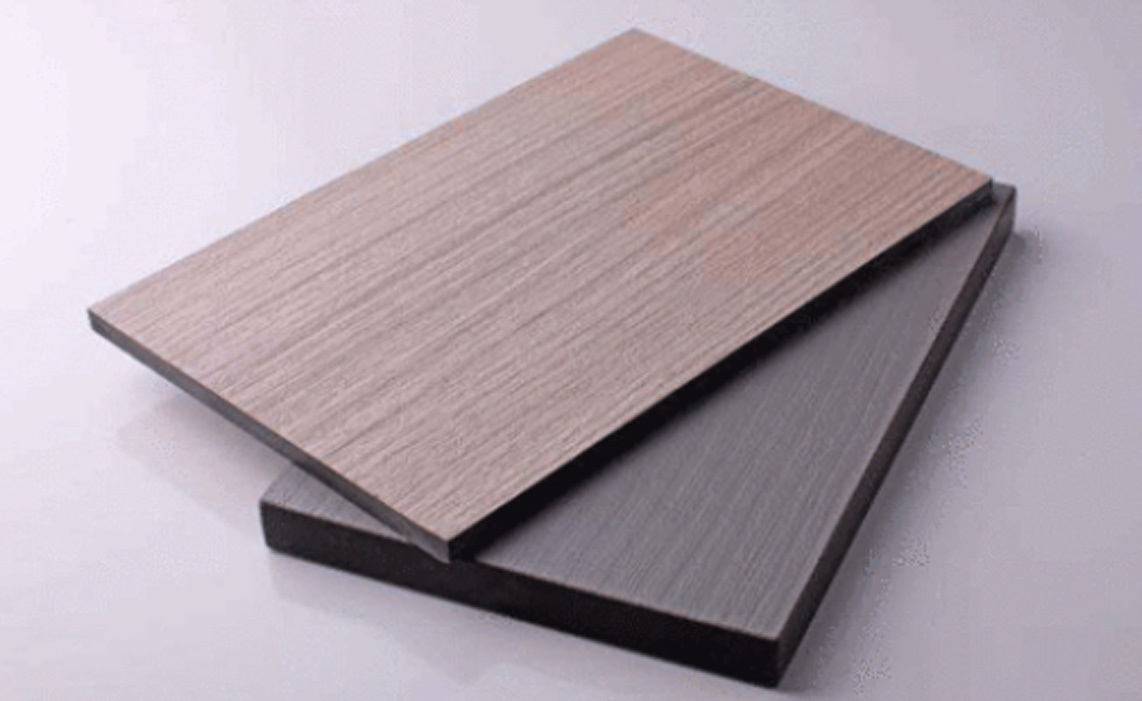
The Impact of Surface Materials on Acoustic Performance in Buildings
The Impact of Surface Materials on Acoustic Performance in Buildings When designing a building, architects and interior designers must consider various factors to achieve both aesthetic appeal and functionality. Among these factors, **acoustic performance** plays a crucial role in creating comfortable spaces. The choice of **surface materials** significantly impacts how sound behaves within a bu
Read More →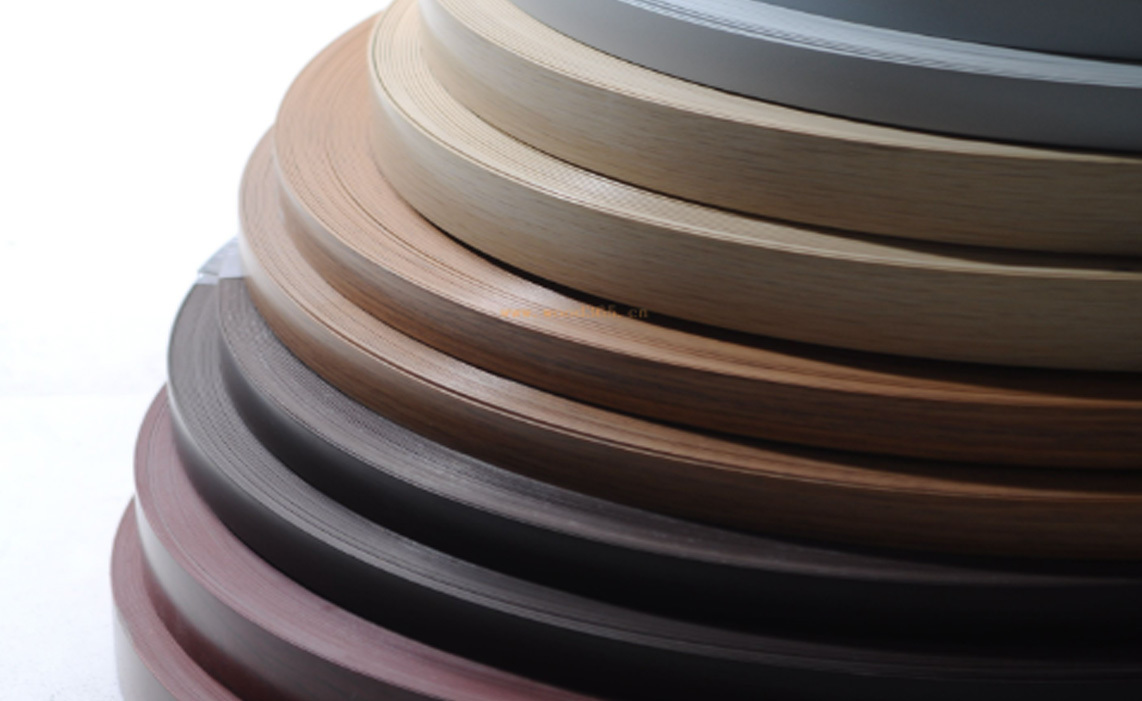
21 Feb,2026
The Essential Guide to PVC Edge Banding: Enhancing Aesthetics and Durability in Interior Design
PVC edge banding has become an essential component in the world of construction and decorative materials, particularly for interior design applications. This versatile material is primarily used to cover the exposed edges of furniture, cabinetry, and other surfaces, providing not only a clean and professional appearance but also enhancing durability and protection against wear and tear. One of the
Read More →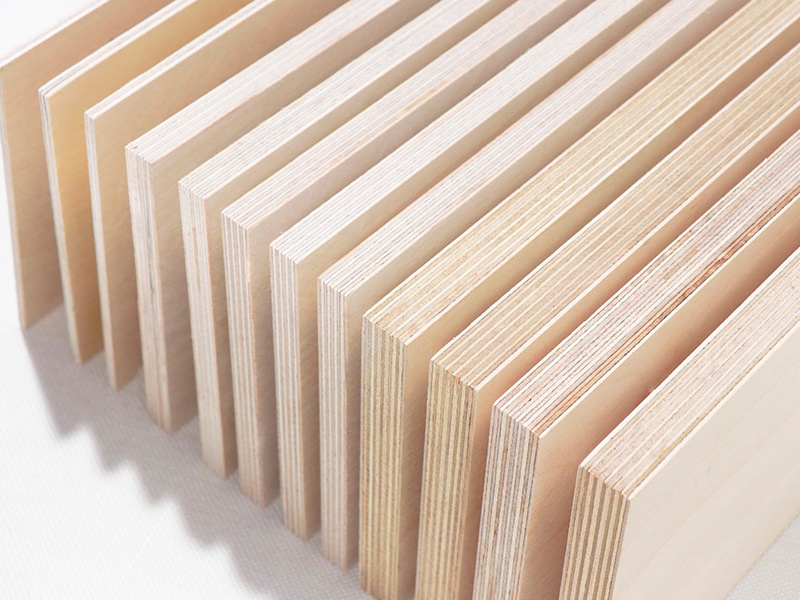
20 Feb,2026
The Role of Laminated Boards in Enhancing Acoustic Properties
The Role of Laminated Boards in Enhancing Acoustic Properties Table of Contents 1. Introduction to Laminated Boards 2. Understanding Acoustic Properties 3. How Laminated Boards Improve Acoustic Performance 3.1 Technical Advantages of Laminated Boards 3.2 Mechanisms of Sound Absorption 4. Applications of Laminated Boards i
Read More →Contact Us
Sales manager SUNNY LIU
+86 15751150508 (wechat、whatsapp)
E-mail: Sunny@devandecor.com
Add: NO.8 DONGHUAN RD,HENGLIN TOWN,WUJIN DISTRICT, CHANGZHOU ,JIANGSU,CHINA
Copyright © 2025 Changzhou Defan New Materials Co., Ltd. All rights reserved. www.300.cn SEO
Subscribe our newsletter
Welcome to leave us a message, we will reply to you as soon as possible