
Surface Materials and Texture: Creating Depth in Your Décor
Surface Materials and Texture: Creating Depth in Your Décor Table of Contents Introduction to Surface Materials Understanding Texture in Design The Importance of Depth in Interior Design Types of Surface Materials That Add Depth Natural Materials Man-Made Materials Techniques to Create Depth Using Surface Materials
Release time:
12 Feb,2026
Surface Materials and Texture: Creating Depth in Your Décor
Table of Contents
- Introduction to Surface Materials
- Understanding Texture in Design
- The Importance of Depth in Interior Design
- Types of Surface Materials That Add Depth
- Techniques to Create Depth Using Surface Materials
- Practical Applications of Depth in Decor
- Common Mistakes to Avoid
- FAQs About Surface Materials and Texture
- Conclusion
Introduction to Surface Materials
In the world of interior design, **surface materials and textures** play a crucial role in shaping the overall aesthetic and atmosphere of a space. The right combination can evoke warmth, sophistication, and even excitement. As we explore the intricate details of how to create depth in your décor, it becomes evident that the choice of materials is not merely a decorative decision but a fundamental aspect of design strategy.
Understanding Texture in Design
Texture refers to the surface quality of a material, encompassing both tangible and visual sensations. In the realm of design, it can be categorized into two types: **actual texture**, which can be felt, and **visual texture**, which can only be seen. The interplay between these textures significantly contributes to the depth and richness of a space.
By manipulating texture, we can create focal points, add layers of interest, and invite tactile experiences that engage residents and guests alike. Consider how a smooth leather sofa contrasts with a chunky knit throw or how the sheen of a metallic fixture harmonizes with a rough, plastered wall. Each element adds a different layer to the visual narrative.
The Importance of Depth in Interior Design
Depth is essential for making a room feel inviting and multi-dimensional. Spaces that lack depth can appear flat and uninviting. When depth is incorporated thoughtfully, a room can evoke emotions and create a sense of continuity.
**Depth in décor** can enhance the perception of space, making small areas feel larger and ensuring larger spaces do not feel overwhelming. By employing various surface materials, designers can guide the eye, creating pathways and leading to focal points that make the design cohesive and interesting.
Types of Surface Materials That Add Depth
When it comes to adding depth through surface materials, the options are virtually limitless. Below, we delve into two primary categories: **natural materials** and **man-made materials**, both offering unique benefits and aesthetic qualities.
Natural Materials
Natural materials, such as wood, stone, and clay, bring an organic feel to a space. They often feature rich textures and variations that add visual interest.
- **Wood**: Available in countless finishes and types, wood can add warmth and sophistication. Whether it’s a reclaimed wood accent wall or sleek, modern cabinetry, wood's natural grain introduces depth and character.
- **Stone**: With its unique imperfections and innate beauty, stone adds timeless elegance. Options like granite or limestone can be introduced into flooring, countertops, or as feature walls.
- **Textile**: Fabrics like wool, linen, and cotton can introduce softness and warmth, creating layers of texture in a room.
Man-Made Materials
Man-made materials also offer a wide array of choices that can mimic natural textures or introduce innovative designs.
- **Glass**: This versatile material can introduce transparency or color while reflecting light, creating a sense of depth and space. Consider glass shelving or decorative accents.
- **Metal**: Finishes such as brushed nickel, brass, or copper can add a modern twist. The reflective quality of metal can create illusions of depth and space.
- **Synthetic Textiles**: These include materials like polyester and nylon, which can be designed to mimic natural fabrics while offering durability and easy maintenance.
Techniques to Create Depth Using Surface Materials
To effectively utilize surface materials for creating depth, several techniques can be employed. Here are some key strategies:
Layering Textures
Layering different textures is one of the most effective ways to create depth in a room. Combine smooth and rough textures, shiny and matte finishes, and soft and hard materials. For instance, a plush area rug over a hardwood floor, paired with a sleek leather sofa and textured throw pillows, can create an inviting and layered look.
Utilizing Color Contrast
Color contrast can also play a pivotal role in depth perception. Bold colors alongside neutral tones can help certain elements stand out. For example, a dark accent wall can make lighter furniture pop, creating a visual anchor.
Playing with Patterns
Integrating various patterns can also enhance depth. Use patterned wallpapers, textiles, or decorative accents in a way that complements but does not overwhelm. Mixing geometric patterns with organic designs can create a dynamic visual experience.
Practical Applications of Depth in Décor
To effectively apply these concepts in your decor, consider the following practical applications:
1. **Accent Walls**: Use textured wallpaper or wood paneling to create an accent wall. This draws the eye and establishes depth within the room.
2. **Furniture Arrangement**: Layer furniture and accessories to create zones within a space. Use rugs to define areas, and vary heights in shelving and décor items.
3. **Lighting**: Employ various lighting sources to highlight different textures and surfaces. Natural light can also enhance surface materials, emphasizing their qualities.
4. **Art and Accessories**: Incorporate artwork that introduces different surface textures. Sculptures or mixed media pieces can add further layers to your décor.
Common Mistakes to Avoid
Creating depth in your décor can be challenging, and there are common pitfalls to be aware of:
- **Overwhelming Use of Textures**: While layering textures is key, overdoing it can make a space feel chaotic. Aim for balance and harmony.
- **Ignoring Scale and Proportion**: Ensure that the sizes of your materials and furnishings are proportionate to the space. Large textures in small rooms can feel cramped.
- **Neglecting Maintenance**: Some materials require specific care. Consider how you will maintain your choice of textures, especially in high-traffic areas.
FAQs About Surface Materials and Texture
1. What are the best materials for creating depth in a small room?
Using lighter colors combined with various textures can help create the illusion of space. Consider incorporating mirrors to reflect light and make the room appear larger.
2. How can I integrate textures without cluttering my space?
Focus on a few key textures, and ensure they complement each other. Use neutral colors as a base, and add depth with accent materials.
3. Are there any specific textures that are trending right now?
Natural materials like reclaimed wood and textured fabrics are gaining popularity, along with bold metallic accents.
4. How do I maintain the textures in my décor?
Regular cleaning and appropriate care are vital. Follow manufacturer guidelines for specific materials, and protect surfaces from wear and tear.
5. Can I mix different styles of textures together?
Yes, mixing textures is encouraged as long as they complement each other. Consider the overall theme of your space, and use contrasting elements to create interest.
Conclusion
Incorporating **surface materials and textures** into your décor is essential for creating depth and visual interest. By understanding the various types of materials available and employing key techniques such as layering, color contrast, and pattern play, we can transform any space into a multidimensional wonder. Remember to balance different textures and maintain harmony throughout the design. Embrace creativity and personal style as you craft spaces that not only look beautiful but also feel inviting and engaging. With thoughtful consideration, your interiors can truly come alive with depth and character.
Latest Blog
22 Feb,2026
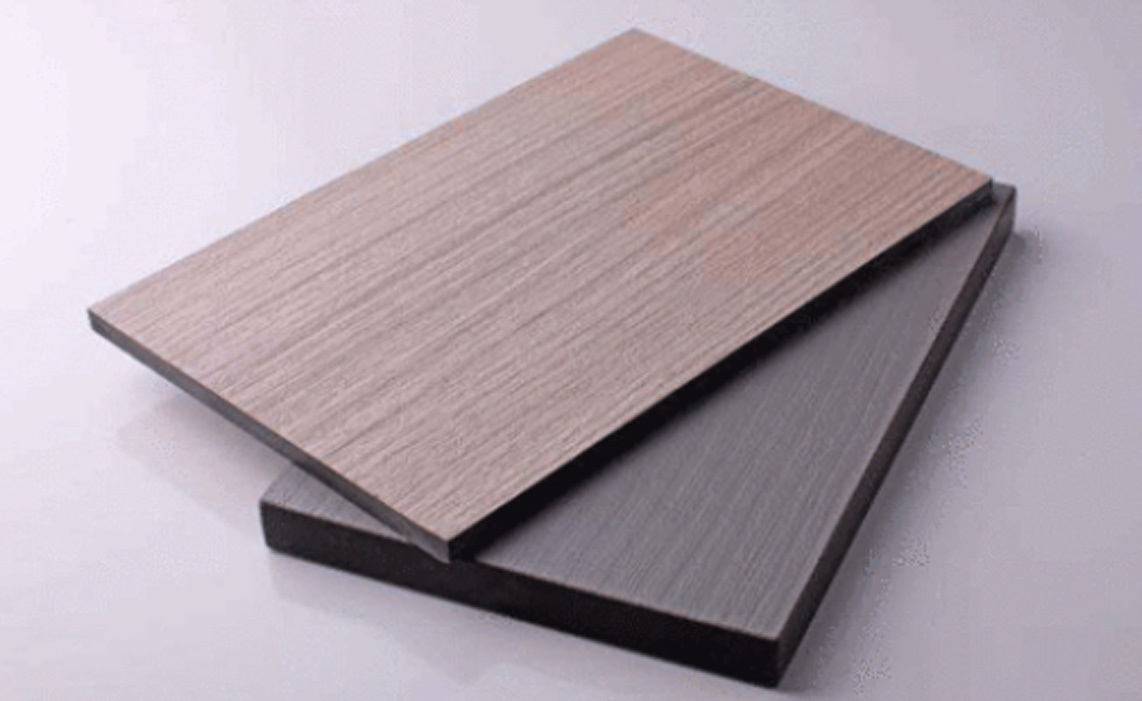
The Impact of Surface Materials on Acoustic Performance in Buildings
The Impact of Surface Materials on Acoustic Performance in Buildings When designing a building, architects and interior designers must consider various factors to achieve both aesthetic appeal and functionality. Among these factors, **acoustic performance** plays a crucial role in creating comfortable spaces. The choice of **surface materials** significantly impacts how sound behaves within a bu
Read More →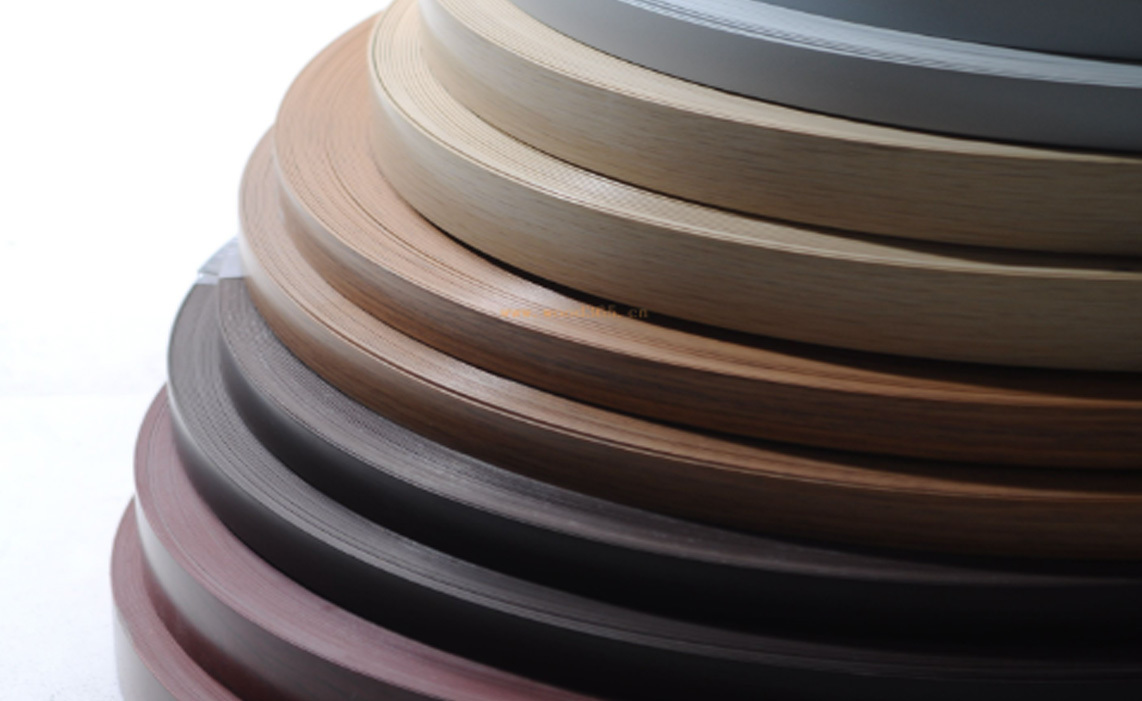
21 Feb,2026
The Essential Guide to PVC Edge Banding: Enhancing Aesthetics and Durability in Interior Design
PVC edge banding has become an essential component in the world of construction and decorative materials, particularly for interior design applications. This versatile material is primarily used to cover the exposed edges of furniture, cabinetry, and other surfaces, providing not only a clean and professional appearance but also enhancing durability and protection against wear and tear. One of the
Read More →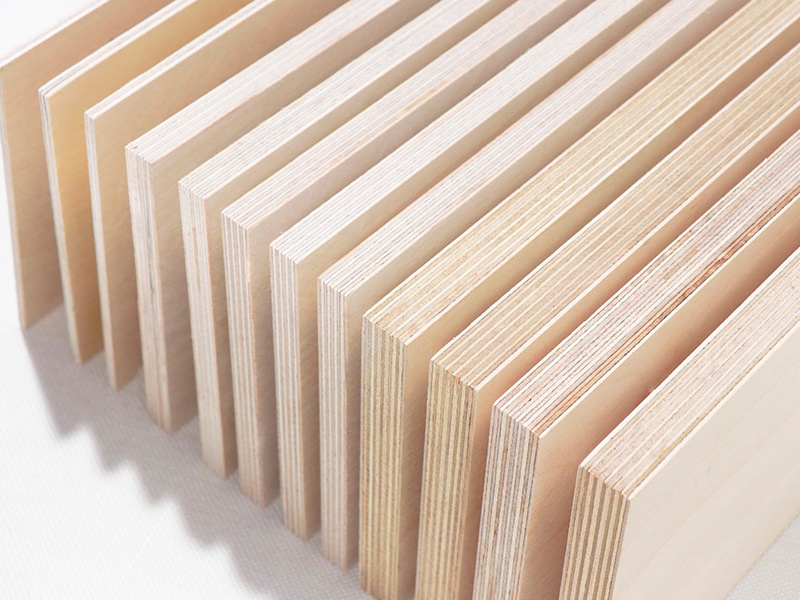
20 Feb,2026
The Role of Laminated Boards in Enhancing Acoustic Properties
The Role of Laminated Boards in Enhancing Acoustic Properties Table of Contents 1. Introduction to Laminated Boards 2. Understanding Acoustic Properties 3. How Laminated Boards Improve Acoustic Performance 3.1 Technical Advantages of Laminated Boards 3.2 Mechanisms of Sound Absorption 4. Applications of Laminated Boards i
Read More →Contact Us
Sales manager SUNNY LIU
+86 15751150508 (wechat、whatsapp)
E-mail: Sunny@devandecor.com
Add: NO.8 DONGHUAN RD,HENGLIN TOWN,WUJIN DISTRICT, CHANGZHOU ,JIANGSU,CHINA
Copyright © 2025 Changzhou Defan New Materials Co., Ltd. All rights reserved. www.300.cn SEO
Subscribe our newsletter
Welcome to leave us a message, we will reply to you as soon as possible