
Understanding Laminated Boards: A Comprehensive Guide for Construction and Decoration
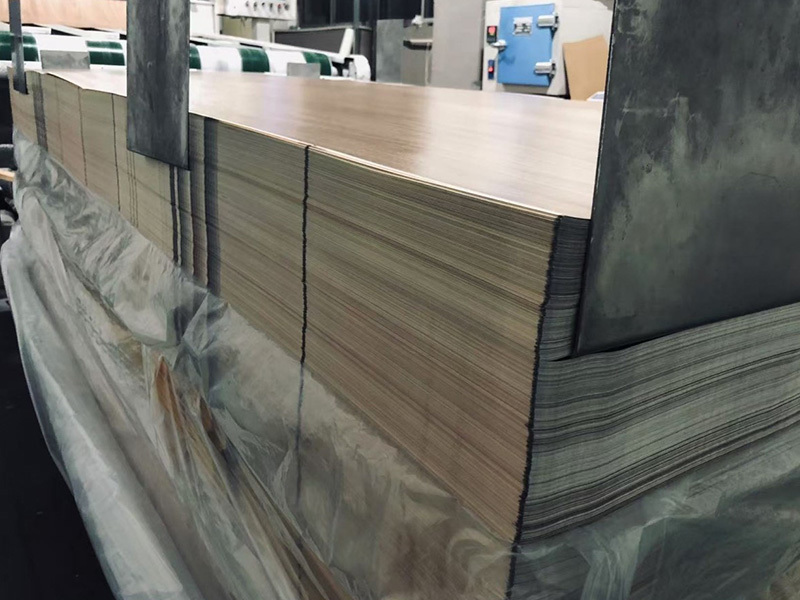
Laminated boards, also known as engineered wood products, are created by binding together multiple layers of materials, often including wood veneer, particleboard, or medium-density fiberboard (MDF). This process enhances the inherent properties of the material, resulting in a product that is not only aesthetically pleasing but also durable and versatile. The construction of laminated boards allow
Release time:
28 May,2026
One of the primary advantages of laminated boards is their structural integrity. The layering process helps to distribute weight evenly, reducing the risk of warping or cracking compared to solid wood. This characteristic makes laminated boards particularly suitable for furniture, cabinetry, and wall panels where stability and strength are crucial. Additionally, the use of high-quality adhesives in the lamination process ensures that the boards maintain their form over time, even in changing environmental conditions.
Another significant benefit of laminated boards is their versatility. These boards can be manufactured in various sizes, thicknesses, and finishes, catering to a wide array of design preferences and functional needs. Whether you are looking to create a modern, sleek appearance or a more traditional aesthetic, laminated boards can be customized to fit your vision. They are also available in an extensive range of colors and textures, allowing for creative freedom in design.
Moreover, laminated boards are often more environmentally friendly compared to solid wood. By utilizing wood veneers and composites, less timber is required for production, which helps in conserving forests and reducing environmental impact. Many manufacturers also adhere to sustainable practices, ensuring that the materials used in laminated boards come from responsibly managed sources.
In terms of installation, laminated boards are relatively easy to work with. They can be cut and shaped using standard woodworking tools, and their lightweight nature simplifies handling. This ease of use can lead to reduced labor costs and project timelines, making laminated boards a practical choice for both DIY enthusiasts and professional builders.
In conclusion, laminated boards stand out as a remarkable option in the construction and decoration materials sector. Their combination of durability, aesthetic flexibility, and environmental sustainability makes them an ideal choice for a variety of applications. Whether you are designing a new space or renovating an existing one, understanding the benefits of laminated boards can help you make informed decisions that enhance both functionality and style in your projects.
Latest Blog

13 Jul,2026
The Aesthetic Appeal of Impregnated Paper in Modern Homes: Transforming Interior Spaces
The Aesthetic Appeal of Impregnated Paper in Modern Homes Table of Contents 1. Introduction to Impregnated Paper 2. What is Impregnated Paper? 3. Benefits of Using Impregnated Paper in Home Design 4. Design Applications of Impregnated Paper 4.1 Wall Coverings 4.2 Furniture Design 4.3 Decorative Accessories 5. Ecological Con
Read More →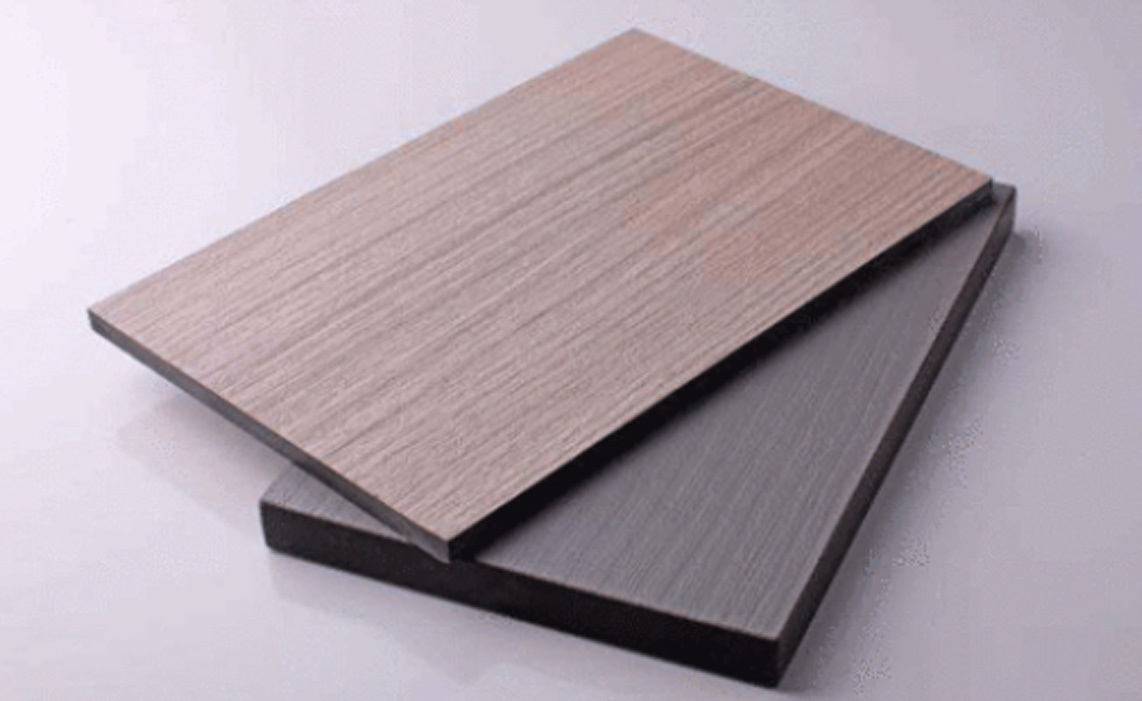
08 Jul,2026
Understanding Surface Materials: Key Considerations for Architectural and Decorative Applications
Surface materials play a crucial role in the architecture and decorative industry, influencing not only the aesthetic appeal of a space but also its functionality and durability. These materials are the finishing touch that can transform a plain structure into an inviting environment. Understanding the various types of surface materials available and their properties is essential for professionals
Read More →Contact Us
E-mail: devandecor@163.com
Add: NO.8 DONGHUAN RD,HENGLIN TOWN,WUJIN DISTRICT, CHANGZHOU ,JIANGSU,CHINA
Copyright © 2025 Changzhou Defan New Materials Co., Ltd. All rights reserved. www.300.cn SEO
Subscribe our newsletter
Welcome to leave us a message, we will reply to you as soon as possible