
Why Impregnated Paper is the Ultimate Solution for Moisture-Prone Areas
Why Impregnated Paper is the Ultimate Solution for Moisture-Prone Areas Table of Contents Introduction to Impregnated Paper What is Impregnated Paper? The Benefits of Using Impregnated Paper in Moisture-Prone Areas Moisture Resistance: How Impregnated Paper Performs Applications of Impregnated Paper in Various Industries The Environmental Impact of Impregnated Paper In
Release time:
31 May,2026
Why Impregnated Paper is the Ultimate Solution for Moisture-Prone Areas
Table of Contents
- Introduction to Impregnated Paper
- What is Impregnated Paper?
- The Benefits of Using Impregnated Paper in Moisture-Prone Areas
- Moisture Resistance: How Impregnated Paper Performs
- Applications of Impregnated Paper in Various Industries
- The Environmental Impact of Impregnated Paper
- Installation and Maintenance of Impregnated Paper
- Frequently Asked Questions
- Conclusion: The Future of Moisture Protection with Impregnated Paper
Introduction to Impregnated Paper
In today’s construction and decoration industries, the **need for materials that withstand moisture** is paramount. Moisture-prone areas, such as bathrooms, kitchens, and basements, pose ongoing challenges for traditional building materials. **Impregnated paper** has emerged as an innovative solution that combines aesthetic appeal with impressive durability. This article delves into why impregnated paper is the ideal choice for environments where moisture is a significant concern.
What is Impregnated Paper?
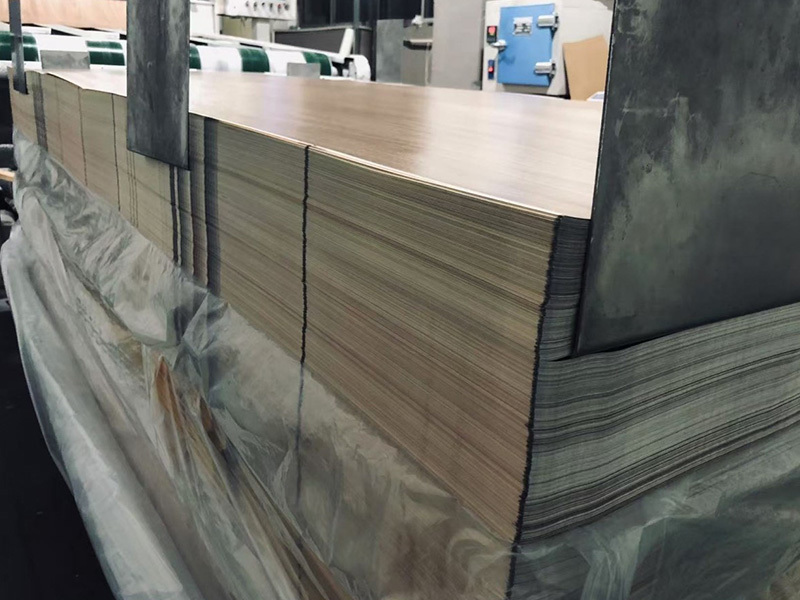
Impregnated paper is a specialized type of paper that has undergone a treatment process to enhance its **moisture resistance and durability**. It is created by soaking paper in a resin solution, which penetrates the fibers and forms a protective barrier. This process not only increases the paper’s **strength** but also makes it less susceptible to water damage, mold, and mildew.
Unlike regular paper, impregnated paper is engineered for high-performance applications, making it suitable for various **decorative and functional uses**. It can be used in wall coverings, furniture surfaces, and other design elements that require both style and practicality.
The Benefits of Using Impregnated Paper in Moisture-Prone Areas
Impregnated paper offers a multitude of advantages that make it a strong contender for use in moisture-prone environments. Here are some of the key benefits:
1. Superior Moisture Resistance
One of the **most significant benefits of impregnated paper** is its exceptional moisture resistance. The resin treatment creates a barrier that prevents water from penetrating the material, helping to avoid issues such as warping and rotting commonly associated with traditional paper products.
2. Enhanced Durability
Impregnated paper is more durable than regular paper, standing up to wear and tear better over time. Whether used in high-traffic areas or as decorative wall coverings, it maintains its integrity, ensuring that your investment lasts longer.
3. Aesthetic Versatility
Available in a wide variety of colors, textures, and finishes, impregnated paper allows for incredible design flexibility. It can mimic natural materials like wood and stone, giving designers the freedom to create beautiful spaces without compromising on performance.
4. Easy Maintenance
Cleaning impregnated paper is straightforward, as its smooth surface prevents the buildup of dirt and grime. A simple wipe with a damp cloth is often all that is needed to keep it looking fresh, making it ideal for areas prone to spills and splashes.
5. Cost-Effectiveness
When considering both the longevity and maintenance costs associated with impregnated paper, it often proves to be a more cost-effective solution in the long run compared to other materials. Its durability and ease of maintenance reduce the need for frequent replacements and repairs.
Moisture Resistance: How Impregnated Paper Performs
The effectiveness of impregnated paper in moisture-prone areas is primarily due to its **moisture-resistant properties**. The resin used during the impregnation process not only strengthens the paper but also repels moisture. This is particularly beneficial in environments where humidity levels fluctuate significantly.
Testing Moisture Resistance
To gauge the moisture resistance of impregnated paper, various tests can be conducted, including:
- **Water Absorption Test**: Measures how quickly and significantly the paper absorbs water.
- **Surface Wetting Test**: Assesses whether water beads up on the surface or soaks in.
- **Mold Growth Test**: Determines the material's resistance to mold and mildew development.
These tests confirm that impregnated paper stands up exceptionally well against moisture challenges, making it an ideal material for kitchens, bathrooms, and other damp areas.
Applications of Impregnated Paper in Various Industries
The versatility of impregnated paper extends across multiple industries, showcasing its practicality and aesthetic appeal. Here are some common applications:
1. Interior Design
Impregnated paper is frequently used for wall coverings, providing a stylish and moisture-resistant option for any room. Its ability to mimic other materials while remaining lightweight makes it a favorite among interior designers.
2. Furniture Manufacturing
In the furniture industry, impregnated paper is often utilized for surface finishes. It can provide a durable coating for tables, cabinets, and other furnishings, ensuring they withstand the rigors of daily use.
3. Construction and Renovation
Contractors use impregnated paper in construction to provide protective barriers in moisture-sensitive areas. This includes applications in basements, laundry rooms, and other locations where traditional materials may fail.
4. Arts and Crafts
Artists and crafters appreciate impregnated paper for its unique textures and finishes, allowing for creative projects that require both durability and aesthetic appeal.
The Environmental Impact of Impregnated Paper
As industries increasingly focus on sustainability, the environmental impact of materials becomes paramount. Impregnated paper can be made from **renewable resources**, and its production often utilizes eco-friendly practices. Additionally, its durability means that it does not need to be replaced as frequently as other materials, leading to less waste over time.
Recyclability
Many types of impregnated paper are recyclable, further reducing their environmental footprint. By choosing impregnated paper, consumers can enjoy high-performance materials without compromising their commitment to sustainability.
Installation and Maintenance of Impregnated Paper
Proper installation and maintenance are crucial for maximizing the benefits of impregnated paper.
1. Installation Guidelines
- **Surface Preparation**: Ensure that surfaces are clean, dry, and smooth before applying impregnated paper.
- **Adhesives**: Use appropriate adhesives recommended by manufacturers to ensure a strong bond.
- **Trimming**: Carefully trim edges for a seamless finish.
2. Maintenance Tips
- **Regular Cleaning**: Wipe down surfaces regularly with a damp cloth to prevent the buildup of dirt.
- **Avoid Harsh Chemicals**: Use mild cleaners to avoid damaging the impregnated finish.
- **Inspect for Damage**: Regularly check for signs of wear and tear and make repairs as necessary.
Frequently Asked Questions
1. Is impregnated paper waterproof?
Impregnated paper is highly moisture-resistant but not completely waterproof. It can withstand exposure to humidity and spills but should not be submerged in water.
2. Can impregnated paper be painted?
Yes, impregnated paper can be painted, but it is advisable to use paints that are compatible with the material to ensure adherence and longevity.
3. How long does impregnated paper last?
With proper care and maintenance, impregnated paper can last many years, often outperforming traditional paper products.
4. Is impregnated paper safe for indoor use?
Yes, impregnated paper is safe for indoor use, and many products are designed to meet health and safety standards.
5. What is the cost difference between impregnated paper and traditional materials?
While the initial cost of impregnated paper may be higher than traditional materials, its durability and low maintenance needs can make it more cost-effective over time.
Conclusion: The Future of Moisture Protection with Impregnated Paper
In conclusion, impregnated paper stands out as a **superior solution for moisture-prone areas**. Its combination of moisture resistance, durability, aesthetic versatility, and easy maintenance makes it an attractive choice for various applications in construction and interior design. As industries continue to prioritize sustainability, the use of impregnated paper presents an opportunity to enjoy high-performance materials while minimizing environmental impact. By embracing impregnated paper, we can create beautiful, functional, and lasting spaces that stand the test of time.
Latest Blog

13 Jul,2026
The Aesthetic Appeal of Impregnated Paper in Modern Homes: Transforming Interior Spaces
The Aesthetic Appeal of Impregnated Paper in Modern Homes Table of Contents 1. Introduction to Impregnated Paper 2. What is Impregnated Paper? 3. Benefits of Using Impregnated Paper in Home Design 4. Design Applications of Impregnated Paper 4.1 Wall Coverings 4.2 Furniture Design 4.3 Decorative Accessories 5. Ecological Con
Read More →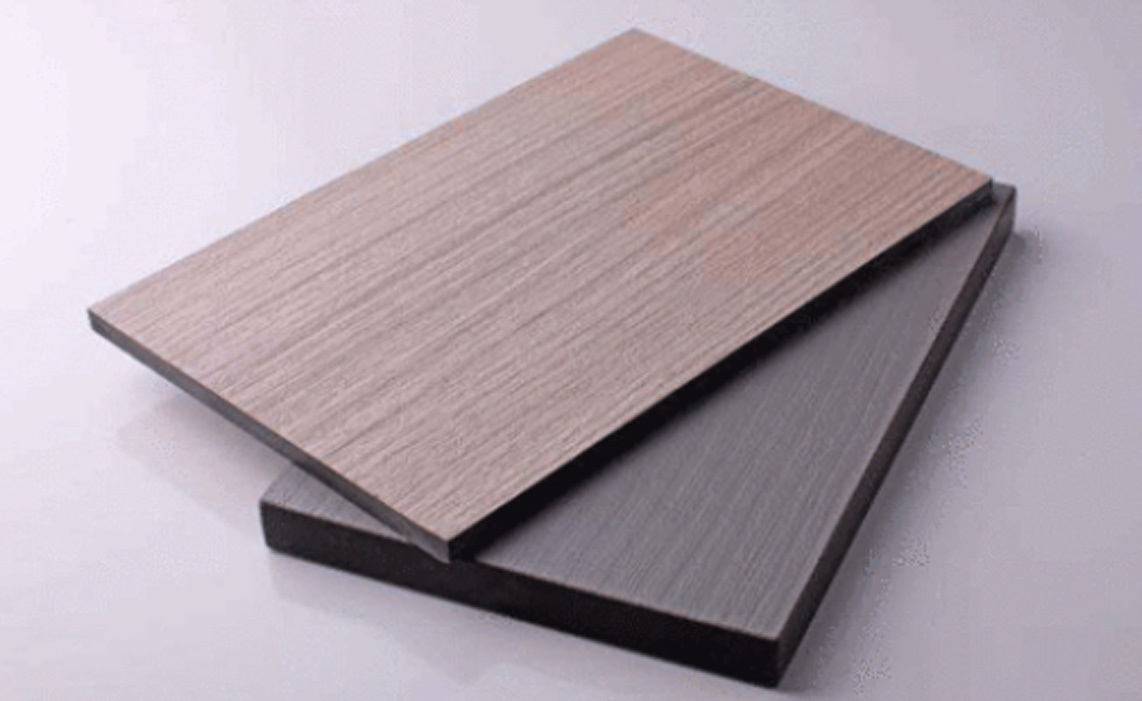
08 Jul,2026
Understanding Surface Materials: Key Considerations for Architectural and Decorative Applications
Surface materials play a crucial role in the architecture and decorative industry, influencing not only the aesthetic appeal of a space but also its functionality and durability. These materials are the finishing touch that can transform a plain structure into an inviting environment. Understanding the various types of surface materials available and their properties is essential for professionals
Read More →Contact Us
E-mail: devandecor@163.com
Add: NO.8 DONGHUAN RD,HENGLIN TOWN,WUJIN DISTRICT, CHANGZHOU ,JIANGSU,CHINA
Copyright © 2025 Changzhou Defan New Materials Co., Ltd. All rights reserved. www.300.cn SEO
Subscribe our newsletter
Welcome to leave us a message, we will reply to you as soon as possible