
Understanding PVC Edge Banding: A Comprehensive Guide for Professionals in Construction and Interior Design
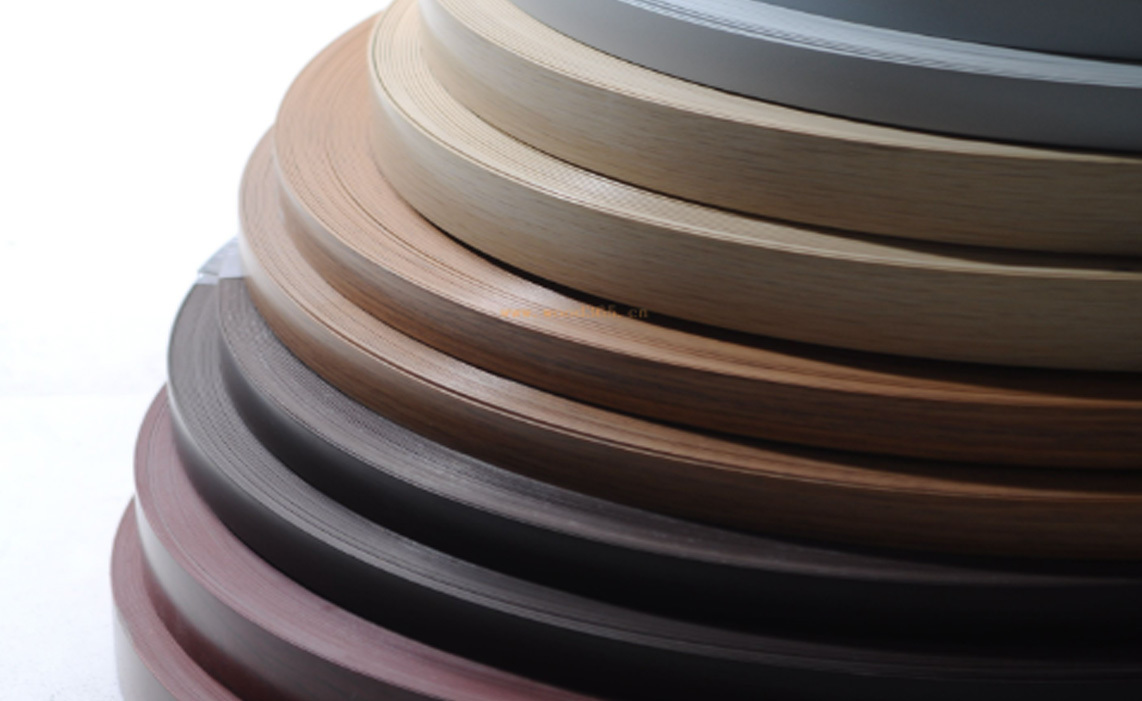
PVC edge banding refers to a thin strip of polyvinyl chloride that is applied to the exposed edges of materials such as plywood, particleboard, or MDF (medium-density fiberboard). This finish is commonly used in furniture production and cabinetry, as it effectively conceals raw edges, enhancing the overall appearance of the piece while also offering various protective qualities. One of the primary
Release time:
07 Jun,2026
One of the primary benefits of PVC edge banding is its durability. It is resistant to moisture, scratches, and impacts, which is essential for maintaining the integrity of furniture and cabinetry in environments that experience heavy use. Moreover, PVC edge banding is available in various colors, textures, and finishes, making it easy to match or complement the design of any space. This versatility allows designers to create cohesive interiors without compromising on quality or style.
In addition to aesthetic and protective qualities, PVC edge banding is also an environmentally friendly choice. Many manufacturers produce PVC edge banding using recycled materials, and it can be fully recyclable itself. This aligns with the increasing demand for sustainable materials in the construction and design industries, making it an attractive option for eco-conscious businesses and clients.
Application of PVC edge banding is relatively straightforward, requiring the use of specialized adhesives or heat-activated methods. Professionals in the field can apply it with precision, ensuring that edges are sealed properly to prevent moisture infiltration—extending the lifespan of the materials used in construction or furniture making. Additionally, the ease of installation allows for quick turnaround times on projects, enhancing productivity and efficiency.
Maintaining furniture and cabinetry with PVC edge banding is also simple. Regular cleaning with mild detergents is usually sufficient to keep it looking pristine, while its resistance to stains ensures that it remains attractive over time. This low-maintenance aspect is particularly appealing to businesses and homeowners looking for long-lasting solutions.
In summary, PVC edge banding stands out as a vital material in the construction and decorative sectors, providing a blend of durability, aesthetic flexibility, and eco-friendly attributes. Professionals in the industry can leverage the benefits of PVC edge banding to enhance their projects, ensuring that the final products are not only visually appealing but also functional and sustainable. By understanding its properties and applications, you can make more informed choices that align with your design vision and project requirements.
Latest Blog

18 Jul,2026
Exploring the Benefits of PVC Edge Banding Strips for Panel Finishing
PVC edge banding strips are an essential component in the building and decorative materials industry, particularly in the realm of panel finishing. These strips are designed to cover the raw edges of panels, such as particleboard, MDF, or plywood, providing a clean, polished look while also safeguarding the edges from damage and moisture. The benefits of incorporating PVC edge banding strips into
Read More →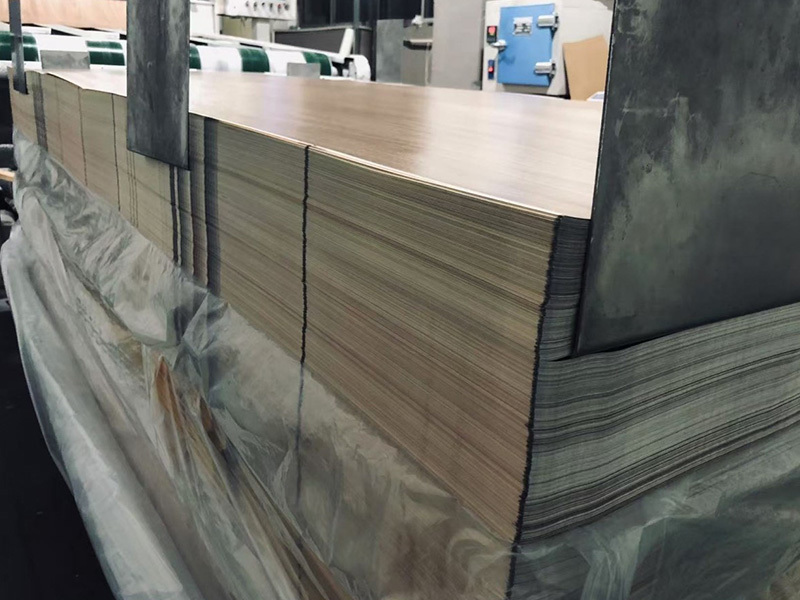
13 Jul,2026
The Aesthetic Appeal of Impregnated Paper in Modern Homes: Transforming Interior Spaces
The Aesthetic Appeal of Impregnated Paper in Modern Homes Table of Contents 1. Introduction to Impregnated Paper 2. What is Impregnated Paper? 3. Benefits of Using Impregnated Paper in Home Design 4. Design Applications of Impregnated Paper 4.1 Wall Coverings 4.2 Furniture Design 4.3 Decorative Accessories 5. Ecological Con
Read More →Contact Us
E-mail: devandecor@163.com
Add: NO.8 DONGHUAN RD,HENGLIN TOWN,WUJIN DISTRICT, CHANGZHOU ,JIANGSU,CHINA
Copyright © 2025 Changzhou Defan New Materials Co., Ltd. All rights reserved. www.300.cn SEO
Subscribe our newsletter
Welcome to leave us a message, we will reply to you as soon as possible