
Essential Tips for Maintaining and Caring for Your Surface Materials
Essential Tips for Maintaining and Caring for Your Surface Materials Table of Contents Understanding Surface Materials The Importance of Maintenance General Maintenance Tips for Surface Materials Caring for Specific Surface Materials Caring for Wood Surfaces Caring for Stone and Granite Surfaces Caring for Marble Surfaces Caring for Ceramic
Release time:
12 Jun,2026
Essential Tips for Maintaining and Caring for Your Surface Materials
Table of Contents
- Understanding Surface Materials
- The Importance of Maintenance
- General Maintenance Tips for Surface Materials
- Caring for Specific Surface Materials
- Caring for Wood Surfaces
- Caring for Stone and Granite Surfaces
- Caring for Marble Surfaces
- Caring for Ceramic and Porcelain Surfaces
- Effective Cleaning Techniques
- Protective Measures for Longevity
- Common Maintenance Mistakes to Avoid
- Frequently Asked Questions (FAQs)
- Conclusion
Understanding Surface Materials
Surface materials play a vital role in the aesthetics and functionality of any space, whether residential or commercial. They encompass a wide range of materials, including wood, stone, marble, ceramic, and porcelain. Each type has unique characteristics and requires specific care and maintenance practices to ensure durability and a pristine appearance. Understanding these materials is the first step toward effective maintenance.
The Importance of Maintenance
Regular maintenance is critical for preserving the beauty and integrity of your surface materials. Proper care not only enhances the lifespan of these materials but also prevents costly replacements and repairs in the long run. By investing time and effort into maintenance, you can maintain the value of your property and ensure that your surfaces remain both functional and visually appealing.
General Maintenance Tips for Surface Materials
Regardless of the material, there are several general maintenance tips that apply to all surface types. Here are some essential practices to incorporate into your routine:
1. Regular Cleaning
Keeping surfaces clean is paramount. Dust and dirt can cause scratches and dullness over time. Use a soft cloth or a microfiber duster to remove debris regularly.
2. Use Appropriate Cleaners
Always choose cleaning products that are suitable for your specific surface type. Harsh chemicals can damage surfaces, so look for pH-neutral or natural cleaning solutions.
3. Avoid Excessive Water
While water is often necessary for cleaning, excessive moisture can harm certain materials. Be cautious with water exposure, especially on wood and stone surfaces.
4. Perform Spot Checks
Regularly inspect your surfaces for stains, scratches, or damage. Addressing issues promptly can prevent them from worsening.
Caring for Specific Surface Materials
Different surface materials require tailored care strategies. Below are some specific tips for maintaining various surface types.
Caring for Wood Surfaces
Wood surfaces are both beautiful and versatile but require diligent care to maintain their luster.
1. Dust Regularly
Use a soft, lint-free cloth to dust wooden surfaces weekly. This prevents dirt buildup and maintains their shine.
2. Use Wood-Safe Cleaners
Opt for cleaners specifically designed for wood. Avoid ammonia-based products that can strip the finish.
3. Condition Periodically
Applying a wood conditioner every few months can help preserve the finish and prevent drying.
Caring for Stone and Granite Surfaces
Stone and granite surfaces add elegance but require specific cleaning and maintenance routines.
1. Clean with Mild Detergents
Use a mild dish soap mixed with warm water for regular cleaning. Avoid acidic cleaners that can etch the surface.
2. Seal Regularly
Seal granite surfaces annually to protect against stains. Follow the manufacturer’s instructions for application.
3. Wipe Up Spills Immediately
Promptly wiping up spills, especially acidic substances like juice and vinegar, prevents staining.
Caring for Marble Surfaces
Marble surfaces are stunning but require special consideration to avoid damage.
1. Use Soft Cloths
Always clean marble with soft cloths to prevent scratches. Avoid abrasive sponges and cleaners.
2. Avoid Harsh Chemicals
Steer clear of vinegar, lemon, and bleach. These substances can dull the finish and cause discoloration.
3. Apply a Marble Polish
Regularly polishing marble with a recommended product can help restore its shine and protect against wear.
Caring for Ceramic and Porcelain Surfaces
Ceramic and porcelain are relatively low-maintenance but still benefit from proper care.
1. Sweep or Vacuum Frequently
Remove dirt and debris with a broom or vacuum to prevent scratching the surface.
2. Mop with Mild Cleaners
Use a mop with warm water and a gentle cleaner to maintain cleanliness without damaging the finish.
3. Grout Care
Regularly clean grout lines to prevent discoloration and mold buildup.
Effective Cleaning Techniques
While regular cleaning is essential, the techniques used can maximize results.
1. Dry Dusting
For sensitive surfaces, start with dry dusting to remove loose particles without introducing moisture.
2. Damp Cleaning
Use a slightly damp cloth for more stubborn dirt. Avoid soaking the surface, particularly with wood and stone.
3. Deep Cleaning
Schedule deep cleaning sessions for surfaces periodically. This can involve steam cleaning for carpets or professional services for extensive grouting.
Protective Measures for Longevity
Taking preventive measures can significantly extend the life of your surface materials.
1. Use Coasters and Mats
Prevent damage from spills and heat by using coasters under drinks and mats in high-traffic areas.
2. Furniture Pads
Place felt pads under furniture legs to avoid scratches and dents on your surfaces.
3. Avoid Direct Sunlight
Prolonged exposure to sunlight can fade and damage certain materials. Use curtains or window films to mitigate this effect.
Common Maintenance Mistakes to Avoid
Awareness of common pitfalls can help you maintain your surfaces more effectively.
1. Ignoring Manufacturer Guidelines
Always refer to the manufacturer’s care instructions before cleaning. Ignoring these can lead to irreversible damage.
2. Overlooking Routine Maintenance
Neglecting regular upkeep can result in costly repairs down the line. Set a maintenance schedule to keep surfaces in top shape.
3. Using the Wrong Tools
Avoid using steel wool, abrasive scrubbers, or harsh chemicals that can cause scratches, dull finishes, or discoloration.
Frequently Asked Questions (FAQs)
1. How often should I clean my surface materials?
Regular cleaning schedules depend on usage but aim for weekly dusting and monthly deep cleaning.
2. Can I use vinegar to clean all surfaces?
No, avoid using vinegar on sensitive materials like marble and granite, as it can cause etching.
3. What is the best way to remove stains from wood?
Use a gentle wood cleaner and a soft cloth for most stains. For tougher spots, consider using a wood stain remover.
4. How do I maintain the shine of my stone surfaces?
Regular sealing and polishing with appropriate products will help maintain the shine of stone surfaces.
5. Is it necessary to seal ceramic tiles?
Sealing grout lines in ceramic tiles is recommended to prevent staining and moisture absorption.
Conclusion
Caring for your surface materials is an investment in their longevity and appearance. By incorporating regular cleaning routines, using appropriate cleaning products, and implementing protective measures, you can ensure that your surfaces remain beautiful and functional for years to come. Understanding the specific needs of each material will empower you to make informed decisions and maintain the integrity of your investment. Adopting these tips will not only enhance the aesthetic of your space but will ultimately save you time and money in the long run.
Latest Blog

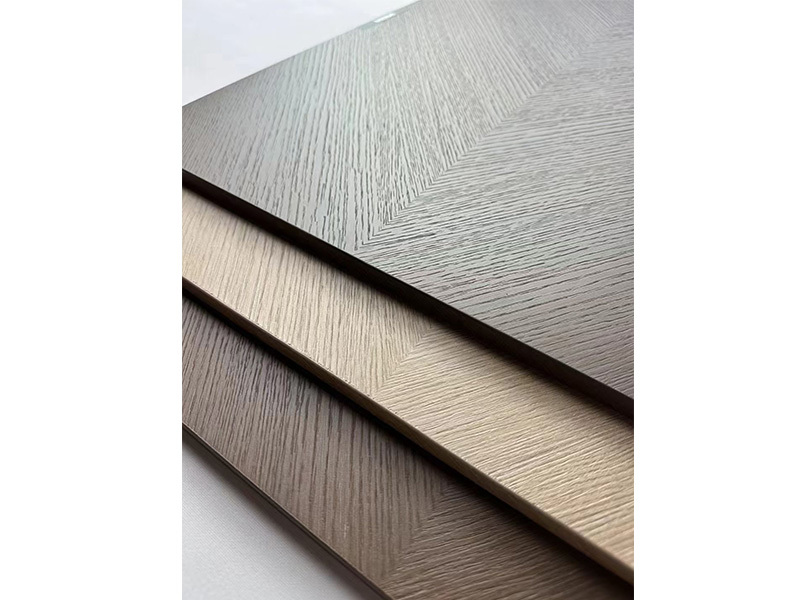
23 Jul,2026
The Top Laminated Board Finishes for a Stunning Look
The Top Laminated Board Finishes for a Stunning Look Introduction to Laminated Board Finishes In today's fast-paced world, creating visually appealing interiors is essential for both residential and commercial spaces. **Laminated boards** offer a versatile and cost-effective solution for achieving stunning aesthetics while ensuring durability. These boards are engineered with a decorative surfac
Read More →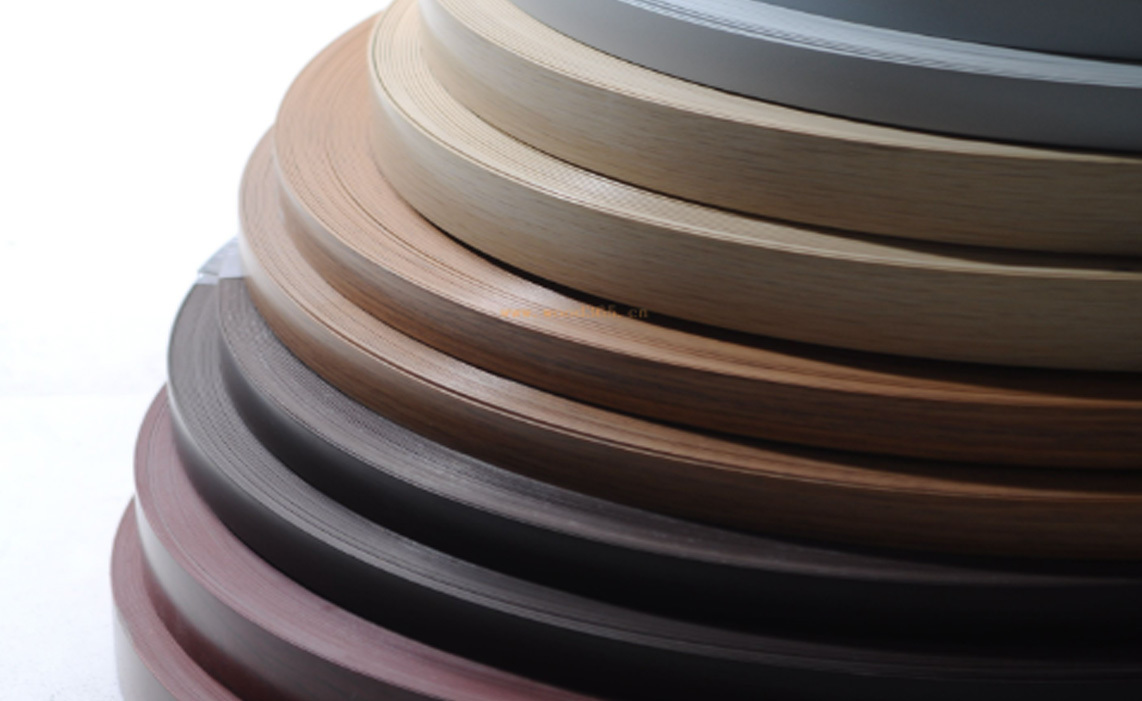
18 Jul,2026
Exploring the Benefits of PVC Edge Banding Strips for Panel Finishing
PVC edge banding strips are an essential component in the building and decorative materials industry, particularly in the realm of panel finishing. These strips are designed to cover the raw edges of panels, such as particleboard, MDF, or plywood, providing a clean, polished look while also safeguarding the edges from damage and moisture. The benefits of incorporating PVC edge banding strips into
Read More →Contact Us
E-mail: devandecor@163.com
Add: NO.8 DONGHUAN RD,HENGLIN TOWN,WUJIN DISTRICT, CHANGZHOU ,JIANGSU,CHINA
Copyright © 2025 Changzhou Defan New Materials Co., Ltd. All rights reserved. www.300.cn SEO
Subscribe our newsletter
Welcome to leave us a message, we will reply to you as soon as possible