
Versatile Engineered Material for Enhanced Strength and Protection
Impregnated paper offers enhanced strength, moisture resistance, and durability for insulation, laminates, and packaging.
Release time:
03 Mar,2026
Impregnated paper is a specially treated paper product that has been saturated or coated with resins, chemicals, or other functional agents to improve its mechanical, electrical, and environmental properties. Through controlled impregnation processes, ordinary base paper is transformed into a high-performance material suitable for demanding industrial and commercial applications. Depending on the type of impregnant used, the paper can gain enhanced strength, moisture resistance, insulation capability, flame retardancy, or chemical resistance.
The manufacturing process typically begins with selecting high-quality cellulose base paper that offers uniform fiber distribution and stable thickness. The paper is then passed through a resin bath or coating system, where it absorbs a precisely formulated solution such as phenolic resin, melamine resin, epoxy resin, silicone compounds, or bitumen. After impregnation, the material is dried and cured under controlled temperature and pressure conditions to ensure consistent penetration and bonding of the treatment agents within the fiber structure.
One of the primary advantages of impregnated paper is its improved mechanical strength. The resin reinforcement significantly enhances tensile strength, tear resistance, and dimensional stability. This makes it ideal for use in laminates, decorative panels, electrical insulation systems, and industrial packaging materials. In laminate manufacturing, impregnated paper is commonly used as decorative surface paper or core layers in high-pressure laminate (HPL) and low-pressure laminate (LPL) products.
Moisture resistance is another key benefit. Untreated paper can easily absorb water and lose structural integrity, but impregnated variants provide better resistance to humidity and environmental exposure. This feature makes them suitable for furniture surfaces, flooring substrates, and construction materials that require long-term durability in varying conditions.
Electrical insulation performance is particularly important in the power and electronics industries. When impregnated with specialized insulating resins, the paper exhibits excellent dielectric strength and thermal stability. It is widely used in transformers, motors, capacitors, and cable insulation systems. The material helps prevent electrical breakdown while maintaining reliable performance over extended operating periods.
Flame retardant formulations can also be incorporated during the impregnation process. These versions are designed to meet safety standards in construction, transportation, and electrical applications. The addition of fire-resistant chemicals improves the material’s ability to resist ignition and slow flame spread.
Chemical resistance is another advantage, depending on the resin system selected. In industrial environments where exposure to oils, solvents, or mild chemicals is common, impregnated paper can provide an added layer of protection. This versatility allows manufacturers to tailor the material’s properties to specific operational requirements.
From an environmental perspective, many manufacturers focus on using low-emission resins and sustainable raw materials. Modern production technologies aim to reduce volatile organic compound (VOC) emissions and improve energy efficiency during curing. Recyclable base papers and eco-friendly formulations are increasingly adopted to meet global environmental standards.
Customization options are extensive. Impregnated paper can be produced in different thicknesses, weights, colors, surface finishes, and resin contents. It may be supplied in rolls or sheets according to application needs. Strict quality control ensures uniform resin distribution, consistent curing, and stable physical properties.
With its combination of strength, durability, insulation capability, and adaptability, impregnated paper serves a wide range of industries including furniture manufacturing, electrical engineering, automotive production, construction, and packaging. As technology advances, continuous improvements in resin chemistry and processing techniques further expand its application potential, making it an essential engineered material for modern industrial solutions.
Latest Blog

18 Jul,2026
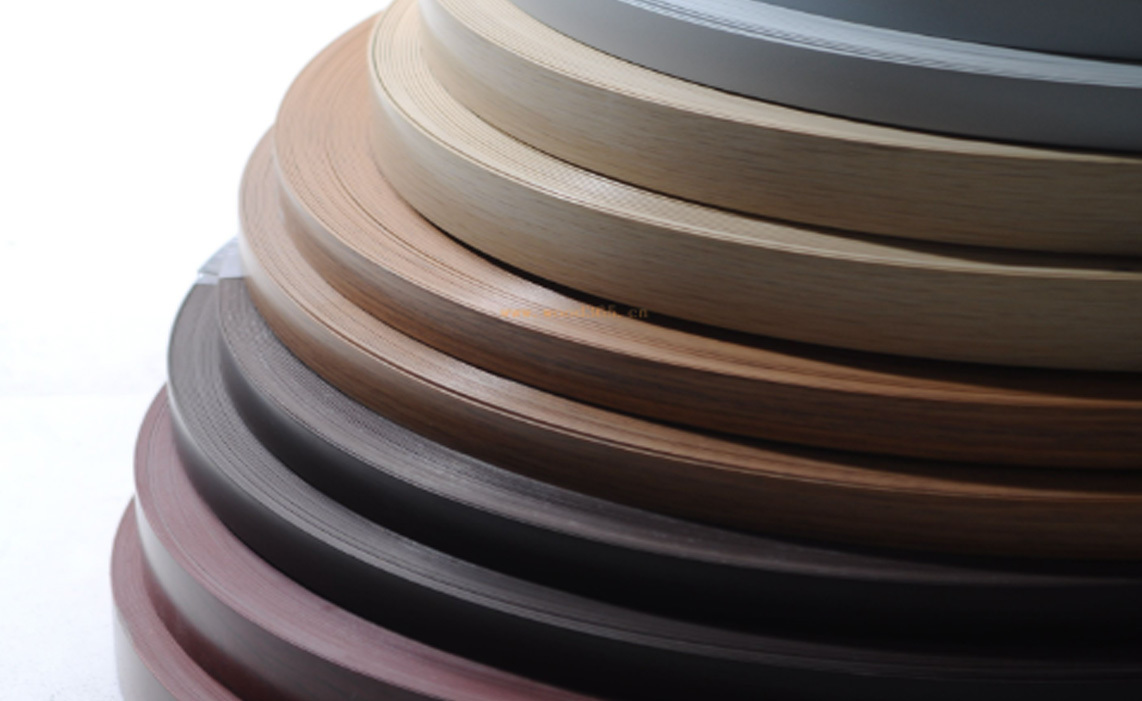
Exploring the Benefits of PVC Edge Banding Strips for Panel Finishing
PVC edge banding strips are an essential component in the building and decorative materials industry, particularly in the realm of panel finishing. These strips are designed to cover the raw edges of panels, such as particleboard, MDF, or plywood, providing a clean, polished look while also safeguarding the edges from damage and moisture. The benefits of incorporating PVC edge banding strips into
Read More →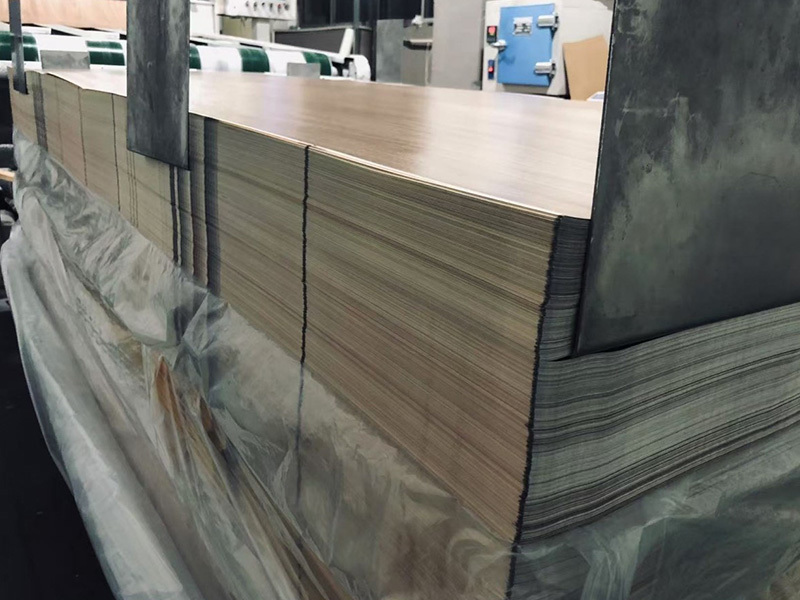
13 Jul,2026
The Aesthetic Appeal of Impregnated Paper in Modern Homes: Transforming Interior Spaces
The Aesthetic Appeal of Impregnated Paper in Modern Homes Table of Contents 1. Introduction to Impregnated Paper 2. What is Impregnated Paper? 3. Benefits of Using Impregnated Paper in Home Design 4. Design Applications of Impregnated Paper 4.1 Wall Coverings 4.2 Furniture Design 4.3 Decorative Accessories 5. Ecological Con
Read More →Contact Us
E-mail: devandecor@163.com
Add: NO.8 DONGHUAN RD,HENGLIN TOWN,WUJIN DISTRICT, CHANGZHOU ,JIANGSU,CHINA
Copyright © 2025 Changzhou Defan New Materials Co., Ltd. All rights reserved. www.300.cn SEO
Subscribe our newsletter
Welcome to leave us a message, we will reply to you as soon as possible