
Impregnated Paper for Decorative, Industrial, and Insulation Applications
Impregnated paper is paper treated with resin to enhance strength, moisture resistance, durability, and stability for industrial and decorative uses.
Release time:
06 Jan,2026
Impregnated paper is a functional material produced by saturating base paper with resins or chemical solutions to significantly enhance its mechanical strength, durability, and resistance to moisture, heat, and wear. This process transforms ordinary paper into a high-performance substrate suitable for a wide range of decorative, industrial, and technical applications. Commonly used resins include phenolic, melamine, urea-formaldehyde, epoxy, and other thermosetting systems, selected according to the desired performance characteristics.
One of the most important properties of impregnated paper is its improved strength and dimensional stability. After impregnation and curing, the resin penetrates the fiber structure, bonding the fibers together and reducing porosity. This results in a material that resists tearing, cracking, and deformation under pressure or temperature changes. Such stability is essential in applications like high-pressure laminates, furniture panels, and flooring systems, where consistent performance and long service life are required.
Impregnated paper also exhibits excellent resistance to moisture and chemicals. The resin barrier limits water absorption and protects the paper from swelling or degradation in humid environments. This makes it ideal for use in kitchen and bathroom surfaces, laboratory furniture, and industrial settings where exposure to liquids, oils, or cleaning agents is common. Certain resin systems further enhance fire resistance, electrical insulation, and thermal stability, expanding the application range of impregnated paper.
In decorative applications, impregnated paper plays a crucial role in surface finishing and design. Decor papers impregnated with melamine or similar resins are widely used as surface layers in laminated boards, countertops, wall panels, and flooring. These papers can carry printed patterns that replicate wood grain, stone, fabric, or abstract designs. During hot pressing, the impregnated paper fuses with substrates such as particleboard, MDF, or plywood, forming a hard, smooth, and visually appealing surface with excellent wear resistance.
From an industrial perspective, impregnated paper is used in electrical insulation, abrasive backings, filtration components, and packaging materials. Phenolic resin impregnated papers, for example, are commonly applied in electrical laminates, transformer insulation, and printed circuit board substrates due to their high mechanical strength and insulating properties. In abrasive products, impregnated paper provides a strong, flexible backing that withstands high stress during grinding or sanding operations.
Manufacturing impregnated paper involves precise control of resin content, viscosity, impregnation speed, drying temperature, and curing conditions. These parameters determine the final performance of the product, including flexibility, hardness, surface quality, and bonding strength. High-quality impregnated paper offers uniform resin distribution, consistent thickness, and reliable performance in downstream processing such as pressing, cutting, and bonding.
In terms of sustainability, modern impregnated paper production increasingly focuses on reducing emissions, improving resin efficiency, and using environmentally friendly formulations. Low-emission and formaldehyde-free resin systems are being developed to meet stricter environmental regulations and indoor air quality standards. Combined with the renewable nature of paper fibers, impregnated paper can be part of a more sustainable material solution when responsibly produced and recycled.
Overall, impregnated paper is a versatile and high-value material that bridges the gap between paper and engineered composites. Its enhanced physical, chemical, and decorative properties make it indispensable in furniture manufacturing, interior decoration, industrial processing, and electrical applications, providing reliable performance and design flexibility across numerous industries.
Latest Blog

03 Jul,2026
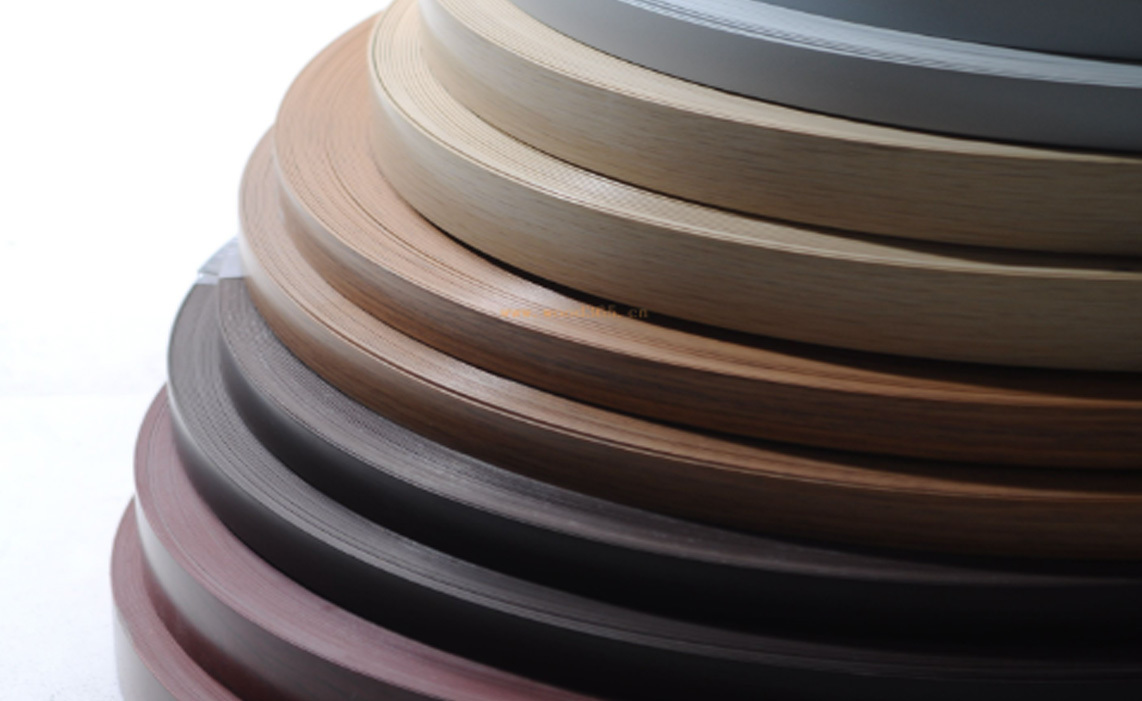
Exploring the Cost Benefits of PVC Edge Banding in Furniture Design
Exploring the Cost Benefits of PVC Edge Banding in Furniture Design Introduction to PVC Edge Banding PVC edge banding has emerged as a revolutionary material in the furniture design industry. This versatile product is predominantly used to cover the exposed edges of particle board, MDF, and plywood, giving furniture a finished look while enhancing durability. In this article, we will explore the v
Read More →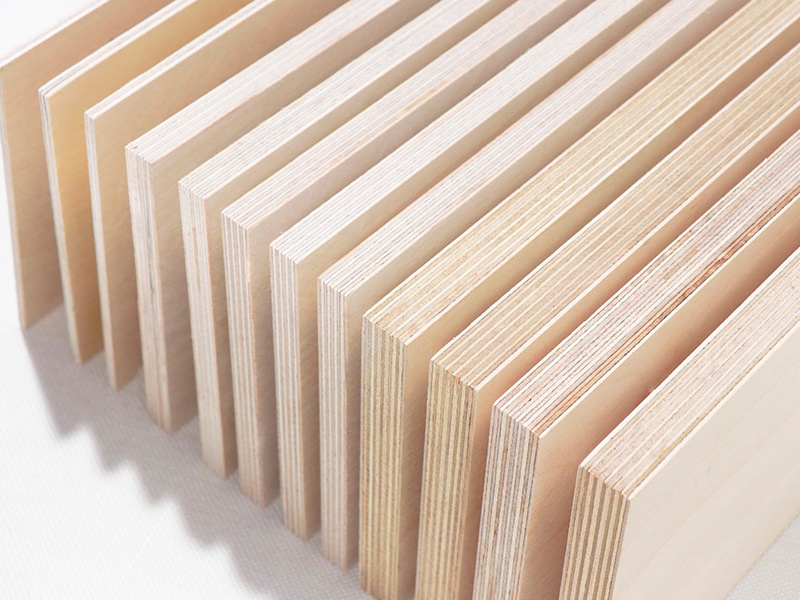
28 Jun,2026
Laminated boards are engineered wood products that play a significant role in the construction and decorative materials industry. They are created by bonding multiple layers of materials, typically wood veneers or particleboard, using adhesives under heat and pressure. This process results in a strong, stable, and durable product that offers numerous advantages over traditional solid wood. One of
Read More →Contact Us
E-mail: devandecor@163.com
Add: NO.8 DONGHUAN RD,HENGLIN TOWN,WUJIN DISTRICT, CHANGZHOU ,JIANGSU,CHINA
Copyright © 2025 Changzhou Defan New Materials Co., Ltd. All rights reserved. www.300.cn SEO
Subscribe our newsletter
Welcome to leave us a message, we will reply to you as soon as possible