
Understanding Laminated Board: A Versatile Material for Modern Architecture
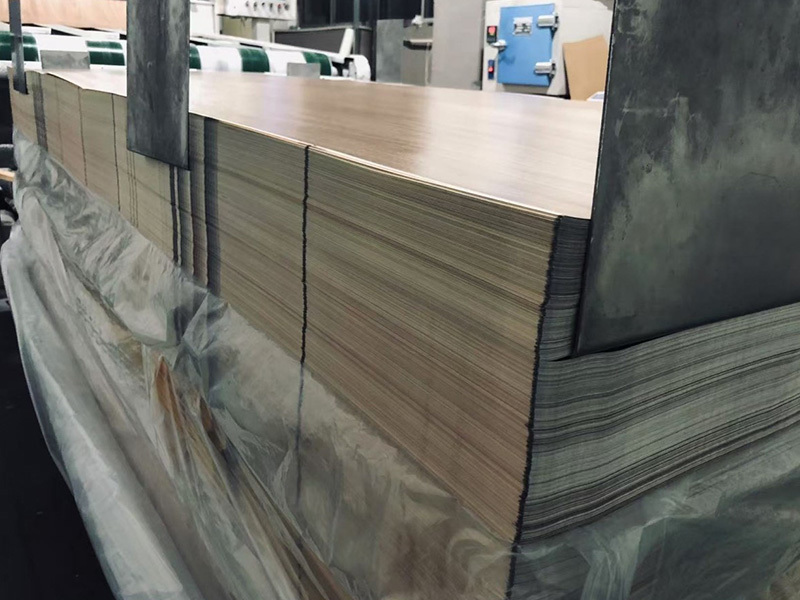
Laminated boards, often made from layers of wood or other materials glued together under heat and pressure, are renowned for their strength and stability. This engineered process results in a product that is less susceptible to warping, cracking, or splitting compared to solid wood. The unique structure of laminated boards allows them to be manufactured in various sizes and thicknesses, making the
Release time:
23 Oct,2025
One of the primary advantages of laminated boards is their aesthetic appeal. They can be produced with a variety of finishes and colors, allowing designers to achieve the desired look without compromising on performance. Furthermore, laminated boards can be engineered to mimic the appearance of solid wood, providing a cost-effective alternative while maintaining a natural aesthetic. This makes them a popular choice for furniture, cabinetry, and decorative wall panels.
In terms of applications, laminated boards are widely used in flooring, roofing, and wall systems. Their resistance to environmental factors makes them suitable for both indoor and outdoor use. In construction, laminated boards are often selected for structural elements, such as beams and columns, due to their high strength-to-weight ratio and ability to bear heavy loads. This feature not only enhances the safety of a building but also allows for more creative architectural designs, as larger spans can be achieved without the need for excessive support.
Moreover, laminated boards are considered an environmentally friendly option. The production process often utilizes fast-growing woods, and the ability to use smaller pieces of wood reduces waste. Many manufacturers also adhere to sustainable practices, ensuring that the source of the materials aligns with eco-friendly standards.
When considering laminated boards for your next project, it’s crucial to assess the specific requirements, such as load-bearing capacity, moisture resistance, and fire retardancy. These factors will guide you in selecting the right type of laminated board to meet the demands of your design and construction needs.
In conclusion, laminated boards stand out as a multi-functional material that combines strength, aesthetic versatility, and environmental responsibility. Whether for structural purposes or as a decorative element, they offer a reliable solution in modern architecture, making them a valuable addition to the building and decoration materials industry. By understanding the characteristics and uses of laminated boards, professionals can make informed decisions that enhance their projects’ quality and sustainability.
Latest Blog
10 Nov,2026
Transform Your Interior with Innovative Impregnated Paper Wall Designs
Using Impregnated Paper to Create Unique Wall Designs Table of Contents Introduction to Impregnated Paper What Is Impregnated Paper? Benefits of Using Impregnated Paper for Wall Designs Creative Applications of Impregnated Paper in Interiors Current Design Trends in Impregnated Paper How to Install Impregnated Paper on Walls Maintenance and Care for Impregnated Paper W
Read More →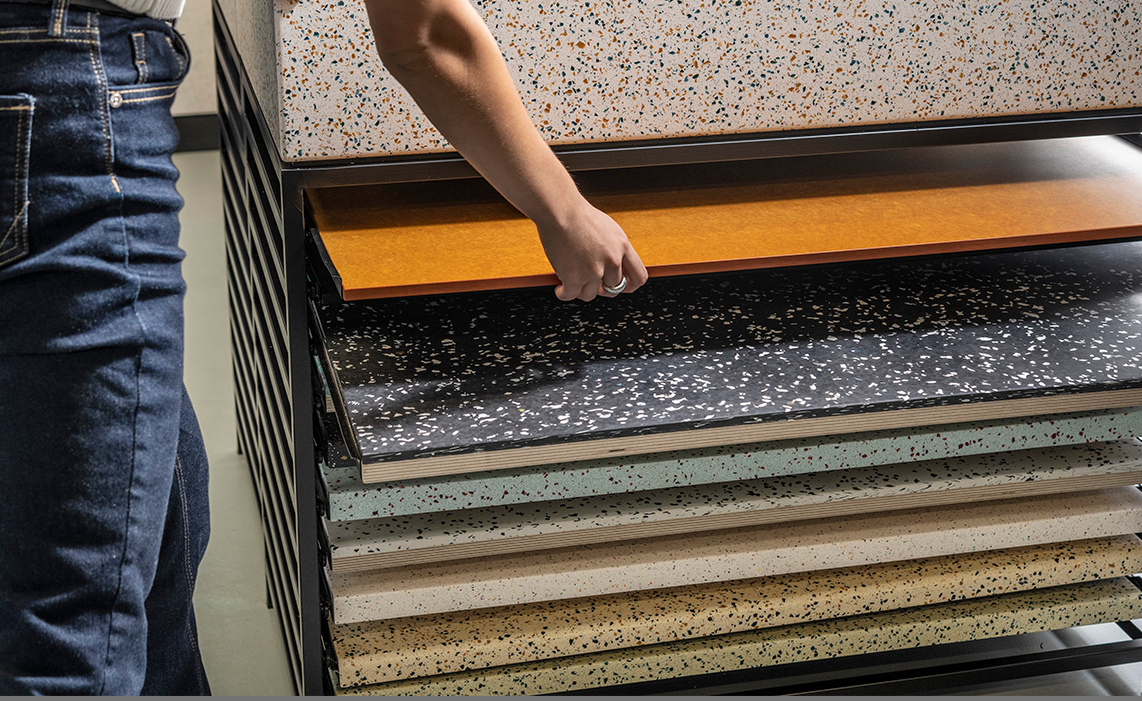
16 Oct,2026
Understanding Surface Materials in the Building and Decoration Industry
In the building and decoration industry, surface materials play a crucial role in determining the aesthetics and functionality of spaces. From residential properties to commercial establishments, the choice of surface materials can greatly influence both the look and feel of an environment. Understanding surface materials is essential for professionals seeking to make informed decisions that align
Read More →
Contact Us
E-mail: devandecor@163.com
Add: NO.8 DONGHUAN RD,HENGLIN TOWN,WUJIN DISTRICT, CHANGZHOU ,JIANGSU,CHINA
Copyright © 2025 Changzhou Defan New Materials Co., Ltd. All rights reserved. www.300.cn SEO
Subscribe our newsletter
Welcome to leave us a message, we will reply to you as soon as possible