
The Future of Laminated Boards in Eco-Friendly Construction: Innovations and Benefits
The Future of Laminated Boards in Eco-Friendly Construction Table of Contents 1. Understanding Laminated Boards 2. The Role of Laminated Boards in Sustainable Construction 3. Innovations Driving the Future of Laminated Boards 4. Environmental Benefits of Laminated Boards 5. Laminated Boards vs. Traditional Materials: A Comparison 6. Future Trends in Laminated Board Technology 7. Challenges and Con
Release time:
20 Nov,2026
The Future of Laminated Boards in Eco-Friendly Construction
Table of Contents
1. Understanding Laminated Boards
2. The Role of Laminated Boards in Sustainable Construction
3. Innovations Driving the Future of Laminated Boards
4. Environmental Benefits of Laminated Boards
5. Laminated Boards vs. Traditional Materials: A Comparison
6. Future Trends in Laminated Board Technology
7. Challenges and Considerations for Laminated Boards
8. FAQs about Laminated Boards in Eco-Friendly Construction
9. Conclusion: Embracing Laminated Boards for a Sustainable Future
1. Understanding Laminated Boards
Laminated boards are engineered wood products created by bonding together layers of thin wood veneers, particleboard, or fiberboard under high pressure and temperature. This process not only enhances the physical properties of the material but also allows for a greater variety of design options. The resulting boards are typically stronger, more stable, and resistant to warping compared to traditional solid wood.
2. The Role of Laminated Boards in Sustainable Construction
In recent years, the construction industry has increasingly focused on sustainability, and laminated boards play a crucial role in this movement. Their production utilizes less wood than traditional lumber methods, helping to conserve forests. Additionally, many manufacturers are adopting eco-friendly practices, including sourcing wood from sustainably managed forests and using non-toxic adhesives.
The Shift Towards Eco-Friendly Materials
As more builders and architects prioritize green building certifications like LEED (Leadership in Energy and Environmental Design), laminated boards are becoming a preferred choice. These materials offer a sustainable alternative that meets stringent environmental standards while providing the durability and aesthetic appeal required for modern construction.
3. Innovations Driving the Future of Laminated Boards
The laminated board market is ripe with innovative technologies that enhance their performance and sustainability. Some notable advancements include:
Advanced Adhesives
Modern adhesives are being developed with lower volatile organic compounds (VOCs), resulting in healthier indoor air quality. Manufacturers are also exploring natural adhesives derived from plant sources that offer strong bonding capabilities without the environmental impact of traditional synthetic options.
Recycled Materials
The incorporation of recycled wood and by-products into laminated boards is another significant innovation. By using reclaimed wood fibers, producers not only reduce waste but also lower the overall carbon footprint of the product.
4. Environmental Benefits of Laminated Boards
Laminated boards provide numerous environmental advantages that align with the objectives of eco-friendly construction:
Reduced Waste
The production of laminated boards generates significantly less waste than traditional lumber milling. By utilizing smaller and often discarded wood pieces, manufacturers can create high-quality materials while minimizing environmental impact.
Energy Efficiency
Laminated boards are designed to be energy-efficient, contributing to lower energy consumption in buildings. Their thermal properties can help maintain indoor temperatures, reducing reliance on heating and cooling systems.
5. Laminated Boards vs. Traditional Materials: A Comparison
When comparing laminated boards to traditional building materials, several key differences emerge:
Performance
Laminated boards are engineered for superior performance, offering enhanced strength, durability, and resistance to environmental factors. In contrast, traditional materials may lack consistency in quality and performance across different pieces.
Cost-Effectiveness
Though the initial investment in laminated boards may be higher than that of traditional materials, their longer lifespan and reduced maintenance costs often lead to greater savings over time.
6. Future Trends in Laminated Board Technology
As the construction industry evolves, several trends are expected to shape the future of laminated boards:
Smart Technologies
The integration of smart technologies into laminated boards is on the horizon. Imagine boards that monitor humidity levels or structural integrity, providing real-time data to building managers. This innovation could revolutionize building maintenance and safety protocols.
Customization and Aesthetics
With advancements in digital printing and finishing techniques, laminated boards can be customized in terms of color, texture, and design. This allows architects and designers to create unique and visually appealing spaces while maintaining sustainability.
7. Challenges and Considerations for Laminated Boards
While laminated boards offer numerous benefits, there are also challenges to consider:
Market Education
One of the significant hurdles is the need for greater awareness and education among builders, architects, and consumers regarding the benefits and applications of laminated boards.
Regulatory Compliance
Navigating the various building codes and regulations can be complex, and laminated boards must meet specific standards to be accepted in different regions. Ensuring compliance is essential for widespread adoption.
8. FAQs about Laminated Boards in Eco-Friendly Construction
1. What are laminated boards made of?
Laminated boards are typically made from layers of wood veneers, particleboard, or fiberboard that are bonded together using adhesives.
2. Are laminated boards environmentally friendly?
Yes, laminated boards can be environmentally friendly, especially when produced with sustainable practices, using recycled materials, and low-VOC adhesives.
3. How do laminated boards compare to plywood?
Laminated boards generally offer greater strength and stability than plywood, as they are engineered for performance. Additionally, they have a more uniform appearance.
4. Can laminated boards be used for structural applications?
Absolutely! Laminated boards are often used in structural applications due to their excellent strength-to-weight ratio.
5. What is the lifespan of laminated boards?
With proper care and maintenance, laminated boards can last for decades, making them a durable choice for construction.
9. Conclusion: Embracing Laminated Boards for a Sustainable Future
As we look towards the future of construction, laminated boards emerge as a powerful solution for eco-friendly building practices. Their innovative design, coupled with significant environmental benefits, makes them a superior alternative to traditional materials. By adopting laminated boards, we not only contribute to sustainable construction but also pave the way for a greener, healthier planet. The road ahead is promising, and laminated boards will undoubtedly play a vital role in shaping the future of our built environment.
Latest Blog
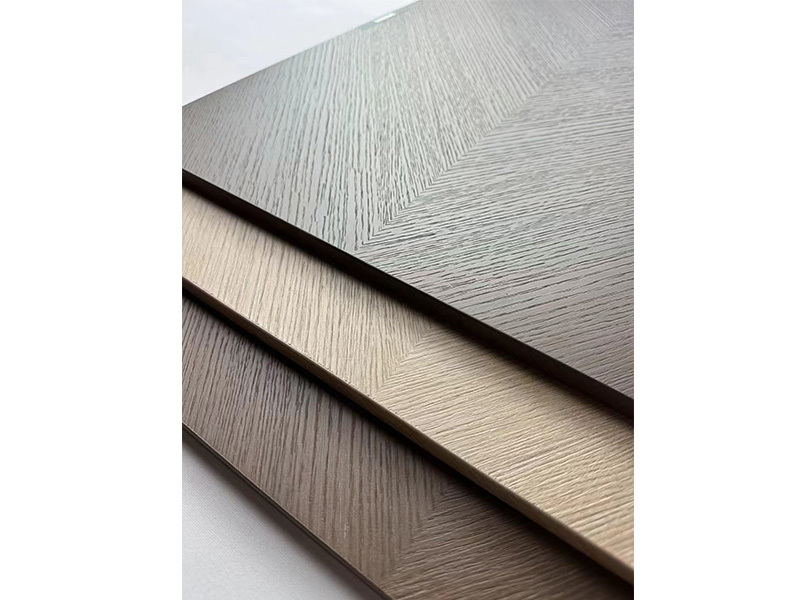
20 Nov,2026
The Future of Laminated Boards in Eco-Friendly Construction: Innovations and Benefits
The Future of Laminated Boards in Eco-Friendly Construction Table of Contents 1. Understanding Laminated Boards 2. The Role of Laminated Boards in Sustainable Construction 3. Innovations Driving the Future of Laminated Boards 4. Environmental Benefits of Laminated Boards 5. Laminated Boards vs. Traditional Materials: A Comparison 6. Future Trends in Laminated Board Technology 7. Challenges and Con
Read More →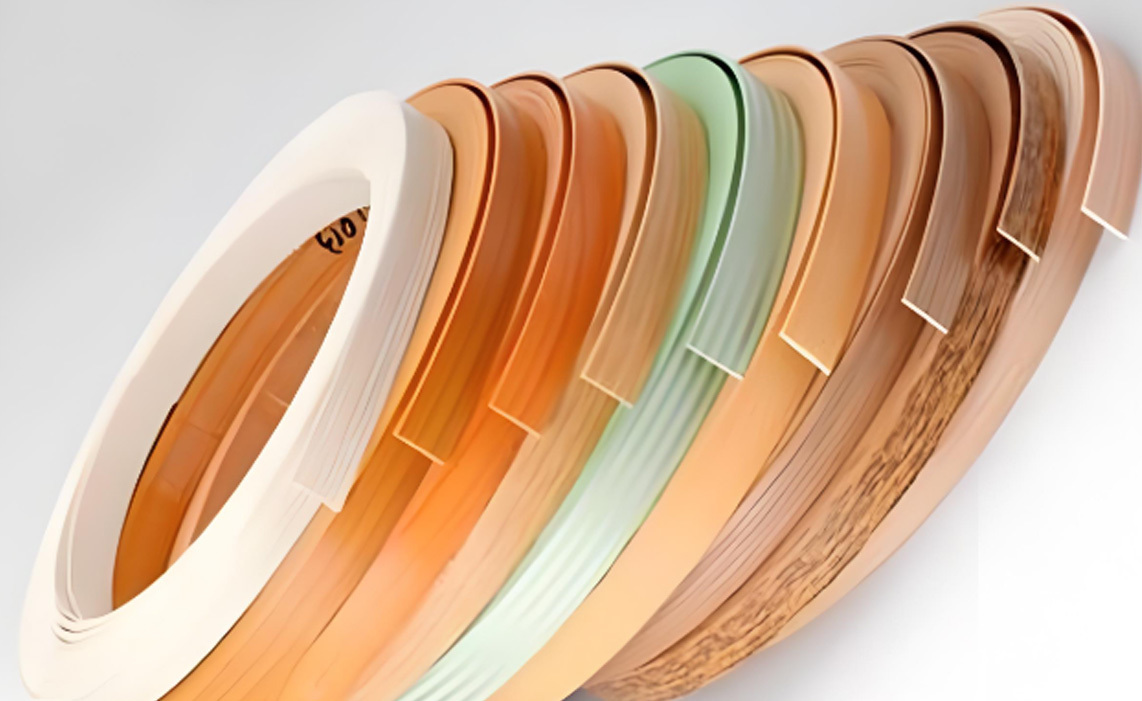
15 Nov,2026
Maximizing Aesthetic and Durability with PVC Edge Banding Strips for Panel Finishing
In the construction and decorative materials industry, the application of PVC edge banding strips for panel finishing has emerged as a pivotal element in enhancing both aesthetics and durability. These strips, typically manufactured from polyvinyl chloride (PVC), provide a seamless and visually appealing edge to various wooden panels, including MDF, particleboard, and plywood, helping to create a
Read More →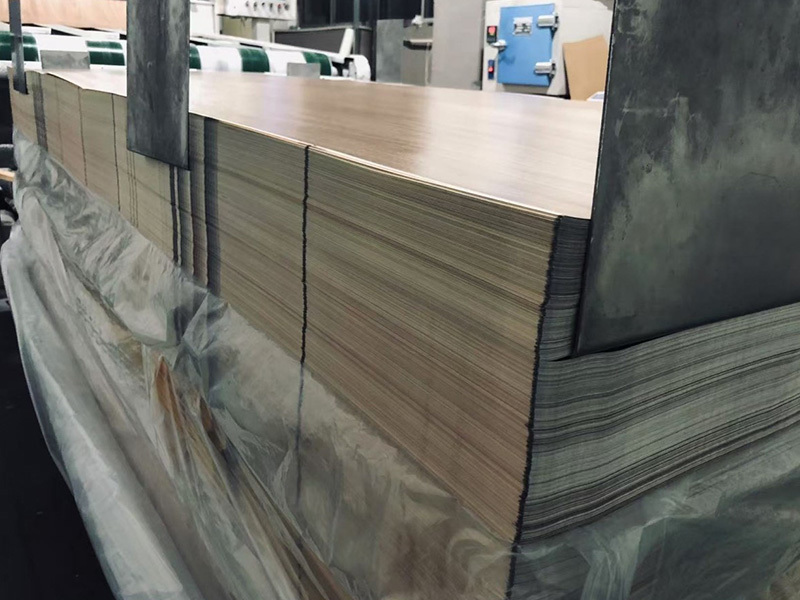
10 Nov,2026
Transform Your Interior with Innovative Impregnated Paper Wall Designs
Using Impregnated Paper to Create Unique Wall Designs Table of Contents Introduction to Impregnated Paper What Is Impregnated Paper? Benefits of Using Impregnated Paper for Wall Designs Creative Applications of Impregnated Paper in Interiors Current Design Trends in Impregnated Paper How to Install Impregnated Paper on Walls Maintenance and Care for Impregnated Paper W
Read More →Contact Us
E-mail: devandecor@163.com
Add: NO.8 DONGHUAN RD,HENGLIN TOWN,WUJIN DISTRICT, CHANGZHOU ,JIANGSU,CHINA
Copyright © 2025 Changzhou Defan New Materials Co., Ltd. All rights reserved. www.300.cn SEO
Subscribe our newsletter
Welcome to leave us a message, we will reply to you as soon as possible