
The Science Behind Impregnated Paper: How It Works
The Science Behind Impregnated Paper: How It Works Introduction to Impregnated Paper Impregnated paper has become an essential element in various industries, particularly in construction and decorative applications. This innovative material is created through a process that enhances the characteristics of standard paper, resulting in a product that is both functional and versatile. Understanding
Release time:
05 Nov,2025
The Science Behind Impregnated Paper: How It Works
Introduction to Impregnated Paper
Impregnated paper has become an essential element in various industries, particularly in construction and decorative applications. This innovative material is created through a process that enhances the characteristics of standard paper, resulting in a product that is both functional and versatile. Understanding the science behind impregnated paper not only highlights its significance but also provides insights into its myriad applications.
What is Impregnated Paper?
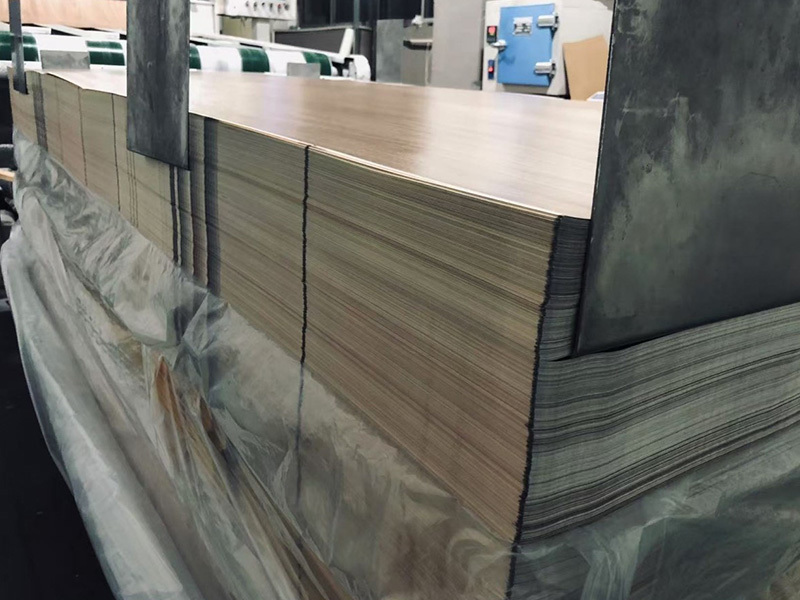
Impregnated paper is a type of paper that has been treated with a resin or other chemical substances to enhance its properties. This treatment process makes the paper more durable, moisture-resistant, and aesthetically appealing. The applications of impregnated paper range from decorative laminates used in furniture and cabinetry to protective layers in construction materials.
The Composition of Impregnated Paper
To appreciate the science behind impregnated paper, it is crucial to understand its components:
Base Material
The foundation of impregnated paper typically starts with high-quality cellulose-based paper. This base material is selected for its strength and absorbency, which allow it to effectively bond with the impregnating agents.
Impregnating Agents
The primary substances used in the impregnation process are resins, such as phenolic, melamine, or epoxy resins. These resins provide enhanced durability, resistance to heat, chemicals, and moisture, transforming the paper into a robust material suitable for diverse applications.
The Impregnation Process Explained
The production of impregnated paper involves several meticulously controlled steps that ensure optimal results:
Preparation of the Paper
The process begins with selecting the appropriate paper and preparing it to maximize absorption. This may involve cutting the paper into the desired size and ensuring it is free of impurities.
Application of the Impregnating Solution
The next step involves immersing the paper in a solution of resin and solvent. This can be achieved through several methods, including roll coating or dip coating, ensuring that the resin completely saturates the paper.
Drying and Curing
After impregnation, the paper is subjected to a drying process. This step is critical, as it allows the solvent to evaporate and the resin to cure, creating a solid bond that enhances the paper's structural integrity and performance.
Key Properties of Impregnated Paper
Impregnated paper boasts several key properties that contribute to its popularity in various applications:
Durability
One of the standout characteristics of impregnated paper is its impressive durability. The impregnation process fortifies the paper against wear and tear, making it suitable for high-traffic areas in both residential and commercial settings.
Moisture Resistance
The resin treatment provides moisture resistance, preventing the paper from warping or degrading when exposed to humidity. This quality is particularly advantageous in environments such as kitchens and bathrooms.
Fire Resistance
Certain impregnated papers are treated with fire-retardant agents, enhancing their safety in construction applications. This property is vital for adherence to building codes and regulations.
Aesthetic Versatility
Impregnated paper can be printed, coated, or embossed, allowing for a wide range of design possibilities. This versatility makes it an ideal choice for decorative surfaces in furniture, cabinetry, and wall coverings.
Applications of Impregnated Paper
The versatility of impregnated paper makes it suitable for various applications across different industries:
1. Decorative Laminates
Impregnated paper is commonly used as a decorative laminate in furniture and cabinetry. The paper is printed with attractive designs and then sealed with a protective layer of resin, resulting in a durable and visually appealing surface.
2. Wall Coverings
In interior design, impregnated paper serves as an excellent material for wall coverings. Its aesthetic appeal, along with moisture and stain resistance, makes it a favorite choice for commercial and residential spaces.
3. Construction Materials
In the construction industry, impregnated paper is utilized in various applications, including insulation and sheathing. Its moisture resistance and durability help protect structures from environmental factors.
4. Packaging Solutions
Impregnated paper is also employed in packaging solutions, particularly in the food industry. Its barrier properties help preserve the freshness of products while providing a lightweight and eco-friendly option.
5. Crafts and Arts
Artists and crafters often utilize impregnated paper for its versatility. Its ability to hold color and resist tearing makes it an excellent choice for various artistic projects.
Advantages of Using Impregnated Paper
Using impregnated paper brings several advantages that contribute to its widespread adoption:
1. Enhanced Performance
The impregnation process significantly enhances the performance of standard paper, providing properties that make it suitable for demanding applications.
2. Cost-Effectiveness
Improvements in durability and resistance properties often translate into lower maintenance costs and increased longevity, making impregnated paper a cost-effective choice for businesses.
3. Eco-Friendly Options
Many manufacturers are now producing impregnated paper from sustainable sources, contributing to environmentally friendly practices. This eco-conscious approach appeals to consumers who prioritize sustainability.
4. Customizability
The ability to customize impregnated paper in terms of design, texture, and color opens up endless possibilities for designers and manufacturers.
Challenges and Considerations
Despite its numerous advantages, there are challenges associated with impregnated paper that need consideration:
1. Environmental Concerns
While many manufacturers are adopting eco-friendly practices, the use of certain resins can pose environmental concerns. It is essential to select products that adhere to sustainability standards.
2. Temperature Sensitivity
Some impregnated papers may become less stable at extreme temperatures, which can affect their performance in specific applications.
Future Trends in Impregnated Paper Technology
As technology evolves, so too does the production of impregnated paper:
1. Sustainable Innovations
The future of impregnated paper lies in sustainable innovations, with manufacturers increasingly focused on developing biodegradable and recyclable options.
2. Advanced Coatings
Research into advanced coatings will likely enhance the properties of impregnated paper, further increasing its resistance to environmental factors and improving its aesthetic appeal.
3. Digital Printing Technology
The integration of digital printing technology may allow for greater customization and quicker production times, making impregnated paper even more appealing to businesses.
Frequently Asked Questions (FAQs)
1. What is the primary purpose of impregnated paper?
Impregnated paper is primarily used to enhance the durability, moisture resistance, and aesthetic appeal of standard paper, making it suitable for a wide range of applications.
2. Is impregnated paper eco-friendly?
Many manufacturers offer impregnated paper made from sustainable sources and eco-friendly resins. It is essential to check the product specifications for environmental certifications.
3. Can impregnated paper be recycled?
Recycling options for impregnated paper can vary based on the type of resins used. Always check local recycling guidelines for proper disposal.
4. How does the impregnation process affect the paper's texture?
The impregnation process can alter the texture of the paper, allowing for smoother finishes or embossed designs, depending on the intended application.
5. What industries commonly use impregnated paper?
Impregnated paper is widely used in the furniture, construction, packaging, and arts industries, among others, due to its versatile properties.
Conclusion
The science behind impregnated paper showcases a remarkable intersection of technology and creativity. Its unique properties and diverse applications make it a cornerstone material in various industries, from construction to decorative arts. As we continue to innovate and prioritize sustainability, the future of impregnated paper appears promising, paving the way for enhanced performance and eco-friendly solutions. Understanding the mechanisms behind this versatile material not only highlights its importance but also encourages thoughtful consideration of its applications in our lives.
Latest Blog
10 Nov,2026
Transform Your Interior with Innovative Impregnated Paper Wall Designs
Using Impregnated Paper to Create Unique Wall Designs Table of Contents Introduction to Impregnated Paper What Is Impregnated Paper? Benefits of Using Impregnated Paper for Wall Designs Creative Applications of Impregnated Paper in Interiors Current Design Trends in Impregnated Paper How to Install Impregnated Paper on Walls Maintenance and Care for Impregnated Paper W
Read More →
16 Oct,2026
Understanding Surface Materials in the Building and Decoration Industry
In the building and decoration industry, surface materials play a crucial role in determining the aesthetics and functionality of spaces. From residential properties to commercial establishments, the choice of surface materials can greatly influence both the look and feel of an environment. Understanding surface materials is essential for professionals seeking to make informed decisions that align
Read More →
Contact Us
E-mail: devandecor@163.com
Add: NO.8 DONGHUAN RD,HENGLIN TOWN,WUJIN DISTRICT, CHANGZHOU ,JIANGSU,CHINA
Copyright © 2025 Changzhou Defan New Materials Co., Ltd. All rights reserved. www.300.cn SEO
Subscribe our newsletter
Welcome to leave us a message, we will reply to you as soon as possible