
Understanding the Manufacturing Process of High-Quality Laminated Boards: A Comprehensive Guide
Understanding the Manufacturing Process of High-Quality Laminated Boards Table of Contents 1. Introduction to Laminated Boards 2. Raw Materials Used in Laminated Boards 3. The Manufacturing Process of Laminated Boards 3.1 Step 1: Preparation of Raw Materials 3.2 Step 2: Adhesive Application 3.3 Step 3: Layering Techniques 3.4 Step 4: Pressing a
Release time:
17 Nov,2025
Understanding the Manufacturing Process of High-Quality Laminated Boards
Table of Contents
- 1. Introduction to Laminated Boards
- 2. Raw Materials Used in Laminated Boards
- 3. The Manufacturing Process of Laminated Boards
- 3.1 Step 1: Preparation of Raw Materials
- 3.2 Step 2: Adhesive Application
- 3.3 Step 3: Layering Techniques
- 3.4 Step 4: Pressing and Curing
- 3.5 Step 5: Trimming and Finishing
- 4. Quality Control Measures in Laminated Board Production
- 5. Applications of High-Quality Laminated Boards
- 6. Environmental Considerations in Laminated Board Manufacturing
- 7. Future Trends in Laminated Board Production
- 8. Conclusion
- 9. Frequently Asked Questions (FAQs)
1. Introduction to Laminated Boards
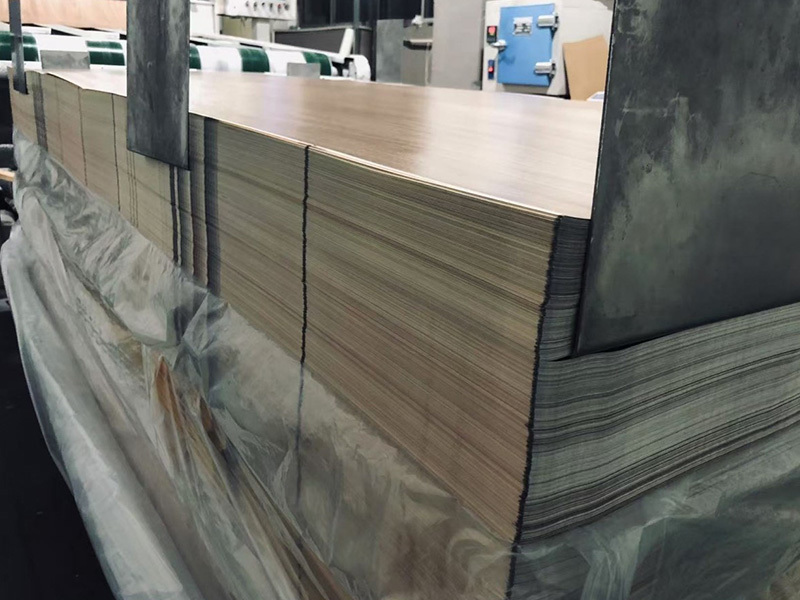
Laminated boards are highly versatile materials widely used in construction, furniture making, and interior design. These boards are crafted by bonding together multiple layers of wood or other substrates, creating a durable and aesthetically pleasing product. Understanding the manufacturing process of high-quality laminated boards is essential for professionals and consumers alike, as it helps ensure the selection of the best materials for various applications.
In this article, we will explore the intricate steps involved in the production of laminated boards, including the raw materials used, the manufacturing process, quality control measures, and future trends in the industry.
2. Raw Materials Used in Laminated Boards
The quality of laminated boards largely depends on the raw materials selected for production. Here are the primary materials utilized in the manufacturing process:
2.1 Wood Fibers
Wood fibers, sourced from various tree species, are the backbone of laminated boards. Commonly used woods include pine, fir, oak, and birch. Each type of wood offers unique properties, such as durability, aesthetics, and workability.
2.2 Adhesives
Adhesives play a crucial role in binding the layers of the board together. High-quality laminated boards typically employ formaldehyde-free adhesives, which enhance durability and reduce harmful emissions. Common adhesive types include polyvinyl acetate (PVA) and polyurethane (PU).
2.3 Protective Finishes
To enhance the longevity and appearance of laminated boards, protective finishes such as varnishes, paints, or laminates are applied. These finishes protect against moisture, scratches, and other damages, providing a visually appealing surface.
3. The Manufacturing Process of Laminated Boards
The manufacturing process of high-quality laminated boards involves several key steps, each contributing to the overall quality and performance of the final product.
3.1 Step 1: Preparation of Raw Materials
The first step in producing laminated boards is the careful selection and preparation of raw materials. Logs are debarked and cut into appropriate sizes, followed by drying to reduce moisture content. Proper moisture levels are crucial for effective adhesion and to prevent warping in the final product.
3.2 Step 2: Adhesive Application
Once the raw materials are prepared, adhesives are applied to the surfaces that will bond together. This can be achieved through various methods, including roller coating, spraying, or brushing. The amount and type of adhesive used are critical in ensuring a strong bond between the layers.
3.3 Step 3: Layering Techniques
In this step, the prepared materials are stacked in layers, with each layer oriented for maximum strength and stability. The layering technique varies depending on the intended use of the laminated board. For example, boards designed for heavy loads may require alternating grain directions to enhance strength.
3.4 Step 4: Pressing and Curing
After layering, the assembled boards are subjected to high pressure and heat in a hydraulic press. This step ensures that the adhesive cures properly, creating a solid bond between layers. The curing time and temperature must be closely monitored to guarantee optimal results.
3.5 Step 5: Trimming and Finishing
Once the pressing and curing processes are complete, the laminated boards are trimmed to the desired dimensions. Finishing touches, such as sanding and applying protective coatings, are then added to enhance the board's appearance and durability.
4. Quality Control Measures in Laminated Board Production
Ensuring the quality of laminated boards involves rigorous quality control measures throughout the manufacturing process. Here are some key aspects of quality control:
4.1 Material Inspection
Before production begins, all raw materials undergo thorough inspection to identify defects or inconsistencies. This step helps prevent issues in the final product.
4.2 Adhesive Testing
Adhesives must be tested for strength and compatibility with the materials used. Regular testing ensures that the adhesive maintains its performance over time.
4.3 Dimensional Accuracy
Throughout the manufacturing process, boards are measured for dimensional accuracy. This ensures that the final product meets industry standards and client specifications.
5. Applications of High-Quality Laminated Boards
High-quality laminated boards serve a multitude of applications across various industries:
5.1 Furniture Manufacturing
Laminated boards are widely used in the production of furniture due to their durability and aesthetic appeal. They can be crafted into tables, cabinets, desks, and more.
5.2 Interior Design
In interior design, laminated boards are often utilized for wall panels, shelving, and cabinetry. Their versatility allows for creative design solutions, making them a popular choice among designers.
5.3 Construction
Laminated boards are used in construction for flooring, roofing, and structural applications. Their strength and resistance to warping make them suitable for various building projects.
6. Environmental Considerations in Laminated Board Manufacturing
As sustainability becomes increasingly important, manufacturers are adopting eco-friendly practices in laminated board production.
6.1 Sustainable Sourcing of Raw Materials
Responsible sourcing of wood fibers from sustainably managed forests helps protect natural ecosystems and reduces the environmental impact of production.
6.2 Low-Emission Adhesives
The use of low-emission, formaldehyde-free adhesives contributes to healthier indoor air quality and reduces the ecological footprint of laminated boards.
6.3 Recycling and Waste Management
Efforts to recycle waste materials from the manufacturing process help minimize landfill contributions and promote a circular economy.
7. Future Trends in Laminated Board Production
The future of laminated board manufacturing is poised for exciting developments:
7.1 Technological Advancements
Innovations in automation and production technology are expected to enhance efficiency and precision in manufacturing processes.
7.2 Customization and Personalization
As consumer preferences evolve, manufacturers are likely to offer more options for customization and personalization, catering to specific design needs.
7.3 Growth of Eco-Friendly Products
The demand for environmentally friendly laminated boards will continue to rise, prompting manufacturers to develop sustainable products that meet consumer expectations.
8. Conclusion
Understanding the manufacturing process of high-quality laminated boards is essential for anyone involved in construction, design, or furniture manufacturing. From selecting the right raw materials to implementing quality control measures and adopting sustainable practices, each step in the production process plays a critical role in ensuring the durability and appeal of the final product.
As the industry evolves, remaining informed about advancements and trends will empower professionals to make better choices that enhance both the functionality and aesthetics of their projects.
9. Frequently Asked Questions (FAQs)
What are laminated boards made of?
Laminated boards are made from layers of wood fibers bonded together using adhesives.
How are laminated boards different from plywood?
Laminated boards are typically manufactured using a variety of wood fibers and adhesives, while plywood consists of thin layers of wood veneer glued together.
What are the benefits of using laminated boards?
Laminated boards offer durability, resistance to warping, versatility in design, and a wide range of applications.
Can laminated boards be recycled?
Yes, laminated boards can be recycled, especially if they are made from sustainable materials and low-emission adhesives.
How do I choose the right laminated board for my project?
Consider factors such as the intended use, environmental conditions, aesthetic preferences, and quality standards when selecting laminated boards for your project.
Latest Blog
10 Nov,2026
Transform Your Interior with Innovative Impregnated Paper Wall Designs
Using Impregnated Paper to Create Unique Wall Designs Table of Contents Introduction to Impregnated Paper What Is Impregnated Paper? Benefits of Using Impregnated Paper for Wall Designs Creative Applications of Impregnated Paper in Interiors Current Design Trends in Impregnated Paper How to Install Impregnated Paper on Walls Maintenance and Care for Impregnated Paper W
Read More →
16 Oct,2026
Understanding Surface Materials in the Building and Decoration Industry
In the building and decoration industry, surface materials play a crucial role in determining the aesthetics and functionality of spaces. From residential properties to commercial establishments, the choice of surface materials can greatly influence both the look and feel of an environment. Understanding surface materials is essential for professionals seeking to make informed decisions that align
Read More →
Contact Us
E-mail: devandecor@163.com
Add: NO.8 DONGHUAN RD,HENGLIN TOWN,WUJIN DISTRICT, CHANGZHOU ,JIANGSU,CHINA
Copyright © 2025 Changzhou Defan New Materials Co., Ltd. All rights reserved. www.300.cn SEO
Subscribe our newsletter
Welcome to leave us a message, we will reply to you as soon as possible