
Choosing the Right Thickness of PVC Edge Banding for Your Panels: A Comprehensive Guide
Choosing the Right Thickness of PVC Edge Banding for Your Panels Understanding PVC Edge Banding: An Introduction PVC edge banding serves as a critical component in the finishing of furniture and panels, providing both aesthetic appeal and functional durability. It is designed to cover the raw edges of materials like particle board, MDF, and plywood, preventing moisture absorption and wear while
Release time:
21 Nov,2025
Choosing the Right Thickness of PVC Edge Banding for Your Panels
Understanding PVC Edge Banding: An Introduction
PVC edge banding serves as a critical component in the finishing of furniture and panels, providing both aesthetic appeal and functional durability. It is designed to cover the raw edges of materials like particle board, MDF, and plywood, preventing moisture absorption and wear while enhancing visual appeal.
The thickness of edge banding plays a significant role in its effectiveness. Selecting the appropriate thickness ensures that the edge banding adheres properly, withstands daily use, and matches the overall design of your project.
The Importance of Choosing the Right Thickness
When it comes to edge banding, thickness is not merely a matter of preference; it directly affects the durability and longevity of your panels. Choosing the right thickness can offer several benefits:
1. Enhanced Durability and Protection
Thicker edge banding typically provides better protection against chips, dings, and general wear and tear. If your panels will be used in high-traffic areas, opting for a thicker edge banding can significantly extend the lifespan of your furniture.
2. Aesthetic Appeal
The thickness of edge banding can impact how seamless the finished product appears. Thicker banding can create a more substantial look, which might be desirable for specific design aesthetics. Conversely, thinner banding can be more discreet and suitable for minimalist designs.
3. Compatibility with Different Materials
Different substrates may require varying edge banding thicknesses. For instance, thicker edge banding works well with denser materials, while thinner options may be more appropriate for lighter substrates.
Factors to Consider When Choosing Thickness
Selecting the right thickness of PVC edge banding involves several considerations.
1. Type of Panel Material
The type of panel material significantly influences the required thickness of the edge banding. For example, MDF and particle board are more receptive to thinner edge banding, while plywood benefits from thicker options due to its layered construction.
2. Edge Profile
The edge profile of the panel can dictate the thickness of the edge banding. For beveled or rounded edges, thicker banding might be necessary to create a smooth transition. Alternatively, flat edges may accommodate thinner banding without compromising the appearance.
3. Project Requirements
Consider the specific needs of your project. If the panels will be used in a commercial space or high-traffic environment, a thicker edge banding may be more suitable. For residential applications, thinner options may suffice without sacrificing quality.
The Range of PVC Edge Banding Thicknesses
Typically, PVC edge banding comes in various thicknesses, ranging from 0.4mm to 3mm. Understanding these options can help you make an informed decision.
1. Thin Edge Banding (0.4mm - 1mm)
Thin edge banding is ideal for applications where aesthetics are crucial, and the risk of wear is minimal. It is often used in residential furniture and cabinetry, where the focus is on design rather than durability.
2. Medium Edge Banding (1mm - 2mm)
Medium thickness edge banding offers a balance between durability and appearance. It is versatile enough for both residential and light commercial applications, providing sufficient protection without overwhelming the design.
3. Thick Edge Banding (2mm - 3mm)
Thicker edge banding is the best choice for high-impact areas. It offers superior protection against damage and is perfect for commercial furniture, cabinetry, and any other application subjected to frequent use.
Installation Techniques for PVC Edge Banding
Proper installation is vital for ensuring the longevity and effectiveness of edge banding. Here are some techniques to consider:
1. Pre-glued Edge Banding
Pre-glued edge banding has an adhesive backing that simplifies installation. Simply align the banding with the edge of the panel, apply heat with a specialized edge banding machine, and trim any excess. This method is efficient and provides a strong bond.
2. Hot Melt Adhesive Application
For projects requiring more customization, using hot melt adhesive allows for greater flexibility. Apply the adhesive to the edge of the panel, then press the edge banding onto the adhesive. This method may require more skill but can yield excellent results.
3. Manual Application
For those comfortable with hands-on work, manual application involves applying adhesive and aligning the edge banding by hand. While this method can be time-consuming, it allows for detailed adjustments.
Common Questions About PVC Edge Banding Thickness
1. What thickness of PVC edge banding should I use for my furniture project?
The thickness you should choose depends on the panel material and the intended use of the furniture. Generally, for residential furniture, 0.4mm to 1mm is suitable, while commercial applications benefit from 2mm to 3mm.
2. How do I know if the edge banding is the right thickness for my panels?
Evaluate the panel's edge profile, intended use, and overall design. If you're unsure, consulting with a professional or supplier can provide clarity.
3. Can I use thicker edge banding on thinner panels?
While it is possible, it is crucial to ensure that the added thickness does not disrupt the panel's overall appearance. For aesthetic reasons, matching the banding thickness to the panel thickness is advisable.
4. What are the benefits of using PVC edge banding compared to other materials?
PVC edge banding is highly durable, resistant to moisture, and available in various colors and finishes, making it a versatile and cost-effective choice for many projects.
5. How can I maintain the edge banding once it’s installed?
Regular cleaning with a damp cloth and avoiding harsh chemicals will help maintain the appearance of PVC edge banding. Inspect for any damage regularly and replace if necessary.
Conclusion
Choosing the right thickness of PVC edge banding is crucial for the durability, functionality, and aesthetic appeal of your panels. By considering the type of panel material, edge profile, and project specifications, you can select the most suitable thickness for your needs. Proper installation techniques further enhance the longevity of your edge banding, ensuring that your panels look great and stand the test of time. With the right choices, your projects can achieve a professional finish that elevates their overall quality.
Latest Blog
10 Nov,2026
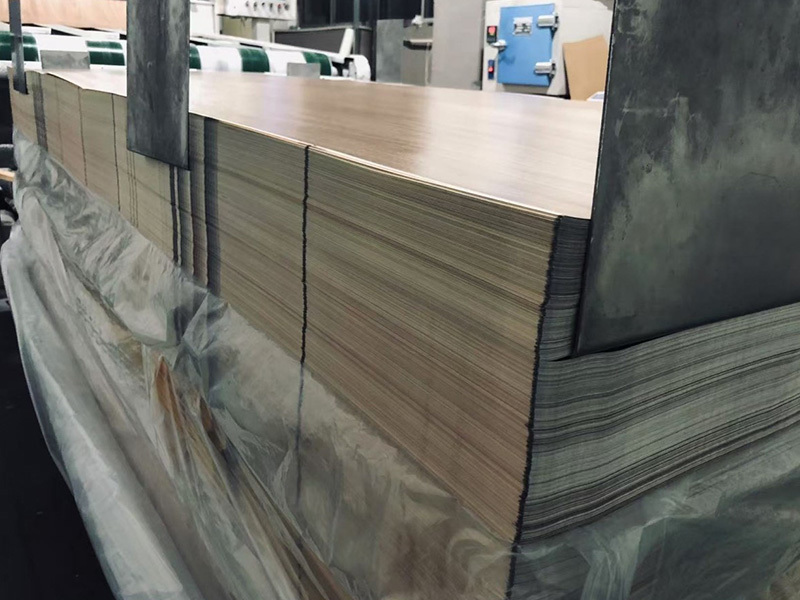
Transform Your Interior with Innovative Impregnated Paper Wall Designs
Using Impregnated Paper to Create Unique Wall Designs Table of Contents Introduction to Impregnated Paper What Is Impregnated Paper? Benefits of Using Impregnated Paper for Wall Designs Creative Applications of Impregnated Paper in Interiors Current Design Trends in Impregnated Paper How to Install Impregnated Paper on Walls Maintenance and Care for Impregnated Paper W
Read More →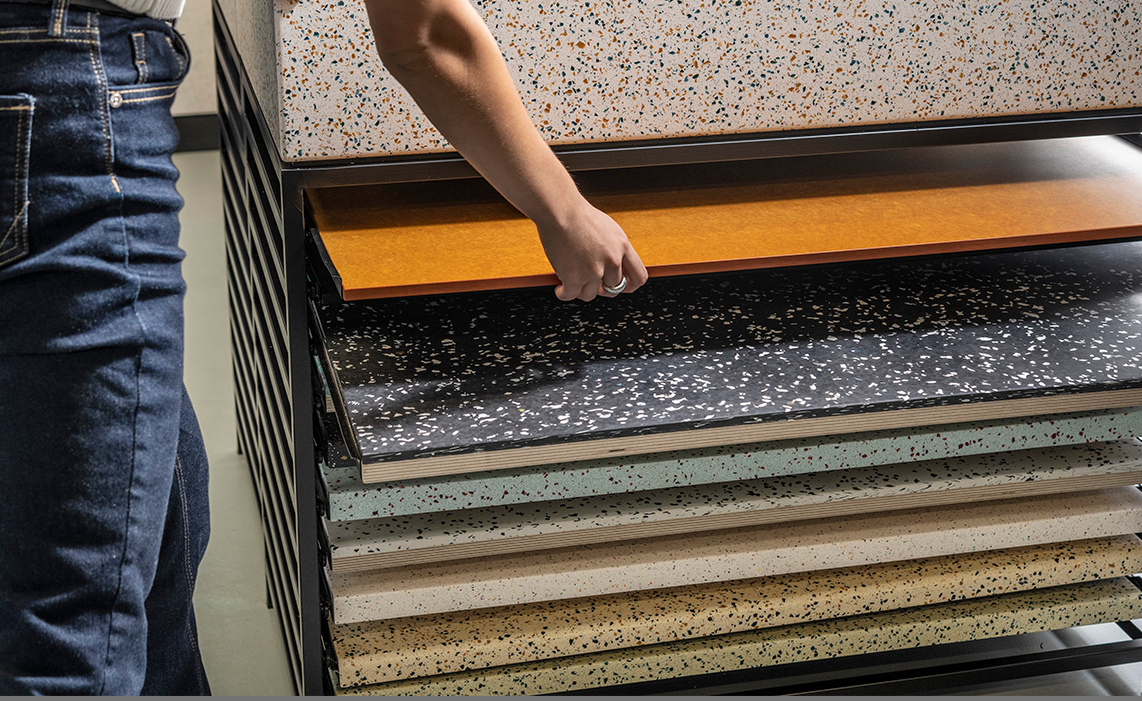
16 Oct,2026
Understanding Surface Materials in the Building and Decoration Industry
In the building and decoration industry, surface materials play a crucial role in determining the aesthetics and functionality of spaces. From residential properties to commercial establishments, the choice of surface materials can greatly influence both the look and feel of an environment. Understanding surface materials is essential for professionals seeking to make informed decisions that align
Read More →
Contact Us
E-mail: devandecor@163.com
Add: NO.8 DONGHUAN RD,HENGLIN TOWN,WUJIN DISTRICT, CHANGZHOU ,JIANGSU,CHINA
Copyright © 2025 Changzhou Defan New Materials Co., Ltd. All rights reserved. www.300.cn SEO
Subscribe our newsletter
Welcome to leave us a message, we will reply to you as soon as possible