
Understanding Laminated Boards: A Comprehensive Guide for Construction and Decoration
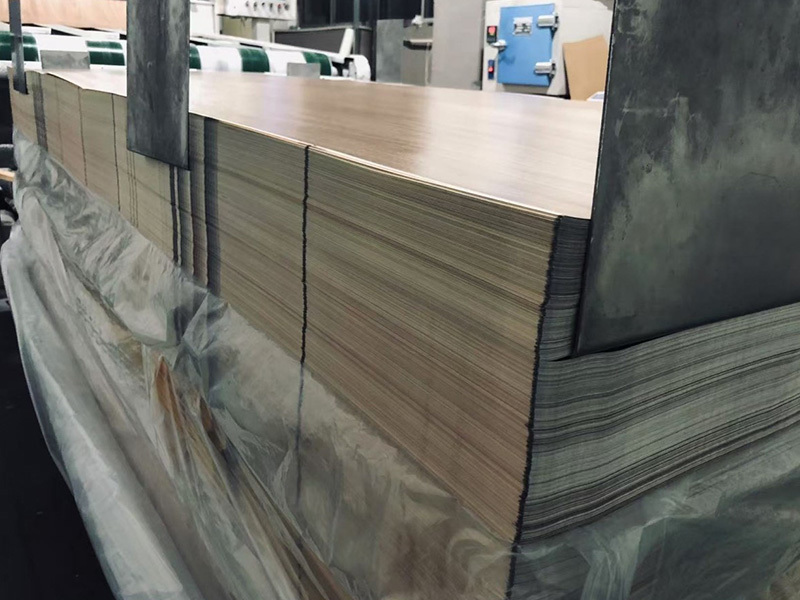
Laminated boards are engineered wood products created by bonding together multiple layers of materials, typically using adhesive resins. This process enhances the strength, durability, and aesthetic appeal of the boards, making them ideal for a variety of applications in the construction and decoration sectors. One of the key advantages of laminated boards is their structural integrity. The layeri
Release time:
22 Dec,2025
One of the key advantages of laminated boards is their structural integrity. The layering process allows for better resistance to warping and splitting compared to traditional solid wood. This characteristic makes laminated boards particularly suitable for areas with fluctuating moisture levels, such as kitchens and bathrooms. Additionally, they can be produced in larger sizes than solid wood, reducing the need for seams and joints, thus providing a cleaner and more cohesive look in any design.
The versatility of laminated boards extends to their applications. They are commonly used for countertops, cabinetry, flooring, and wall paneling. In commercial settings, laminated boards are often found in office furniture and fixtures due to their durability and ease of maintenance. Homeowners appreciate laminated boards for their stylish finishes and the wide range of colors and textures available, allowing for limitless design possibilities.
Another notable feature of laminated boards is their eco-friendliness. Many manufacturers have adopted sustainable practices, using recycled materials or responsibly sourced wood fibers in their production processes. This not only reduces waste but also appeals to environmentally-conscious consumers looking to create sustainable living spaces.
When considering laminated boards for your project, it’s essential to understand the various types available. High-pressure laminates (HPL) offer exceptional durability and are ideal for high-traffic areas, while low-pressure laminates (LPL) provide a cost-effective solution for less demanding applications. Additionally, decorative laminated boards can mimic the appearance of natural wood grains or other materials, allowing designers to achieve desired aesthetics without compromising on functionality.
In summary, laminated boards are a valuable asset in the construction and decoration industry, offering durability, aesthetic versatility, and eco-friendliness. Whether you're involved in a large-scale construction project or a small interior design endeavor, understanding the benefits and applications of laminated boards can significantly enhance your material choices and overall project outcomes. Embracing this innovative material can lead to beautiful, functional, and sustainable spaces.
Latest Blog
10 Nov,2026
Transform Your Interior with Innovative Impregnated Paper Wall Designs
Using Impregnated Paper to Create Unique Wall Designs Table of Contents Introduction to Impregnated Paper What Is Impregnated Paper? Benefits of Using Impregnated Paper for Wall Designs Creative Applications of Impregnated Paper in Interiors Current Design Trends in Impregnated Paper How to Install Impregnated Paper on Walls Maintenance and Care for Impregnated Paper W
Read More →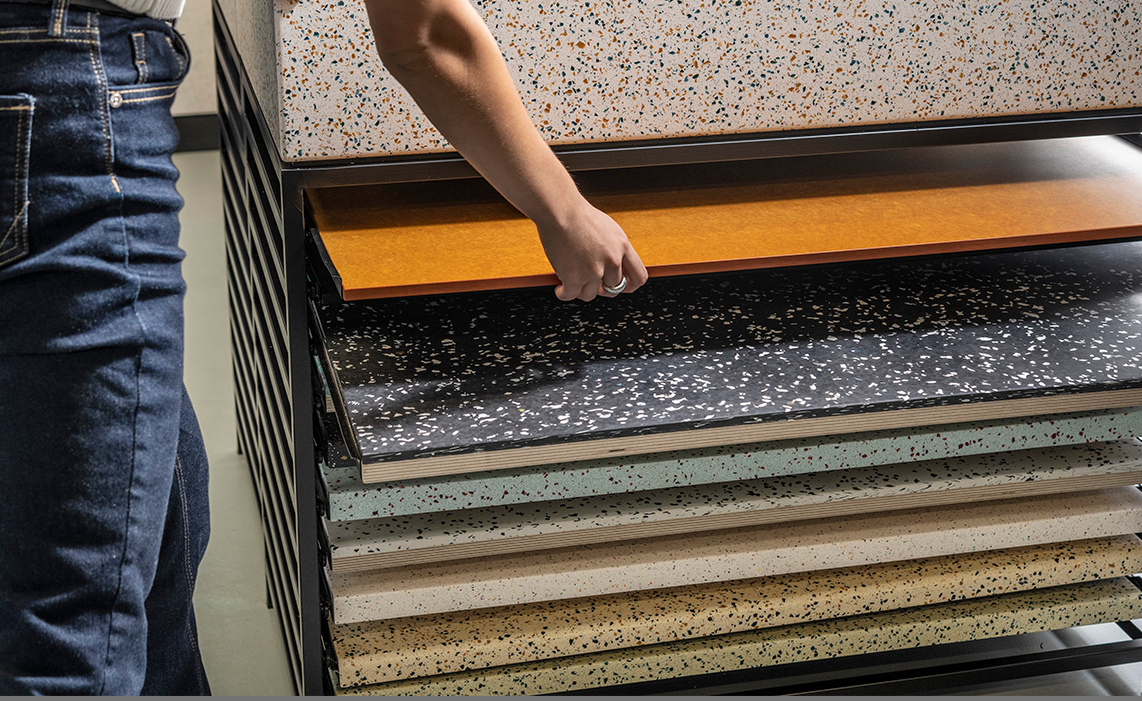
16 Oct,2026
Understanding Surface Materials in the Building and Decoration Industry
In the building and decoration industry, surface materials play a crucial role in determining the aesthetics and functionality of spaces. From residential properties to commercial establishments, the choice of surface materials can greatly influence both the look and feel of an environment. Understanding surface materials is essential for professionals seeking to make informed decisions that align
Read More →
Contact Us
E-mail: devandecor@163.com
Add: NO.8 DONGHUAN RD,HENGLIN TOWN,WUJIN DISTRICT, CHANGZHOU ,JIANGSU,CHINA
Copyright © 2025 Changzhou Defan New Materials Co., Ltd. All rights reserved. www.300.cn SEO
Subscribe our newsletter
Welcome to leave us a message, we will reply to you as soon as possible