
The Impact of Impregnated Paper on Sustainable Architecture and Design
The Impact of Impregnated Paper on Sustainable Architecture and Design In recent years, the architectural and design industries have seen a significant shift towards sustainability. One of the lesser-known materials driving this change is impregnated paper. This unique substance not only offers aesthetic versatility but also aligns with eco-friendly principles, making it a valuable asset in variou
Release time:
25 Dec,2025
The Impact of Impregnated Paper on Sustainable Architecture and Design
In recent years, the architectural and design industries have seen a significant shift towards sustainability. One of the lesser-known materials driving this change is impregnated paper. This unique substance not only offers aesthetic versatility but also aligns with eco-friendly principles, making it a valuable asset in various design projects. In this article, we will explore the role of impregnated paper in eco-friendly design, its benefits, applications, and the future it holds in sustainable architecture.
Understanding Impregnated Paper: A Green Material Choice
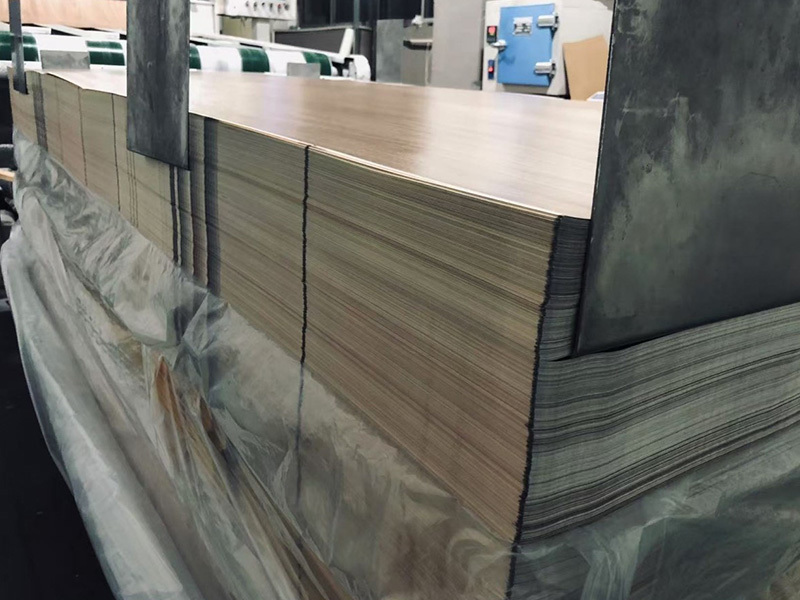
Impregnated paper is created by saturating paper with a resin or other binding agents, enhancing its durability, resistance to moisture, and overall performance. This innovative material can be utilized in various applications, from decorative surfaces to functional components in building construction. The eco-friendly attributes of impregnated paper make it an appealing option for architects and designers who prioritize sustainability.
Properties of Impregnated Paper
Impregnated paper boasts several key properties that make it suitable for eco-friendly design:
- Durability: The resin impregnation process significantly enhances the strength and longevity of the paper, allowing it to withstand wear and tear.
- Moisture Resistance: Its resistance to moisture makes impregnated paper ideal for use in humid environments, reducing the risk of mold and decay.
- Aesthetic Versatility: Available in various colors, patterns, and finishes, impregnated paper can seamlessly integrate into any design style.
- Recyclability: Many impregnated papers are recyclable, contributing to a circular economy and reducing waste.
The Environmental Benefits of Using Impregnated Paper
Utilizing impregnated paper in design not only enhances aesthetic appeal but also promotes environmental sustainability. Here are several key benefits:
1. Reduced Carbon Footprint
Choosing impregnated paper over traditional materials can significantly lower the carbon footprint of a project. Since it is often made from renewable resources, its production requires less energy, resulting in lower emissions.
2. Sustainable Sourcing
Many manufacturers of impregnated paper adhere to sustainable sourcing practices, ensuring that the raw materials used are harvested responsibly. This commitment to sustainability helps protect forests and natural ecosystems.
3. Waste Reduction
Impregnated paper's durability means that it can last longer than other materials, reducing the frequency of replacement and minimizing waste. Furthermore, when repurposed or recycled, it contributes to a reduction in landfill waste.
4. Chemical Safety
Many impregnated papers are free from harmful chemicals, making them safer for both users and the environment. This is particularly important for indoor applications where air quality is a concern.
Applications of Impregnated Paper in Eco-Friendly Design
The versatility of impregnated paper allows it to be utilized in various applications within eco-friendly design. Here are some popular uses:
1. Decorative Wall Panels
Impregnated paper can be transformed into stunning decorative wall panels that add character to any space. These panels are not only visually appealing but also contribute to acoustic insulation and thermal regulation, making them a practical choice for sustainable interiors.
2. Furniture Surfaces
Furniture makers are increasingly using impregnated paper for tabletops, cabinetry, and other surfaces. Its durability and resistance to stains and moisture make it an ideal choice for high-traffic areas, ensuring that furniture lasts longer and requires less maintenance.
3. Flooring Solutions
Innovative flooring solutions made from impregnated paper can provide a unique aesthetic while prioritizing sustainability. Engineered to resist wear and moisture, these flooring options can be a stylish and durable alternative to traditional materials.
4. Packaging Materials
In the realm of packaging, impregnated paper serves as a sustainable alternative to plastic. Its strength and versatility allow it to be used in various packaging applications, minimizing environmental impact and promoting a greener future.
5. Architectural Elements
Impregnated paper can also be utilized in architectural design, such as partition walls and ceiling tiles. These elements contribute to an aesthetically pleasing environment while enhancing sustainability through their eco-friendly properties.
Case Studies: Impregnated Paper in Action
To understand the transformative role of impregnated paper in eco-friendly design, let’s examine a few case studies where this material has made a significant impact:
1. The Eco-Friendly Office Space
A contemporary office in a major city opted to use impregnated paper for their interior wall design. The choice not only enhanced the aesthetic appeal but also improved acoustic performance. Employees reported higher satisfaction levels due to the improved atmosphere and natural aesthetics. Additionally, the use of sustainably sourced impregnated paper contributed to the building's LEED certification.
2. Residential Renovation Project
A residential renovation project focused on sustainability featured impregnated paper in its cabinetry and furniture surfaces. By choosing this eco-friendly material, the homeowners reduced their environmental footprint while enjoying a modern and stylish living space. The durability of impregnated paper ensured that the new installations would stand the test of time.
3. Innovative Retail Space Design
A flagship store in a bustling shopping district embraced impregnated paper for its display fixtures and wall coverings. The unique visual design attracted customers, and the commitment to sustainability resonated with the brand’s eco-conscious clientele. This strategy not only boosted sales but also showcased the brand’s dedication to innovative design.
Challenges and Considerations in Using Impregnated Paper
While impregnated paper offers numerous benefits, there are also challenges to consider before integrating it into projects:
1. Cost Implications
While the long-term benefits can outweigh the initial costs, impregnated paper may be more expensive than traditional materials. Designers must weigh the benefits against the budget constraints of their projects.
2. Limited Awareness
Many architects and designers may not be familiar with impregnated paper as a material choice. Increased awareness and education about its benefits and applications are crucial for its adoption in the industry.
3. Quality Variability
Not all impregnated papers are created equal. It is essential to source high-quality products from reputable manufacturers to ensure the durability and sustainability of the material used.
Future Trends in Impregnated Paper and Eco-Friendly Design
As the demand for sustainable materials continues to rise, the future looks bright for impregnated paper in eco-friendly design:
1. Advancements in Technology
Emerging technologies are likely to improve the production processes of impregnated paper, making them even more sustainable and cost-effective. This advancement will encourage broader adoption in architectural and design applications.
2. Increased Collaboration
Collaboration between manufacturers, designers, and architects will play a vital role in promoting the use of impregnated paper. By sharing knowledge and best practices, stakeholders can create innovative solutions that push the boundaries of eco-friendly design.
3. Growth in Consumer Demand
As consumers become increasingly eco-conscious, the demand for sustainable design solutions will rise. This shift will further encourage designers to explore materials like impregnated paper to meet sustainability goals while captivating their clients.
Frequently Asked Questions (FAQs)
1. What is impregnated paper?
Impregnated paper is a type of paper that has been saturated with resin or other binding agents to enhance its durability, moisture resistance, and aesthetic appeal.
2. How is impregnated paper eco-friendly?
Impregnated paper is considered eco-friendly due to its reduced carbon footprint, sustainable sourcing practices, recyclability, and chemical safety.
3. Where can I use impregnated paper in design?
Impregnated paper can be used in various applications, including decorative wall panels, furniture surfaces, flooring, packaging materials, and architectural elements.
4. Is impregnated paper more expensive than traditional materials?
While impregnated paper may have higher initial costs, its long-term durability and sustainability benefits can make it a cost-effective option over time.
5. How can I ensure the quality of impregnated paper?
To ensure quality, source impregnated paper from reputable manufacturers who prioritize sustainable practices and adhere to industry standards.
Conclusion
Impregnated paper is poised to play a transformative role in the future of eco-friendly design. Its unique properties, aesthetic versatility, and environmental benefits make it an excellent choice for architects and designers dedicated to sustainability. By understanding its applications, advantages, and potential challenges, we can harness the power of impregnated paper to create beautiful, sustainable spaces that resonate with today’s eco-conscious consumers. As we look toward the future, embracing this innovative material may well become a defining characteristic of responsible and forward-thinking design.
Latest Blog
10 Nov,2026
Transform Your Interior with Innovative Impregnated Paper Wall Designs
Using Impregnated Paper to Create Unique Wall Designs Table of Contents Introduction to Impregnated Paper What Is Impregnated Paper? Benefits of Using Impregnated Paper for Wall Designs Creative Applications of Impregnated Paper in Interiors Current Design Trends in Impregnated Paper How to Install Impregnated Paper on Walls Maintenance and Care for Impregnated Paper W
Read More →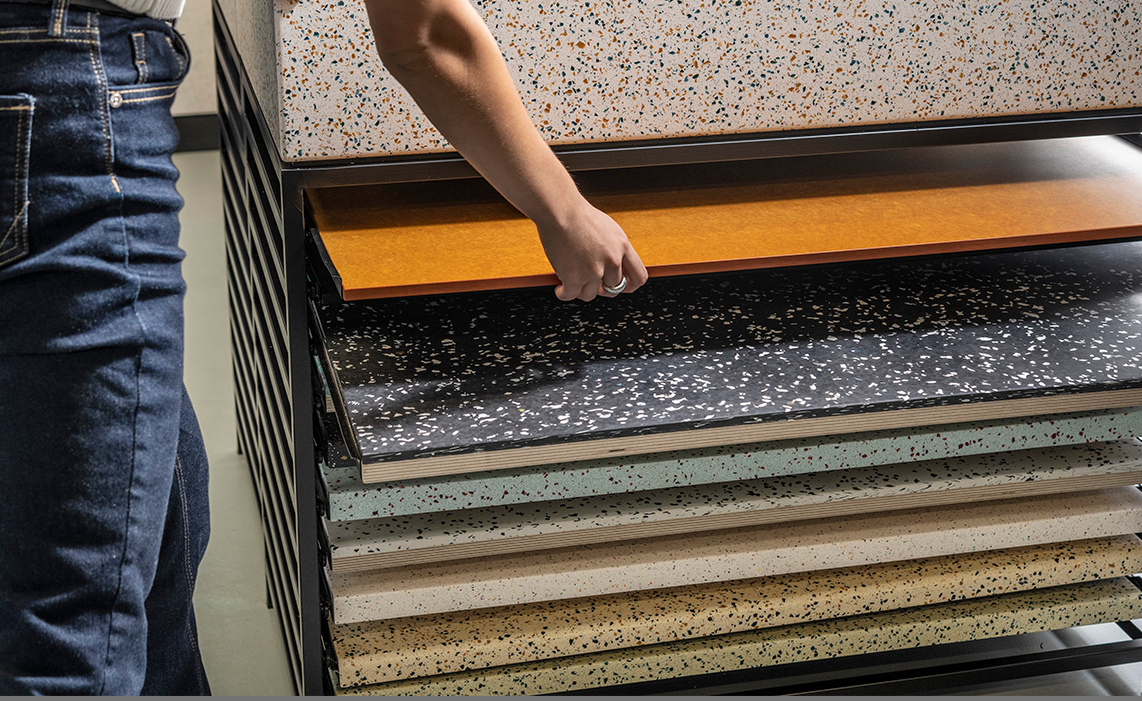
16 Oct,2026
Understanding Surface Materials in the Building and Decoration Industry
In the building and decoration industry, surface materials play a crucial role in determining the aesthetics and functionality of spaces. From residential properties to commercial establishments, the choice of surface materials can greatly influence both the look and feel of an environment. Understanding surface materials is essential for professionals seeking to make informed decisions that align
Read More →
Contact Us
E-mail: devandecor@163.com
Add: NO.8 DONGHUAN RD,HENGLIN TOWN,WUJIN DISTRICT, CHANGZHOU ,JIANGSU,CHINA
Copyright © 2025 Changzhou Defan New Materials Co., Ltd. All rights reserved. www.300.cn SEO
Subscribe our newsletter
Welcome to leave us a message, we will reply to you as soon as possible