
Selecting the Right Colors for PVC Edge Banding: Tips and Tricks for Enhanced Aesthetics
Selecting the Right Colors for PVC Edge Banding: Tips and Tricks for Enhanced Aesthetics Table of Contents 1. Introduction to PVC Edge Banding and Its Importance 2. Understanding Color Theory: The Basics 3. Factors Influencing Color Selection for PVC Edge Banding 4. Harmonizing Colors with Surrounding Elements 5. Popular Color Trends for PVC Edge Banding 6. Effective Color
Release time:
26 Feb,2026
Selecting the Right Colors for PVC Edge Banding: Tips and Tricks for Enhanced Aesthetics
Table of Contents
- 1. Introduction to PVC Edge Banding and Its Importance
- 2. Understanding Color Theory: The Basics
- 3. Factors Influencing Color Selection for PVC Edge Banding
- 4. Harmonizing Colors with Surrounding Elements
- 5. Popular Color Trends for PVC Edge Banding
- 6. Effective Color Combinations and Pairing for PVC Edge Banding
- 7. Practical Tips for Selecting Colors
- 8. Common Mistakes to Avoid When Choosing Colors
- 9. FAQs
- 10. Conclusion
1. Introduction to PVC Edge Banding and Its Importance
PVC edge banding plays a pivotal role in the design and construction of furniture and cabinetry. **It serves not only as a protective barrier** against wear and tear but also enhances the overall aesthetic appeal of surfaces. Selecting the right colors for PVC edge banding can significantly influence the final look of a project, creating visual coherence or striking contrast. This article delves into the methodologies and best practices for choosing the perfect colors for PVC edge banding, ensuring that your designs stand out for all the right reasons.
2. Understanding Color Theory: The Basics
To make informed decisions about color selection, it’s essential to grasp the fundamentals of color theory. The color wheel is a useful tool, illustrating how different colors relate to one another. Colors are typically categorized into primary, secondary, and tertiary:
- **Primary colors**: Red, blue, and yellow.
- **Secondary colors**: Green, orange, and purple (created by mixing primary colors).
- **Tertiary colors**: Created by mixing a primary color with a secondary color.
Additionally, colors can be classified as warm or cool. **Warm colors** (reds, oranges, yellows) evoke energy and excitement, while **cool colors** (blues, greens, purples) promote calmness and tranquility. Understanding these principles equips designers with the knowledge they need to make choices that resonate with the intended mood and purpose of their space.
3. Factors Influencing Color Selection for PVC Edge Banding
Several factors impact the selection of colors for PVC edge banding. These include:
3.1 Target Audience and Usage
Consider who will be using the space. For instance, **a child’s room** might benefit from vibrant, playful colors, while a home office may require more subdued, professional tones.
3.2 Environment and Lighting
Natural and artificial lighting can change the perception of colors. **A color may appear different in bright daylight compared to dim indoor lighting.** It's crucial to test samples in the actual space to see how they interact with varying light conditions.
3.3 Existing Décor and Materials
Take stock of the existing colors and materials in the environment. Choosing colors that complement or contrast with these elements can enhance the overall design. For example, if your furniture has a warm wood finish, soft neutral tones for PVC edge banding can create a harmonious look.
4. Harmonizing Colors with Surrounding Elements
**Creating a cohesive look** involves harmonizing the colors of PVC edge banding with surrounding elements. This can be achieved through several strategies:
4.1 Monochromatic Schemes
Using different shades of the same color can create a sophisticated and calming effect. For example, various shades of blue can be used for PVC edge banding to complement a blue-painted cabinet.
4.2 Complementary Colors
Complementary colors sit opposite each other on the color wheel, such as blue and orange. **Using these colors can create a bold statement** and draw attention to the edges of cabinetry.
4.3 Analogous Colors
Colors that are next to each other on the color wheel (like blue, green, and teal) can create a harmonious and pleasing effect. This approach is especially effective for achieving a cohesive look without harsh contrasts.
5. Popular Color Trends for PVC Edge Banding
Staying updated on color trends can provide inspiration for selecting PVC edge banding colors. Here are some popular trends:
5.1 Neutral Tones
**Neutral colors** like whites, grays, and beiges continue to dominate. They offer versatility, making them suitable for various styles and designs.
5.2 Bold and Vibrant Hues
For those looking to make a statement, bright and vibrant colors such as emerald green, royal blue, and deep red are gaining popularity. **These colors can energize a space** and are particularly effective in modern designs.
5.3 Earthy Tones
Colors inspired by nature, such as terracotta, olive green, and mustard yellow, are trending. These hues bring warmth and a sense of grounding to contemporary interiors.
6. Effective Color Combinations and Pairing for PVC Edge Banding
When it comes to pairing colors for PVC edge banding, certain combinations work better than others. Here are some effective pairings:
6.1 Pastels with Bold Colors
Combining soft pastel shades with bold colors can create a playful and dynamic look. For example, pairing a soft pink edge band with a strong navy cabinet can produce an appealing contrast.
6.2 Dark Colors with Light Colors
Using dark colors for edge banding against light-colored surfaces (or vice versa) can help define edges and add depth to the design. **This contrast can enhance visibility and bring focus to the cabinetry.**
6.3 Textured Colors
Integrating textured colors (e.g., matte, glossy, or textured finishes) can add interest and dimension. A matte edge banding against a glossy cabinet can create a visual dialogue that captivates the eye.
7. Practical Tips for Selecting Colors
Choosing colors for PVC edge banding can be simplified with some practical tips:
7.1 Sample Swatches
Always use sample swatches to see how colors interact with the actual materials in your space. **Testing in different lighting conditions** can provide invaluable insight.
7.2 Consult Design Tools
Utilize design software or online tools that can help visualize how different colors will look in your space. Many tools allow you to upload photos and try various color combinations.
7.3 Stay True to Your Style
Ultimately, your personal style should guide your choices. If you are drawn to specific colors or themes, don’t hesitate to integrate them into your design.
8. Common Mistakes to Avoid When Choosing Colors
When selecting colors for PVC edge banding, it's essential to steer clear of common pitfalls:
8.1 Ignoring the Overall Design
Focusing solely on the edge banding colors without considering the overall design can lead to a disjointed look. Always keep the entire project in perspective.
8.2 Rushing the Decision
Color selection is a crucial step in the design process. **Take your time to evaluate options** and ensure that your choices align with your vision.
8.3 Neglecting Color Psychology
Colors evoke emotions and feelings. Ignoring the psychological impact of colors can result in a space that doesn’t meet the desired ambiance or function.
9. FAQs
9.1 What materials are commonly used for PVC edge banding?
PVC edge banding is typically made from a blend of polyvinyl chloride, which is durable and versatile. It is often laminated for added protection.
9.2 Can PVC edge banding be painted?
Yes, PVC edge banding can be painted, although it’s essential to use a paint designed for plastic to ensure adhesion and durability.
9.3 How do I apply PVC edge banding?
PVC edge banding can be applied using hot melt adhesive, iron-on methods, or specialty adhesives. Always follow the manufacturer’s instructions for best results.
9.4 Is there a difference between PVC and melamine edge banding?
Yes, PVC edge banding is made from polyvinyl chloride, while melamine edge banding is made from melamine resin. Each offers different aesthetic qualities and durability.
9.5 How do I maintain PVC edge banding?
To maintain PVC edge banding, regularly clean it with mild soap and water. Avoid harsh chemicals that can damage the finish.
10. Conclusion
In conclusion, selecting the right colors for PVC edge banding is crucial for achieving a cohesive and aesthetically pleasing design. By understanding color theory, considering environmental factors, and avoiding common mistakes, we can make informed decisions that elevate our projects. Whether opting for bold hues or subtle tones, the right color choices can significantly enhance the visual appeal of any space. With the tips and strategies outlined in this guide, we encourage you to explore your creativity, experiment with color combinations, and ultimately create stunning designs that reflect your unique style.
Latest Blog
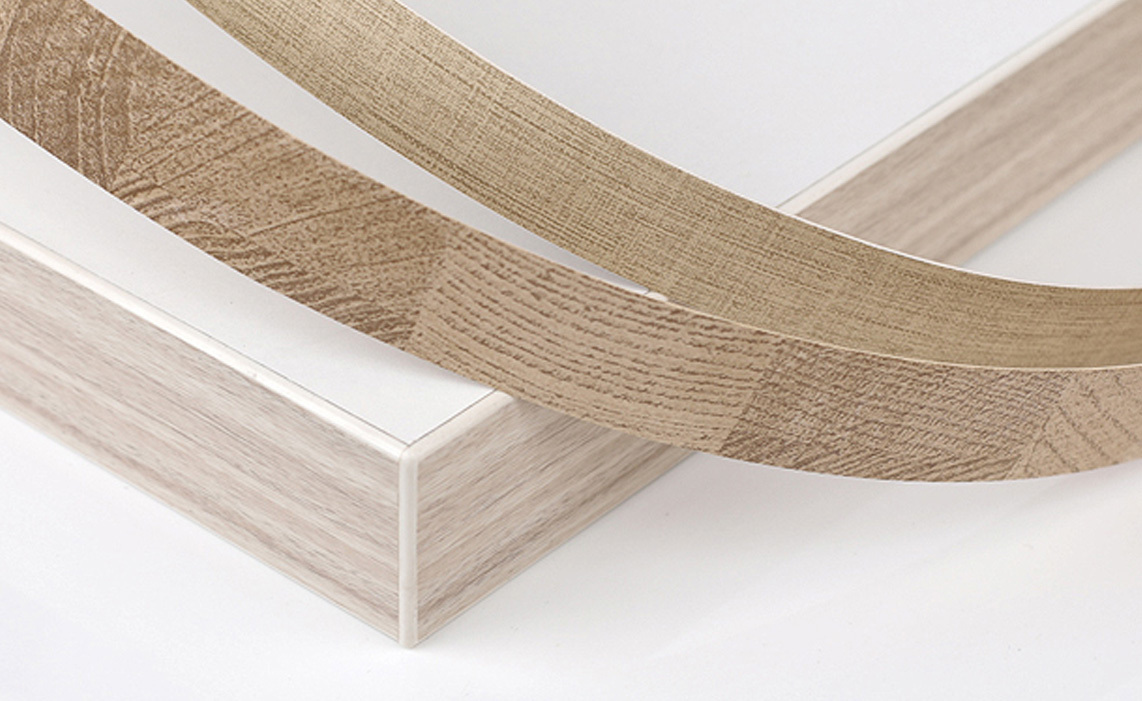
03 Mar,2026
The Essential Guide to PVC Edge Banding in Architectural and Decorative Materials
PVC Edge Banding is a versatile material commonly used in furniture and cabinetry to create a polished and professional finish. It serves as a covering for exposed edges of particleboard, MDF, or plywood, enhancing the durability and aesthetic appeal of furniture pieces. The primary purpose of edge banding is to protect the core material from moisture, dirt, and physical damage while providing a s
Read More →
03 Mar,2026
Versatile Engineered Material for Enhanced Strength and Protection
Impregnated paper offers enhanced strength, moisture resistance, and durability for insulation, laminates, and packaging.
Read More →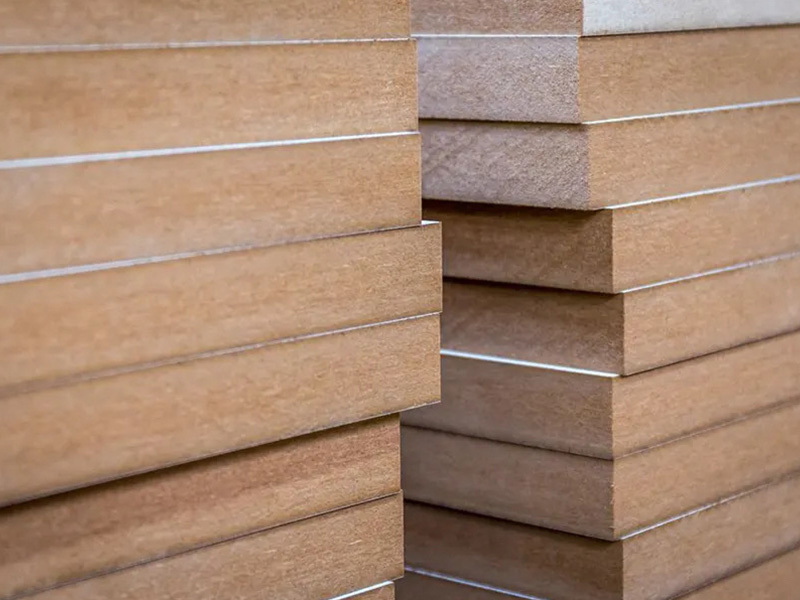
02 Mar,2026
Why Laminated Boards Are the Future of Home Decor: An In-Depth Guide
Why Laminated Boards Are the Future of Home Decor Laminated boards have emerged as a revolutionary choice in the realm of home decor, blending aesthetic appeal with unparalleled functionality. In recent years, they have gained immense popularity due to their versatility, affordability, and sustainability. This article delves into the myriad benefits of laminated boards, their applications in home
Read More →Contact Us
Sales manager SUNNY LIU
+86 15751150508 (wechat、whatsapp)
E-mail: Sunny@devandecor.com
Add: NO.8 DONGHUAN RD,HENGLIN TOWN,WUJIN DISTRICT, CHANGZHOU ,JIANGSU,CHINA
Copyright © 2025 Changzhou Defan New Materials Co., Ltd. All rights reserved. www.300.cn SEO
Subscribe our newsletter
Welcome to leave us a message, we will reply to you as soon as possible