
Understanding Surface Material Choices in Architectural and Decorative Applications
In the realm of architecture and decorative materials, the choice of surface material plays a critical role in defining the overall aesthetic and functionality of a space. Surface materials can encompass a wide range of options, including wood, metal, glass, ceramics, and composites, each offering unique characteristics that cater to diverse architectural styles and requirements. Here, we will exp
Release time:
27 Feb,2026
When selecting surface materials, it is essential to consider their durability, maintenance requirements, and visual impact. For instance, natural materials like wood offer a warm, organic look but may require regular upkeep to maintain their appearance. On the other hand, materials such as metal and glass provide a sleek, modern finish that is often more resistant to wear and tear. Understanding these differences enables architects and designers to tailor their choices to the specific demands of their projects.
In terms of applications, surface materials can be utilized in various contexts, such as flooring, wall cladding, countertops, and decorative elements. For example, ceramic tiles are popular for their versatility and ease of maintenance, making them ideal for both residential and commercial spaces. Similarly, engineered stone surfaces have gained traction in contemporary designs due to their aesthetic appeal and functional durability. These materials not only enhance the visual aspects of a space but also contribute to its practicality and longevity.
Another key consideration when dealing with surface materials is sustainability. With an increasing emphasis on environmentally friendly practices, many architects and designers are turning to sustainable materials that minimize ecological impact. Options such as reclaimed wood, recycled metal, and low-VOC (volatile organic compounds) finishes are not only aesthetically pleasing but also align with a growing demand for responsible sourcing and production methods.
Furthermore, the integration of technology with surface materials is becoming increasingly prevalent. Innovations such as smart glass, which can change opacity based on environmental conditions, are revolutionizing the way architects and builders approach design. These advanced materials not only enhance energy efficiency but also provide dynamic solutions that respond to the needs of modern living.
In conclusion, the selection of surface materials in architectural and decorative contexts is a multifaceted process that requires careful consideration of various factors, including durability, aesthetics, sustainability, and technological advancements. By understanding the properties and applications of different surface materials, professionals in the industry can create spaces that are not only visually striking but also functional and environmentally responsible. Embracing the potential of diverse surface materials will ultimately lead to innovative designs that resonate with users and enhance the built environment.
Latest Blog
03 Mar,2026
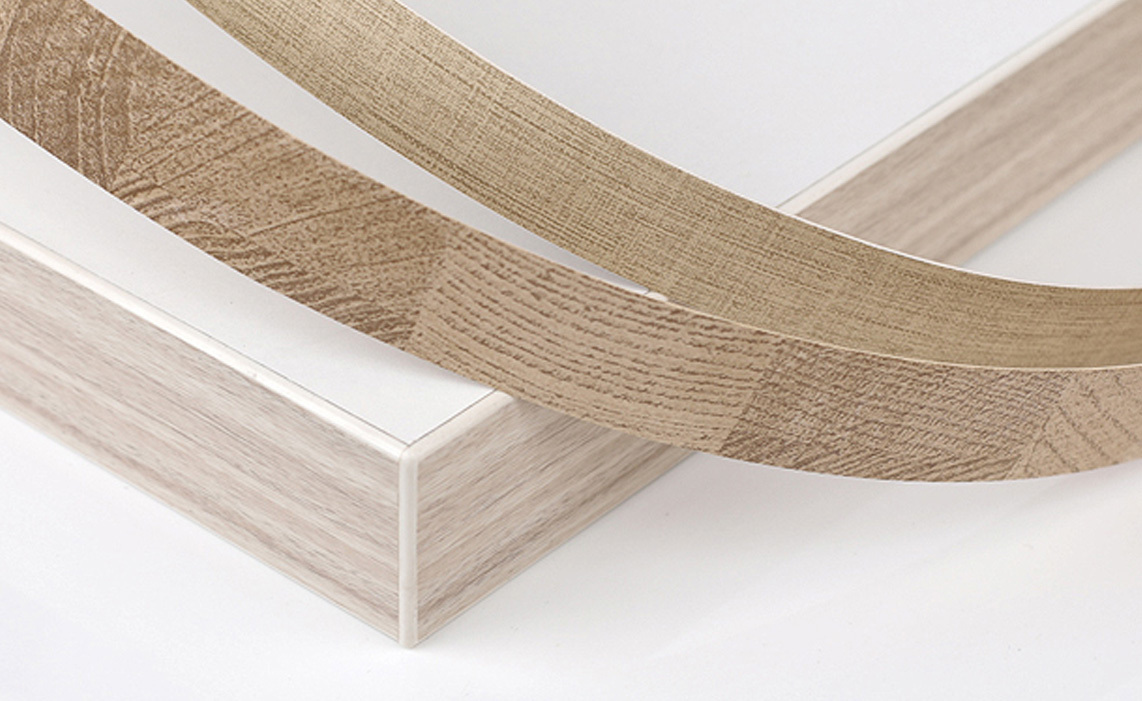
The Essential Guide to PVC Edge Banding in Architectural and Decorative Materials
PVC Edge Banding is a versatile material commonly used in furniture and cabinetry to create a polished and professional finish. It serves as a covering for exposed edges of particleboard, MDF, or plywood, enhancing the durability and aesthetic appeal of furniture pieces. The primary purpose of edge banding is to protect the core material from moisture, dirt, and physical damage while providing a s
Read More →
03 Mar,2026
Versatile Engineered Material for Enhanced Strength and Protection
Impregnated paper offers enhanced strength, moisture resistance, and durability for insulation, laminates, and packaging.
Read More →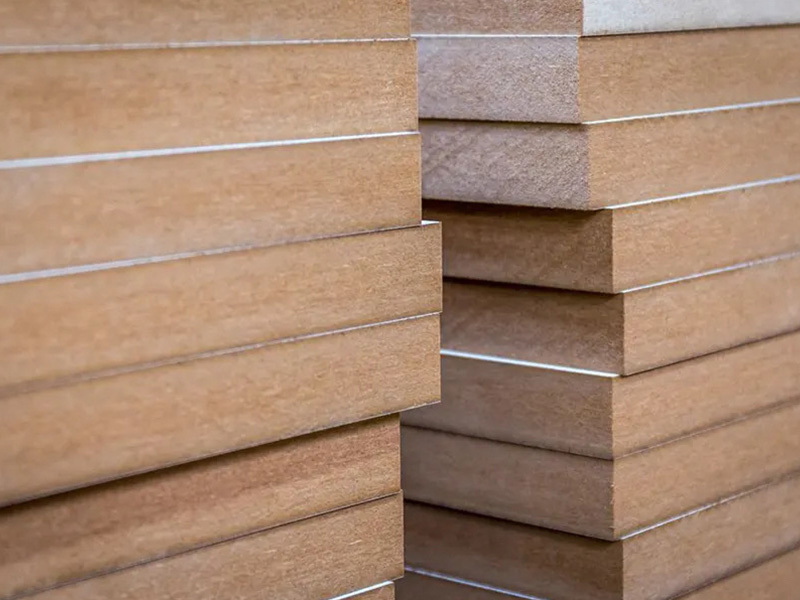
02 Mar,2026
Why Laminated Boards Are the Future of Home Decor: An In-Depth Guide
Why Laminated Boards Are the Future of Home Decor Laminated boards have emerged as a revolutionary choice in the realm of home decor, blending aesthetic appeal with unparalleled functionality. In recent years, they have gained immense popularity due to their versatility, affordability, and sustainability. This article delves into the myriad benefits of laminated boards, their applications in home
Read More →Contact Us
Sales manager SUNNY LIU
+86 15751150508 (wechat、whatsapp)
E-mail: Sunny@devandecor.com
Add: NO.8 DONGHUAN RD,HENGLIN TOWN,WUJIN DISTRICT, CHANGZHOU ,JIANGSU,CHINA
Copyright © 2025 Changzhou Defan New Materials Co., Ltd. All rights reserved. www.300.cn SEO
Subscribe our newsletter
Welcome to leave us a message, we will reply to you as soon as possible