
From Concept to Reality: Designing with Impregnated Paper in Architectural Projects
From Concept to Reality: Designing with Impregnated Paper in Architectural Projects Table of Contents 1. Introduction to Impregnated Paper in Design 2. Understanding Impregnated Paper 2.1 What is Impregnated Paper? 2.2 Composition and Manufacturing Process 3. Benefits of Using Impregnated Paper in Design 4. Diverse Applications of Impregna
Release time:
28 Feb,2026
From Concept to Reality: Designing with Impregnated Paper in Architectural Projects
Table of Contents
- 1. Introduction to Impregnated Paper in Design
- 2. Understanding Impregnated Paper
- 3. Benefits of Using Impregnated Paper in Design
- 4. Diverse Applications of Impregnated Paper
- 5. Key Design Considerations When Using Impregnated Paper
- 6. Case Studies: Successful Implementation of Impregnated Paper
- 7. Future Trends in Impregnated Paper Design
- 8. Frequently Asked Questions
- 9. Conclusion
1. Introduction to Impregnated Paper in Design
In the world of architecture and interior design, innovative materials play a vital role in creating functional and aesthetically pleasing spaces. **Impregnated paper**, a unique composite material, has emerged as a game-changer in this realm. Its versatility, durability, and aesthetic appeal allow designers to push the boundaries of traditional design, transforming concepts into tangible realities. This article delves into the world of impregnated paper, exploring its benefits, applications, and future trends.
2. Understanding Impregnated Paper
2.1 What is Impregnated Paper?
Impregnated paper is a type of decorative paper that has been treated with a thermosetting resin, which enhances its properties, making it more durable, moisture-resistant, and versatile for various applications. This process allows the paper to take on a range of textures and finishes, making it suitable for both functional and decorative uses.
2.2 Composition and Manufacturing Process
The production of impregnated paper involves a multi-step process:
1. **Base Paper Selection**: High-quality cellulose paper is selected as the base for the impregnation process.
2. **Resin Application**: The paper is then impregnated with a specially formulated resin, typically melamine or phenolic.
3. **Drying and Curing**: After impregnation, the paper is dried and cured to set the resin, enhancing its durability and resistance to wear and tear.
4. **Finishing Touches**: Finally, the impregnated paper may undergo additional finishing processes to achieve desired textures, colors, and patterns.
This complex manufacturing process results in a material that possesses the beauty of paper with the strength and resilience of synthetic products.
3. Benefits of Using Impregnated Paper in Design
Choosing impregnated paper for design projects comes with numerous advantages:
- **Versatility**: Impregnated paper can mimic various natural materials such as wood, stone, or metal, allowing designers to create unique looks.
- **Durability**: The resin treatment provides enhanced resistance to moisture, stains, and wear, making it ideal for high-traffic areas.
- **Customization**: It can be produced in a myriad of colors, patterns, and textures, allowing for personalized design solutions.
- **Eco-Friendliness**: Many impregnated papers are made from sustainable sources and can be recycled, making them an environmentally responsible choice.
- **Cost-Effectiveness**: Compared to traditional materials, impregnated paper can offer a more affordable alternative without compromising on aesthetics or durability.
4. Diverse Applications of Impregnated Paper
Impregnated paper has a wide range of applications across various sectors of design.
4.1 Interior Design and Decor
In interior design, impregnated paper is increasingly used for wall coverings, ceilings, and decorative accents. Its ability to resist moisture makes it suitable for kitchens and bathrooms, where traditional wallpaper might fail. Designers are utilizing this material to create stunning feature walls that blend both beauty and functionality.
4.2 Furniture Design
Impregnated paper is also making waves in furniture design. Its durability allows it to be used on surfaces such as tabletops, cabinets, and shelving units. Furniture designers can create pieces that feature unique textures and patterns, providing a modern twist to traditional designs.
4.3 Exterior Applications
Emerging trends indicate an increasing interest in using impregnated paper for outdoor applications. Its weather-resistant properties make it suitable for exterior cladding and outdoor furniture, combining style with durability to withstand the elements.
5. Key Design Considerations When Using Impregnated Paper
While the benefits of impregnated paper are clear, several design considerations should be taken into account when incorporating it into projects.
5.1 Aesthetic Potential
The visual appeal of impregnated paper is vast. Designers must consider the overall theme and desired aesthetic of their projects. The paper can be printed with patterns that reflect contemporary styles or classic designs, catering to various tastes.
5.2 Sustainability and Eco-Friendliness
As consumers become more environmentally conscious, the sustainability aspect of impregnated paper becomes increasingly important. Utilizing materials derived from renewable sources and promoting recycling options can enhance a project's appeal to eco-minded clients.
6. Case Studies: Successful Implementation of Impregnated Paper
To understand the practical applications and benefits of impregnated paper, let’s look at some successful case studies.
- **Residential Interiors**: In a modern urban apartment, designers used impregnated paper to create a striking entryway wall that resembles natural wood grain. The material's durability ensured that it remained pristine even in a high-traffic area.
- **Commercial Spaces**: An innovative café utilized impregnated paper for its tables and counters. The unique finish not only drew attention but also provided a surface that was easy to clean and maintain, enhancing customer experience.
- **Outdoor Solutions**: A trendy outdoor lounge area incorporated impregnated paper in its furniture design, successfully blending style with functionality. The resistance to UV rays and moisture ensured longevity and minimal upkeep.
7. Future Trends in Impregnated Paper Design
As technology continues to advance, the future of impregnated paper in design looks promising. Emerging trends include:
- **Smart Materials**: Integration of technology into impregnated paper may allow for features such as self-cleaning surfaces or interactive designs.
- **Increased Customization**: Advances in printing technology may lead to even greater customization possibilities, allowing for more intricate designs and patterns.
- **Sustainable Innovations**: Continued focus on sustainability will drive manufacturers to explore new eco-friendly resins and production methods, making impregnated paper an even more responsible choice for designers.
8. Frequently Asked Questions
What is the primary advantage of using impregnated paper in design?
Impregnated paper offers durability and versatility, enabling designers to create beautiful and functional spaces that can withstand wear and moisture.
Is impregnated paper eco-friendly?
Many impregnated papers are made from sustainable materials and are recyclable, making them a more environmentally responsible choice.
Can impregnated paper be used outdoors?
Yes, due to its weather-resistant properties, impregnated paper can be effectively used in outdoor applications, including furniture and cladding.
How does impregnated paper compare to traditional wood products?
Impregnated paper provides a similar aesthetic to natural wood but often at a lower cost and with greater durability, making it a practical alternative.
What design styles work best with impregnated paper?
Impregnated paper can be tailored to suit various design styles, from contemporary to classic, allowing for a wide range of creative applications.
9. Conclusion
In the journey from concept to reality, impregnated paper stands out as a versatile and innovative material that has significantly impacted architectural and interior design. Its unique combination of durability, aesthetic appeal, and environmental consciousness makes it an attractive choice for designers looking to create spaces that resonate with clients. As trends evolve and technology advances, the future of impregnated paper design is bright, promising exciting new possibilities that can help shape the way we think about materials in architecture and decoration. Embracing this material may well lead to inspiring designs that are not only visually stunning but also practical and sustainable.
Latest Blog
03 Mar,2026
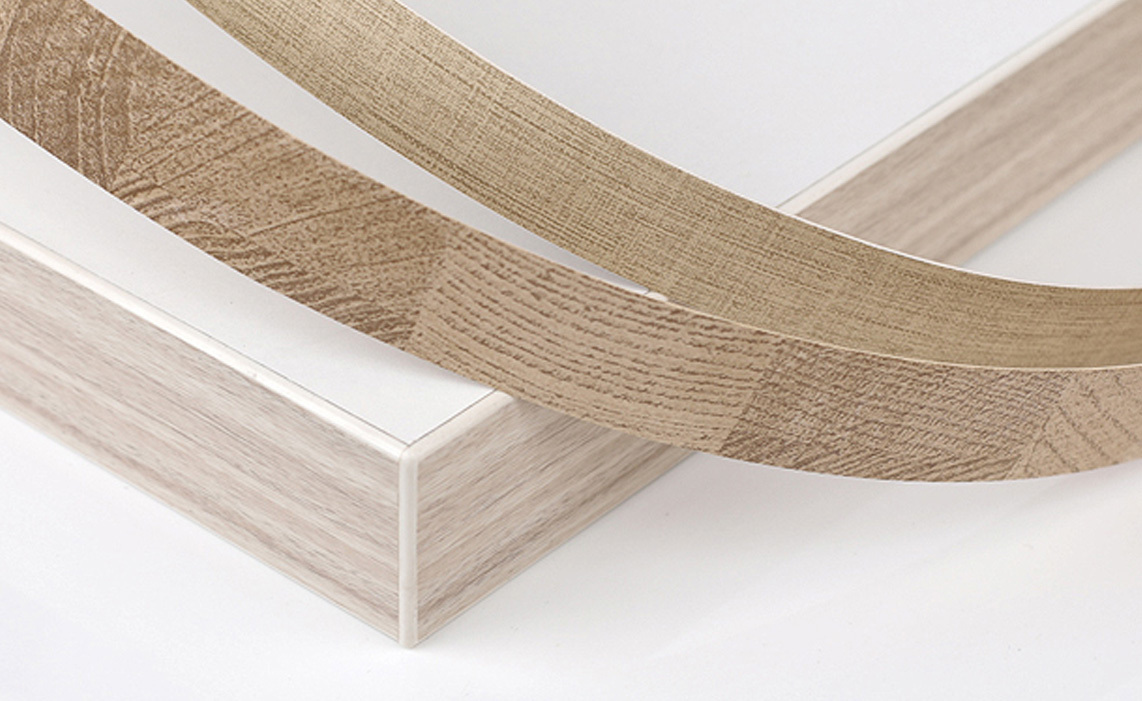
The Essential Guide to PVC Edge Banding in Architectural and Decorative Materials
PVC Edge Banding is a versatile material commonly used in furniture and cabinetry to create a polished and professional finish. It serves as a covering for exposed edges of particleboard, MDF, or plywood, enhancing the durability and aesthetic appeal of furniture pieces. The primary purpose of edge banding is to protect the core material from moisture, dirt, and physical damage while providing a s
Read More →
03 Mar,2026
Versatile Engineered Material for Enhanced Strength and Protection
Impregnated paper offers enhanced strength, moisture resistance, and durability for insulation, laminates, and packaging.
Read More →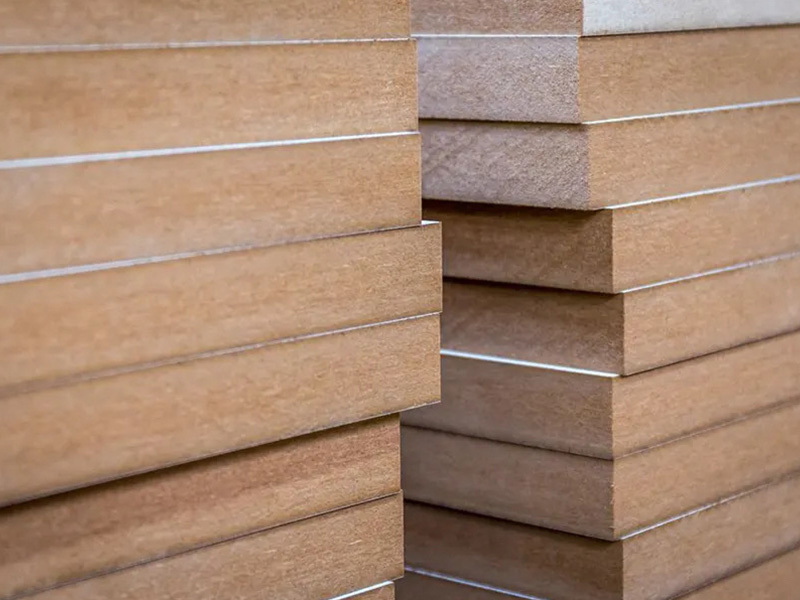
02 Mar,2026
Why Laminated Boards Are the Future of Home Decor: An In-Depth Guide
Why Laminated Boards Are the Future of Home Decor Laminated boards have emerged as a revolutionary choice in the realm of home decor, blending aesthetic appeal with unparalleled functionality. In recent years, they have gained immense popularity due to their versatility, affordability, and sustainability. This article delves into the myriad benefits of laminated boards, their applications in home
Read More →Contact Us
Sales manager SUNNY LIU
+86 15751150508 (wechat、whatsapp)
E-mail: Sunny@devandecor.com
Add: NO.8 DONGHUAN RD,HENGLIN TOWN,WUJIN DISTRICT, CHANGZHOU ,JIANGSU,CHINA
Copyright © 2025 Changzhou Defan New Materials Co., Ltd. All rights reserved. www.300.cn SEO
Subscribe our newsletter
Welcome to leave us a message, we will reply to you as soon as possible