
Durability vs. Aesthetics: Finding the Perfect Surface Material Balance in Construction and Decoration
Durability vs. Aesthetics: Finding the Perfect Surface Material Balance in Construction and Decoration Table of Contents Introduction to Surface Material Selection Understanding Durability in Surface Materials The Role of Aesthetics in Surface Materials Balancing Durability and Aesthetics Popular Surface Materials: An Overview Choosing the Right Material for Your Project
Release time:
04 Mar,2026
Durability vs. Aesthetics: Finding the Perfect Surface Material Balance in Construction and Decoration
Table of Contents
- Introduction to Surface Material Selection
- Understanding Durability in Surface Materials
- The Role of Aesthetics in Surface Materials
- Balancing Durability and Aesthetics
- Popular Surface Materials: An Overview
- Choosing the Right Material for Your Project
- Maintenance and Longevity of Surface Materials
- Future Trends in Surface Materials
- Conclusion
- FAQs
Introduction to Surface Material Selection
In the world of construction and interior design, the choice of surface materials is crucial. The **balance between durability and aesthetics** often determines the success of a project. Homeowners, architects, and designers face the challenge of selecting materials that not only endure the test of time but also enhance the visual appeal of a space. This article delves into the critical factors that contribute to making an informed choice about surface materials, exploring how to achieve that perfect harmony between durability and aesthetics.
Understanding Durability in Surface Materials
Durability refers to the ability of a material to withstand wear, pressure, or damage. It is a vital aspect of surface materials, especially in high-traffic areas. The durability of a material influences its performance, longevity, and overall cost-effectiveness over time.
Key Factors Influencing Durability
1. **Material Composition**: Different materials have varying levels of durability. For instance, natural stone like granite is known for its resilience, while some softer woods may be more prone to scratches and dents.
2. **Environmental Resistance**: Exposure to elements such as moisture, heat, and UV light can affect durability. Selecting materials that are resistant to these factors is crucial for outdoor applications.
3. **Maintenance Requirements**: Durable materials often require less frequent maintenance, which can translate to cost savings over the lifespan of the material.
The Role of Aesthetics in Surface Materials
While durability is essential, aesthetics cannot be overlooked. The visual appeal of surface materials plays a significant role in the overall ambiance of a space. A beautifully crafted material can elevate the design and create a welcoming environment.
Factors Contributing to Aesthetic Appeal
1. **Color and Texture**: Different colors and textures can evoke emotions and set the tone for a room. For example, warm wood tones may create a cozy atmosphere, while sleek glass can offer a modern touch.
2. **Style Compatibility**: The material must align with the design style of the space. Traditional spaces may benefit from classic materials like wood or brick, while contemporary designs might favor metal or concrete.
3. **Visual Cohesion**: A well-chosen material contributes to visual coherence in a design, creating harmony among various elements in the space.
Balancing Durability and Aesthetics
Finding the right balance between durability and aesthetics requires careful consideration. Here are some strategies to achieve this balance:
Assessing the Specific Needs of the Space
Understanding the intended use of the space is vital. High-traffic areas may prioritize durability, while areas designed for relaxation and entertainment might focus more on aesthetics.
Exploring Hybrid Solutions
Consider materials that offer both durability and aesthetic appeal. For instance, engineered stone provides the beauty of natural stone while being more resistant to staining and wear.
Consulting with Professionals
Engaging with architects, interior designers, and material specialists can help in making informed decisions that meet both aesthetic desires and durability needs.
Popular Surface Materials: An Overview
To better understand the options available, let's examine some popular surface materials and their characteristics.
Natural Stone
Natural stone, such as granite, marble, and slate, offers timeless beauty and exceptional durability. While it can be more expensive, its longevity and aesthetic value often justify the investment.
Wood
Wood is a classic choice that brings warmth and character to a space. However, its durability varies significantly. Hardwoods like oak and maple offer better durability than softwoods like pine.
Concrete
Concrete is prized for its strength and versatility. Aesthetically, it can be customized through finishes and stains, making it suitable for modern designs.
Tile
Tile comes in various materials, including ceramic, porcelain, and stone, allowing for numerous aesthetic choices. It is a durable option for floors and walls, particularly in moisture-prone areas.
Composite Materials
Composite materials combine different elements to create surfaces that mimic natural materials while providing enhanced durability. They are often used in outdoor settings for decking and siding.
Choosing the Right Material for Your Project
Selecting the right surface material involves a thoughtful approach. Here are steps to guide your decision-making process:
1. Define the Purpose of the Space
Clearly define how the space will be used. This helps in prioritizing durability or aesthetics according to usage frequency and activity type.
2. Set a Budget
Determine a budget that accounts for both material and installation costs. High-quality materials may have higher upfront costs but can lead to long-term savings.
3. Research Options
Explore various materials and their properties. Take into consideration factors like maintenance, installation, and the specific requirements of your project.
4. Sample Testing
Request samples to see how materials look and feel in your actual space. Observing materials in different lighting can influence your final decision.
5. Consult Experts
Utilize the knowledge of professionals who can provide insights on the best materials based on current trends, local availability, and specific project needs.
Maintenance and Longevity of Surface Materials
Even the most durable materials require some level of maintenance to ensure longevity. Regular upkeep preserves both the aesthetic and functional qualities of the surfaces.
General Maintenance Tips
1. **Regular Cleaning**: Develop a cleaning routine to prevent dirt and grime buildup. Use appropriate cleaning agents suitable for the material type.
2. **Sealing and Finishing**: Some materials, particularly natural stones and wood, benefit from periodic sealing to protect against moisture and staining.
3. **Prompt Repairs**: Address any damage or wear quickly to prevent further deterioration and maintain the surface's appearance.
Future Trends in Surface Materials
As technology and design philosophies evolve, surface materials continue to develop. Here are emerging trends that are shaping the industry:
1. Sustainable Materials
There is a growing demand for eco-friendly materials that minimize environmental impact. Recycled materials and sustainably sourced products are becoming more popular.
2. Smart Materials
Technology is influencing material design, leading to the development of smart materials that respond to environmental changes, enhancing both durability and user experience.
3. Customization and Personalization
Advancements in manufacturing allow for increased customization of surface materials, enabling homeowners and designers to create unique looks tailored to specific tastes.
4. Multi-Functional Surfaces
The trend toward multi-purpose spaces drives the need for surfaces that can fulfill various roles, combining aesthetics with functionality for versatile design solutions.
Conclusion
Navigating the world of surface materials in construction and decoration is a complex yet rewarding endeavor. The interplay between **durability and aesthetics** is pivotal in making choices that enhance both the functionality and beauty of spaces. By understanding the characteristics of different materials and evaluating specific project needs, we can find a balanced solution that meets both practical and aesthetic goals. As the industry evolves, staying informed about trends and innovations will empower us to make decisions that not only enhance our environments but also contribute to sustainability and longevity.
FAQs
1. What is the most durable surface material?
Natural stone, particularly granite and quartz, is known for its exceptional durability.
2. How do I choose a surface material for a high-traffic area?
Opt for materials that are scratch-resistant and easy to maintain, such as porcelain tile or luxury vinyl plank.
3. Are there eco-friendly surface materials available?
Yes, many companies offer sustainable options such as bamboo, recycled glass, and reclaimed wood.
4. What maintenance do natural stone surfaces require?
Natural stone surfaces typically require regular sealing and gentle cleaning to prevent staining and damage.
5. How can I ensure my material choice remains stylish over time?
Select classic designs and colors that can easily adapt to changing trends, and consider timeless materials like wood and stone.
Latest Blog
18 Apr,2026
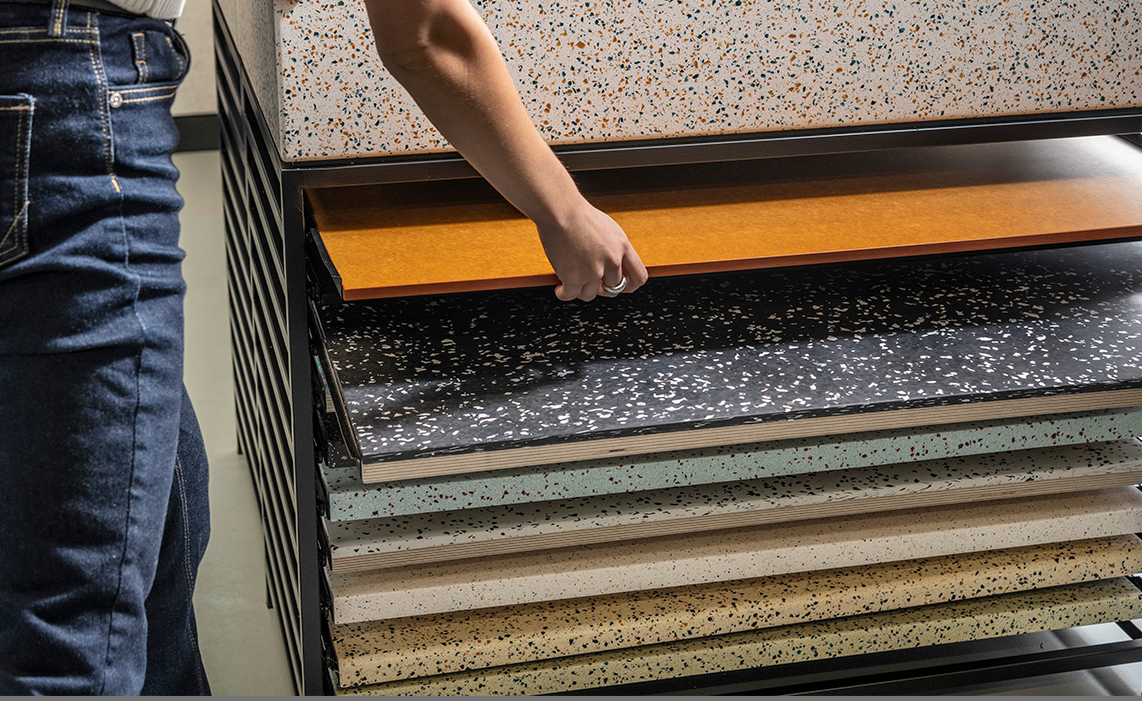
Exploring the Versatility of Surface Materials in Architectural Design
When discussing surface materials in the context of architecture and decorative materials, it is crucial to recognize their versatility and impact on both aesthetic and functional elements of design. Surface materials encompass a wide range of products, including finishes, coatings, and textures that can dramatically alter the look and feel of a space. Understanding the various types of surface ma
Read More →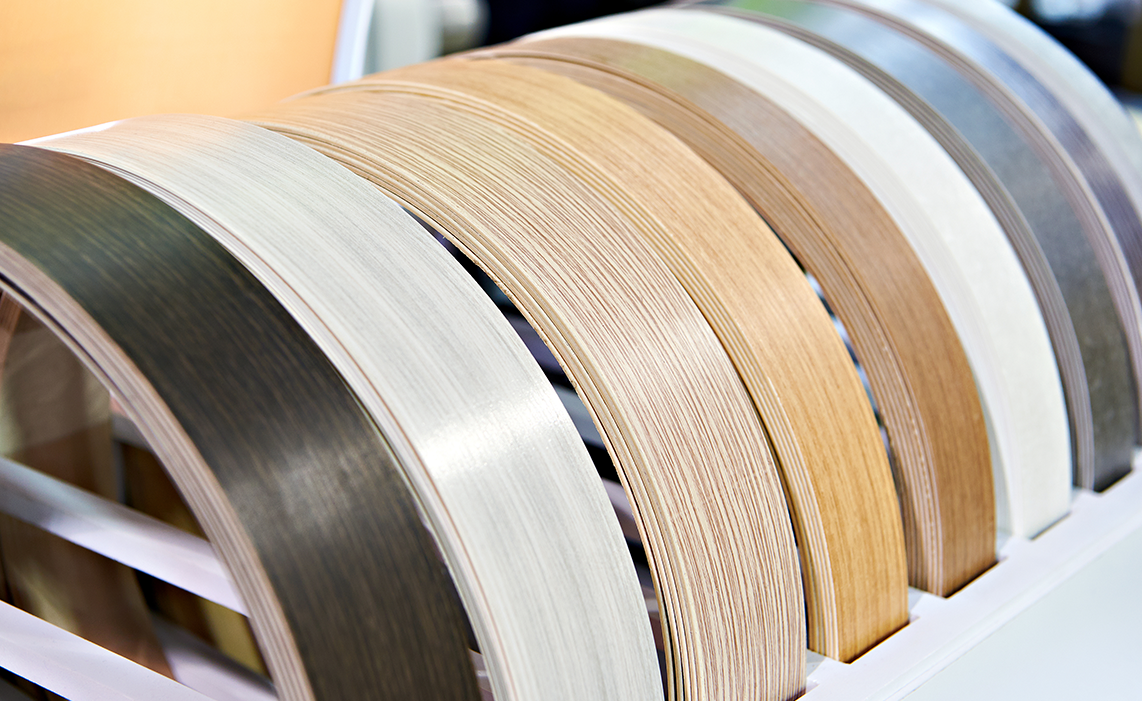
17 Apr,2026
DIY Home Projects Featuring PVC Edge Banding: A Creative Approach
DIY Home Projects Featuring PVC Edge Banding: A Creative Approach Table of Contents Introduction to PVC Edge Banding in DIY Projects What is PVC Edge Banding? Benefits of Using PVC Edge Banding Creative DIY Projects with PVC Edge Banding Edging Furniture for a Modern Look Enhancing Cabinetry with PVC Edge Banding Creating Wall Art and D
Read More →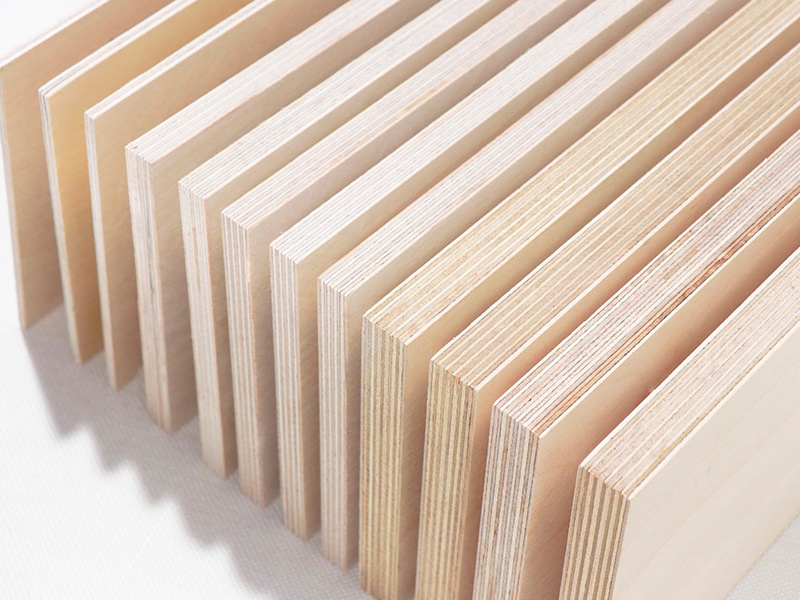
16 Apr,2026
Understanding Laminated Boards: Versatile Solutions for Modern Building and Decoration
Laminated boards are engineered products created by bonding together multiple layers of materials, typically wood, to form a solid, durable surface. The layers are often treated with adhesives and subjected to high pressure and heat, resulting in a product that is not only strong but also resistant to moisture, warping, and pests. This makes laminated boards an excellent choice for various applica
Read More →Contact Us
E-mail: devandecor@163.com
Add: NO.8 DONGHUAN RD,HENGLIN TOWN,WUJIN DISTRICT, CHANGZHOU ,JIANGSU,CHINA
Copyright © 2025 Changzhou Defan New Materials Co., Ltd. All rights reserved. www.300.cn SEO
Subscribe our newsletter
Welcome to leave us a message, we will reply to you as soon as possible