
Exploring the Versatility of Surface Materials in Architectural Design
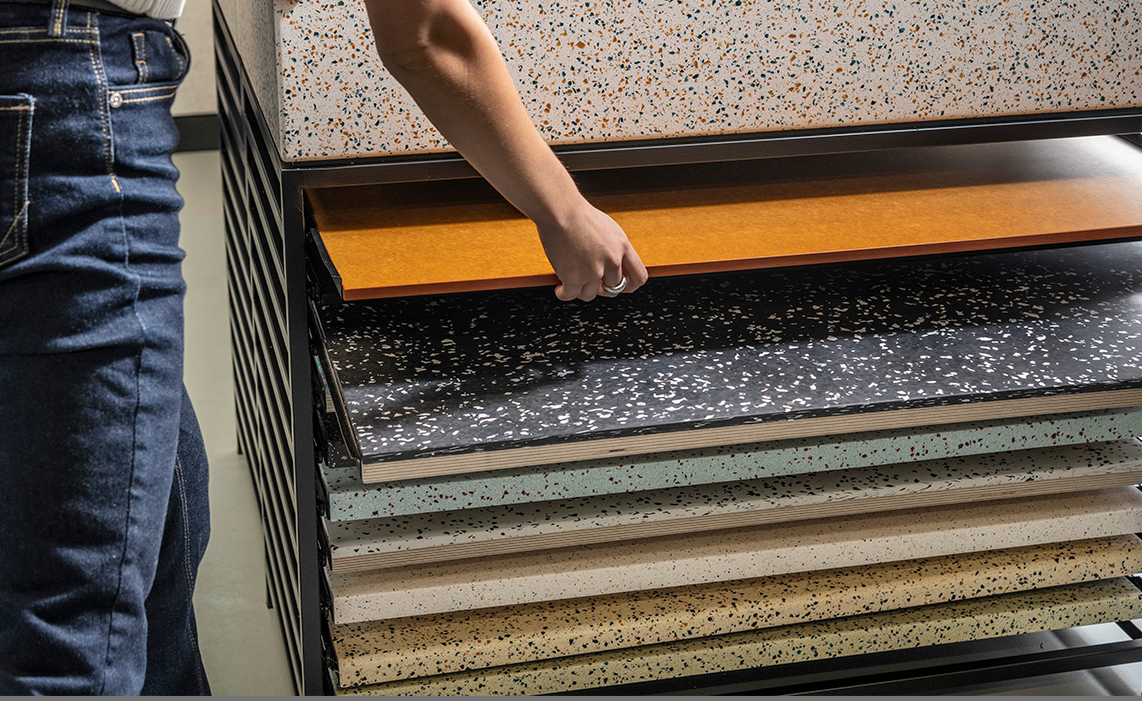
When discussing surface materials in the context of architecture and decorative materials, it is crucial to recognize their versatility and impact on both aesthetic and functional elements of design. Surface materials encompass a wide range of products, including finishes, coatings, and textures that can dramatically alter the look and feel of a space. Understanding the various types of surface ma
Release time:
18 Apr,2026
One of the primary considerations when selecting surface materials is their durability. High-performance materials resist wear and tear, especially in high-traffic areas. Materials such as engineered wood, stone composites, and ceramic tiles are popular choices due to their longevity and ease of maintenance. These materials not only extend the life of a project but also contribute to sustainability by reducing the need for frequent replacements.
In addition to durability, surface materials play a significant role in achieving specific aesthetic goals. Designers can use a combination of colors, patterns, and textures to create visually engaging environments. For example, polished concrete surfaces offer a modern industrial look, while textured wall panels can add depth and warmth to a room. The choice of surface materials can also impact lighting effects within a space, with reflective surfaces enhancing brightness and darker materials creating a cozy atmosphere.
Another important factor is the environmental impact of surface materials. With increasing awareness of sustainability, many manufacturers are now offering eco-friendly options. These materials, often made from recycled or responsibly sourced products, help reduce the carbon footprint of a project. For architects and decorators, selecting sustainable surface materials not only meets modern design criteria but also appeals to environmentally conscious clients.
Furthermore, technological advancements have led to the development of innovative surface materials that offer unique functionalities. For instance, self-cleaning surfaces are becoming more popular, providing added convenience for homeowners and businesses alike. Additionally, materials that can adapt to temperature changes or humidity can enhance comfort and energy efficiency in buildings.
In conclusion, the selection of surface materials is a critical aspect of architectural and decorative design. By understanding the diverse range of options available—considering factors such as durability, aesthetics, environmental impact, and innovative functionalities—designers can make informed decisions that elevate their projects. Whether you are revamping an existing space or embarking on new construction, incorporating the right surface materials can significantly enhance both the beauty and functionality of your design.
Latest Blog
18 Apr,2026
Exploring the Versatility of Surface Materials in Architectural Design
When discussing surface materials in the context of architecture and decorative materials, it is crucial to recognize their versatility and impact on both aesthetic and functional elements of design. Surface materials encompass a wide range of products, including finishes, coatings, and textures that can dramatically alter the look and feel of a space. Understanding the various types of surface ma
Read More →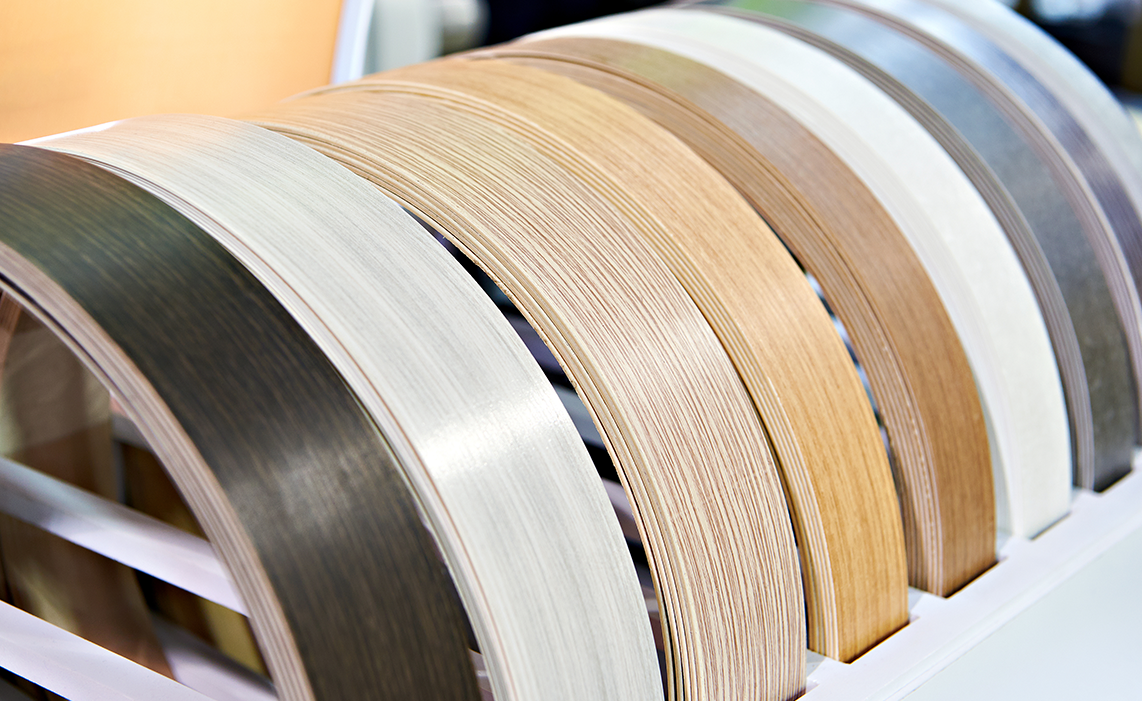
17 Apr,2026
DIY Home Projects Featuring PVC Edge Banding: A Creative Approach
DIY Home Projects Featuring PVC Edge Banding: A Creative Approach Table of Contents Introduction to PVC Edge Banding in DIY Projects What is PVC Edge Banding? Benefits of Using PVC Edge Banding Creative DIY Projects with PVC Edge Banding Edging Furniture for a Modern Look Enhancing Cabinetry with PVC Edge Banding Creating Wall Art and D
Read More →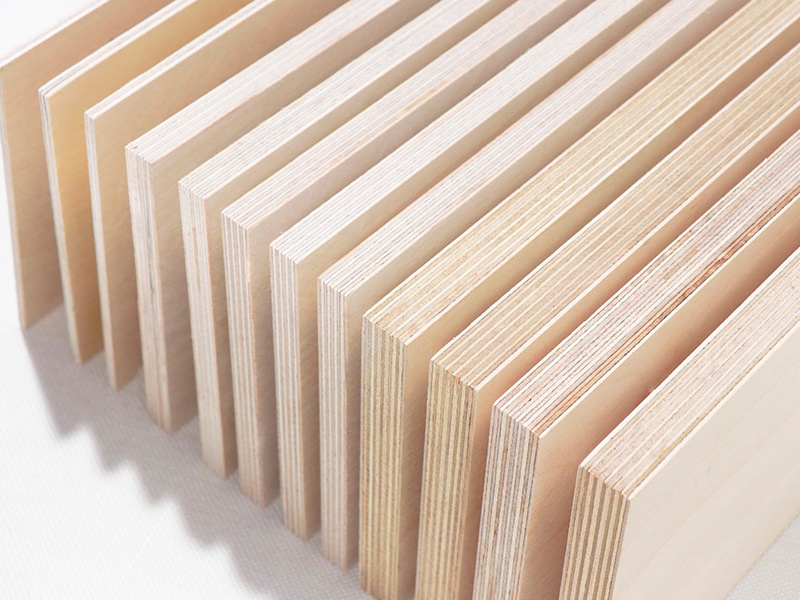
16 Apr,2026
Understanding Laminated Boards: Versatile Solutions for Modern Building and Decoration
Laminated boards are engineered products created by bonding together multiple layers of materials, typically wood, to form a solid, durable surface. The layers are often treated with adhesives and subjected to high pressure and heat, resulting in a product that is not only strong but also resistant to moisture, warping, and pests. This makes laminated boards an excellent choice for various applica
Read More →Contact Us
E-mail: devandecor@163.com
Add: NO.8 DONGHUAN RD,HENGLIN TOWN,WUJIN DISTRICT, CHANGZHOU ,JIANGSU,CHINA
Copyright © 2025 Changzhou Defan New Materials Co., Ltd. All rights reserved. www.300.cn SEO
Subscribe our newsletter
Welcome to leave us a message, we will reply to you as soon as possible