
PVC Edge Banding Maintenance: A Comprehensive Guide to Keeping Your Edges Looking Fresh
PVC Edge Banding Maintenance: A Comprehensive Guide to Keeping Your Edges Looking Fresh Table of Contents Introduction to PVC Edge Banding Benefits of Using PVC Edge Banding Essential Maintenance Tips for PVC Edge Banding Effective Cleaning Techniques for PVC Edge Banding Common Issues and How to Fix Them Preventative Measures for Long-Lasting Edge Banding When to Repl
Release time:
08 Mar,2026
PVC Edge Banding Maintenance: A Comprehensive Guide to Keeping Your Edges Looking Fresh
Table of Contents
- Introduction to PVC Edge Banding
- Benefits of Using PVC Edge Banding
- Essential Maintenance Tips for PVC Edge Banding
- Effective Cleaning Techniques for PVC Edge Banding
- Common Issues and How to Fix Them
- Preventative Measures for Long-Lasting Edge Banding
- When to Replace Your PVC Edge Banding
- Conclusion
- Frequently Asked Questions (FAQs)
Introduction to PVC Edge Banding
PVC edge banding is an essential component in the construction and finishing of furniture and cabinetry. It serves not only as a functional element but also as a decorative one, providing a polished look to the edges of wood panels. Over time, exposure to various elements can cause these edges to wear down or become damaged. Therefore, understanding proper maintenance techniques is crucial for preserving the aesthetic appeal and longevity of your furniture.
Benefits of Using PVC Edge Banding
PVC edge banding offers numerous advantages, making it a preferred choice among manufacturers and DIY enthusiasts alike.
Durability and Resistance
One of the most significant benefits of PVC edge banding is its **durability**. It is inherently resistant to moisture, chemicals, and heat, making it suitable for various environments, including kitchens and bathrooms. This resistance ensures that your edges remain intact and visually appealing over time.
Aesthetic Versatility
PVC edge banding comes in a wide range of colors, textures, and finishes, allowing it to seamlessly match different types of wood and laminate surfaces. This versatility enables homeowners to achieve their desired aesthetic without compromising on quality.
Cost-Effectiveness
Compared to other edge banding materials, such as solid wood or veneer, PVC edge banding is generally more **cost-effective**. Its affordability, combined with its long lifespan, makes it an excellent investment for both residential and commercial applications.
Essential Maintenance Tips for PVC Edge Banding
To ensure that your PVC edge banding remains pristine, it is essential to follow some basic maintenance tips:
Regular Inspections
Conduct regular inspections of your edge banding to identify any signs of wear and tear promptly. Look for peeling, discoloration, or any damage that may require immediate attention.
Gentle Cleaning
Always use gentle cleaning solutions and soft cloths when cleaning your PVC edge banding to avoid scratching or damaging the surface.
Temperature Control
Maintain a stable temperature in the areas where your furniture is located. Extreme temperatures can cause the PVC to expand or contract, leading to potential damage.
Effective Cleaning Techniques for PVC Edge Banding
Cleaning your PVC edge banding properly is crucial for maintaining its appearance. Here are some effective techniques:
Basic Cleaning Routine
For routine cleaning, a mixture of warm water and a mild detergent is often sufficient. Dip a soft cloth into the solution, wring it out, and gently wipe down the edges.
Spot Cleaning Stains
For tougher stains, a specialized PVC cleaner can be used. Apply a small amount to a cloth and rub gently until the stain is removed. Always test the cleaner on a small, inconspicuous area first to avoid discoloration.
Dealing with Scratches
If your PVC edge banding develops scratches, consider using a fine-grit sandpaper to buff them out gently. After sanding, clean the area with a damp cloth to remove any dust.
Common Issues and How to Fix Them
Despite its durability, PVC edge banding can encounter specific issues. Understanding how to address these problems is key to maintaining its appearance.
Peeling Edges
Peeling is a common issue that can occur due to heat or moisture exposure. To fix peeling edges, carefully apply a heat gun to the affected area, softening the adhesive beneath. Reattach the edge banding, ensuring it is pressed firmly to avoid future peeling.
Discoloration
Discoloration can arise from prolonged exposure to sunlight or harsh cleaning products. To minimize discoloration, avoid using abrasive cleaners and ensure your furniture is positioned away from direct sunlight whenever possible.
Uneven Edges
If you notice uneven edges, it may be due to improper installation. To rectify this, use a utility knife to trim the edges for a cleaner finish.
Preventative Measures for Long-Lasting Edge Banding
Taking preventative measures can significantly extend the lifespan of your PVC edge banding.
Avoiding Direct Heat
Keep your furniture away from direct heat sources, such as radiators or stovetops, to prevent the edge banding from warping or peeling.
Protective Coatings
Consider applying a protective coating designed for PVC materials. These coatings can provide an additional layer of protection against scratches and fading.
Proper Installation
Ensure professional installation or follow strict guidelines if installing the edge banding yourself. Proper installation limits the likelihood of future issues.
When to Replace Your PVC Edge Banding
Despite diligent maintenance, there may come a time when replacing your PVC edge banding becomes necessary. Signs that indicate a need for replacement include severe peeling, extensive discoloration, or significant damage that cannot be repaired.
Assessing Damage
Evaluate the extent of damage regularly. If repairs are frequent and labor-intensive, it may be more practical to replace the edge banding altogether.
Choosing Replacement Materials
When selecting replacement materials, consider not only the aesthetic but also the durability and compatibility with your existing furniture.
Conclusion
Maintaining PVC edge banding is essential for preserving the beauty and longevity of your furniture and cabinetry. With proper care, regular inspections, and effective cleaning techniques, you can keep your edges looking fresh and new for many years to come. By understanding common issues and implementing preventative measures, you can ensure your PVC edge banding remains a valuable asset in your home or business.
Frequently Asked Questions (FAQs)
1. How often should I clean my PVC edge banding?
It is advisable to clean your PVC edge banding at least once a month to prevent dirt and stains from accumulating.
2. Can I use bleach to clean PVC edge banding?
No, harsh chemicals like bleach can damage the surface of PVC edge banding. Stick to mild detergents and warm water.
3. Is it possible to repair peeling edge banding myself?
Yes, you can repair peeling edge banding yourself by using a heat gun to soften the adhesive and reattach the edges.
4. How can I prevent discoloration of my PVC edge banding?
To prevent discoloration, keep your furniture out of direct sunlight and avoid using abrasive cleaning products.
5. When should I consider replacing my edge banding?
If you notice severe damage, extensive peeling, or discoloration that cannot be cleaned, it may be time to replace your PVC edge banding.
Latest Blog
09 Mar,2026
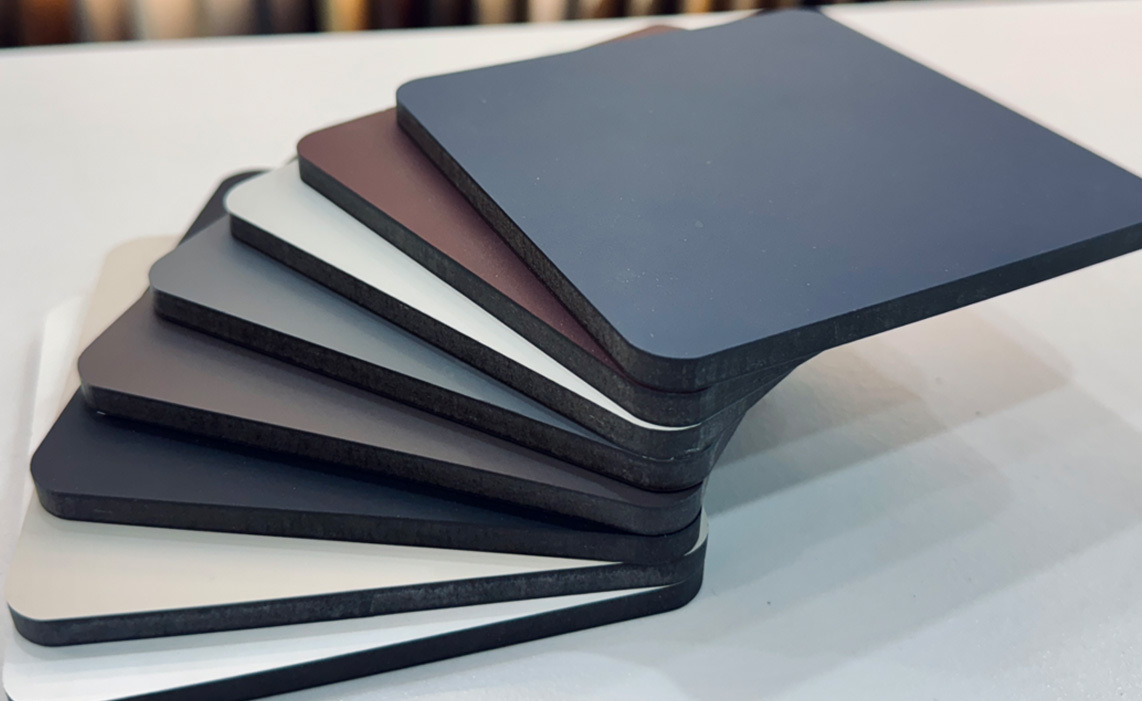
Exploring Innovative Surface Materials: Transforming Architectural Spaces
When it comes to surface materials in the construction and decoration industry, the choices are vast and varied. From traditional options like wood and stone to more modern innovations, understanding the characteristics and applications of these materials is crucial for professionals in the field. **Types of Surface Materials** 1. **Natural Materials**: Natural surface materials such as granite, m
Read More →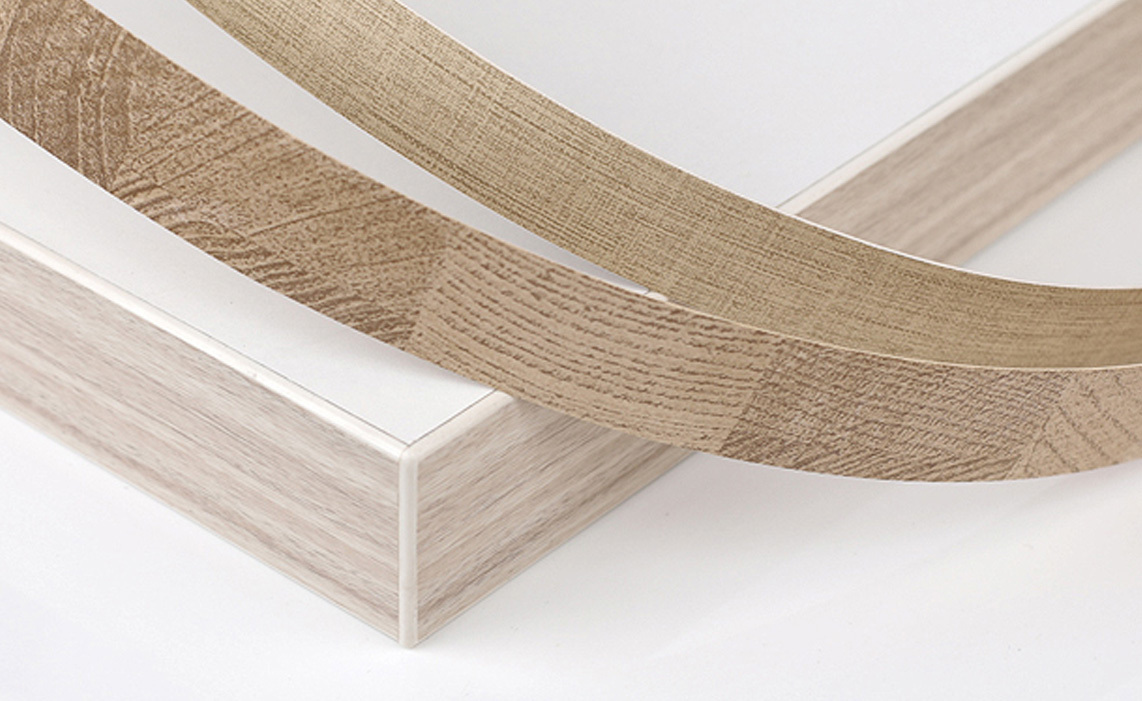
08 Mar,2026
PVC Edge Banding Maintenance: A Comprehensive Guide to Keeping Your Edges Looking Fresh
PVC Edge Banding Maintenance: A Comprehensive Guide to Keeping Your Edges Looking Fresh Table of Contents Introduction to PVC Edge Banding Benefits of Using PVC Edge Banding Essential Maintenance Tips for PVC Edge Banding Effective Cleaning Techniques for PVC Edge Banding Common Issues and How to Fix Them Preventative Measures for Long-Lasting Edge Banding When to Repl
Read More →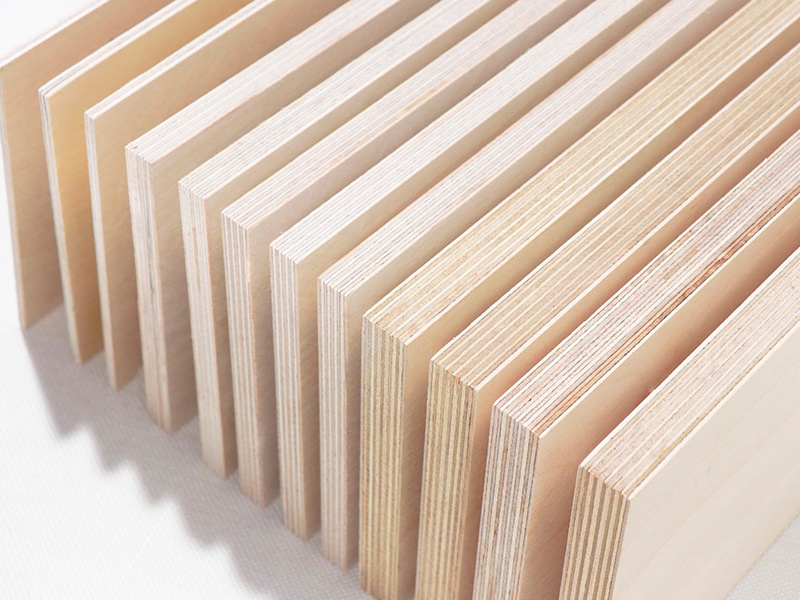
07 Mar,2026
Understanding Laminated Boards: A Comprehensive Guide for Construction and Decoration Professionals
Laminated boards are engineered products made by bonding together multiple layers of materials, typically wood or composite materials, under heat and pressure. This process results in a versatile product that offers enhanced strength, durability, and aesthetic appeal compared to solid wood or traditional panel materials. The composition of laminated boards often includes high-density fiberboard (H
Read More →Contact Us
Sales manager SUNNY LIU
+86 15751150508 (wechat、whatsapp)
E-mail: Sunny@devandecor.com
Add: NO.8 DONGHUAN RD,HENGLIN TOWN,WUJIN DISTRICT, CHANGZHOU ,JIANGSU,CHINA
Copyright © 2025 Changzhou Defan New Materials Co., Ltd. All rights reserved. www.300.cn SEO
Subscribe our newsletter
Welcome to leave us a message, we will reply to you as soon as possible