
Surface Material Trends: Embracing Natural Elements in Design
Surface Material Trends: Embracing Natural Elements in Design Table of Contents Introduction to Surface Material Trends The Importance of Natural Elements in Design Top Surface Materials Emphasizing Nature Wood as a Timeless Choice Stone Surface Materials for an Organic Feel Biodegradable Material Options Color Palettes Influen
Release time:
14 Mar,2026
Surface Material Trends: Embracing Natural Elements in Design
Table of Contents
- Introduction to Surface Material Trends
- The Importance of Natural Elements in Design
- Top Surface Materials Emphasizing Nature
- Wood as a Timeless Choice
- Stone Surface Materials for an Organic Feel
- Biodegradable Material Options
- Color Palettes Influenced by Nature
- Innovative Techniques to Showcase Natural Elements
- Sustainable Design Practices
- The Future of Surface Material Design
- FAQs About Natural Surface Materials
- Conclusion
Introduction to Surface Material Trends
In the world of architecture and interior design, the materials we select play a pivotal role in defining our spaces. As trends evolve, there's a noticeable shift towards embracing **natural elements** in surface materials. This article delves into the essence of these trends, highlighting how integrating organic textures and eco-friendly choices can transform environments into serene and sustainable sanctuaries.
With an increasing awareness of the environment and a desire for authenticity, designers are looking to nature for inspiration. The use of materials that mimic natural elements not only enhances aesthetic appeal but also fosters a sense of well-being. In the sections that follow, we will explore the various surface materials that champion this trend while discussing their benefits, applications, and the innovative techniques that bring them to life.
The Importance of Natural Elements in Design
Integrating natural elements into design provides numerous benefits. **Biophilic design**, which emphasizes the human connection to nature, is gaining traction as a key principle in contemporary architecture. By incorporating natural materials, designers can create spaces that promote relaxation, reduce stress, and improve overall well-being.
Additionally, using sustainable materials aligns with the growing emphasis on environmental responsibility. Consumers are increasingly considering the impact of their choices on the planet, leading to a demand for materials that are not only aesthetically pleasing but also environmentally friendly. This shift is revolutionizing the way we approach design, making natural elements a focal point.
Top Surface Materials Emphasizing Nature
When it comes to surface materials that embrace natural elements, several options stand out. Each of these materials brings unique qualities that enhance both the visual and tactile experiences of a space.
Wood as a Timeless Choice
Wood has been a staple in design for centuries, and its timeless appeal continues to resonate in modern interiors. The warmth and texture of wood add comfort and depth to any space. Whether used for flooring, cabinetry, or accent walls, wood can transform a room into a cozy retreat.
Sustainable sourcing is paramount when selecting wood materials. Reclaimed wood and certified sustainable options allow designers to achieve the desired aesthetic while minimizing environmental impact. The variety of finishes available—from rustic to sleek—ensures that wood can complement any design style.
Stone Surface Materials for an Organic Feel
Natural stone, with its inherent patterns and textures, brings an organic feel to surfaces. From granite to limestone, each type of stone offers unique characteristics that can enhance the aesthetic of a space. Stone is versatile enough to be used in various applications, including countertops, flooring, and wall cladding.
Incorporating stone into design also provides practical benefits. Stone is durable, easy to maintain, and can withstand the test of time, making it a wise investment for both residential and commercial spaces. Furthermore, its cooling properties can aid in temperature regulation, especially in warmer climates.
Biodegradable Material Options
As the push for sustainability continues to grow, biodegradable materials are emerging as a viable alternative in surface design. Options such as bamboo, cork, and hemp are not only eco-friendly but also aesthetic choices that reflect a commitment to the environment.
Bamboo, for instance, is a rapidly renewable resource that is both resilient and stylish. Its unique grain patterns and natural hues make it a popular choice for flooring and cabinetry. Cork, harvested from the bark of cork oak trees, offers a warm and soft underfoot feel, making it ideal for residential spaces.
Color Palettes Influenced by Nature
Color plays a crucial role in how we perceive spaces, and nature provides an endless palette of inspiration. Earthy tones such as greens, browns, and neutrals echo the natural world, creating serene and calming environments.
Incorporating these colors into surface materials can enhance the organic feel of a space. For instance, **deep forest greens** or **soft sandy beiges** can evoke a sense of tranquility reminiscent of the outdoors. By harmonizing color with texture, designers can create cohesive and inviting atmospheres that resonate with the beauty of nature.
Innovative Techniques to Showcase Natural Elements
To effectively integrate natural elements into design, innovative techniques are essential. One such technique is the use of **layering**. By combining different materials—like wood, stone, and textile—designers can create depth and visual interest.
Another approach is the use of **textured finishes**, which can mimic the feel of natural surfaces. For instance, textured wall finishes can emulate the appearance of stone or wood, enhancing the organic design without the associated maintenance of natural materials.
Incorporating **indoor plants** also serves to bridge the gap between the interior and exterior, further enhancing the natural vibe. Vertical gardens, living walls, and potted plants not only purify the air but also create a lush, inviting atmosphere.
Sustainable Design Practices
Sustainability is at the forefront of modern design, influencing the selection of materials and practices. Utilizing locally sourced materials reduces transportation emissions and supports local economies. Additionally, opting for materials with a low environmental impact—such as recycled or rapidly renewable options—can significantly enhance the sustainability of a project.
Incorporating energy-efficient practices, such as utilizing natural light and optimizing insulation, further complements the use of natural materials. This holistic approach to design not only benefits the environment but also creates healthier spaces for occupants.
The Future of Surface Material Design
Looking ahead, the integration of natural elements in surface materials is expected to continue growing. With advancements in technology, we can anticipate the emergence of innovative materials that mimic the aesthetic qualities of nature while offering enhanced durability and sustainability.
Moreover, the rise of **smart materials**, which adapt to environmental changes, will likely play a significant role in future designs. These materials can provide dynamic responses that enhance the functionality of spaces while maintaining a strong connection to the natural world.
As consumers become more discerning and demand eco-conscious options, designers will need to prioritize materials that reflect their values. This focus on authenticity and sustainability will shape the future of surface material design.
FAQs About Natural Surface Materials
1. What are the benefits of using natural materials in design?
Natural materials provide aesthetic appeal, promote well-being, and can enhance a space's longevity and sustainability.
2. How do I choose sustainable materials for my project?
Look for materials that are locally sourced, rapidly renewable, or made from recycled content. Certifications like FSC (Forest Stewardship Council) can also guide your choices.
3. Are natural materials more expensive than synthetic options?
While some natural materials may have a higher upfront cost, their durability and timeless appeal can lead to long-term savings.
4. How do I maintain natural surface materials?
Maintenance largely depends on the material. Generally, regular cleaning and occasional sealing or refinishing are recommended for wood and stone.
5. Can I mix different natural materials in my design?
Absolutely! Mixing materials can create visual interest and depth, but it's essential to maintain a cohesive color palette and design style.
Conclusion
Embracing natural elements in surface materials is not merely a trend but a significant shift towards sustainability and well-being in design. As we reflect on the importance of materials in shaping our environments, it's clear that integrating organic textures, eco-friendly choices, and innovative design techniques can create spaces that resonate with the beauty of nature.
By focusing on sustainable practices and celebrating the unique characteristics of natural materials, we can craft interiors that not only appeal to the eye but also nurture the soul. As we move forward, let us continue to draw inspiration from nature, ensuring that our designs remain timeless, authentic, and connected to the world around us.
Latest Blog

28 Apr,2026
Understanding Laminated Boards: An Essential Material in Modern Construction and Decoration
Laminated boards, also known as engineered wood products, are made by binding together layers of wood veneers or particles with adhesives. This manufacturing process results in a product that exhibits enhanced strength and stability compared to traditional solid wood. One of the key advantages of laminated boards is their resistance to warping and splitting, making them ideal for use in environmen
Read More →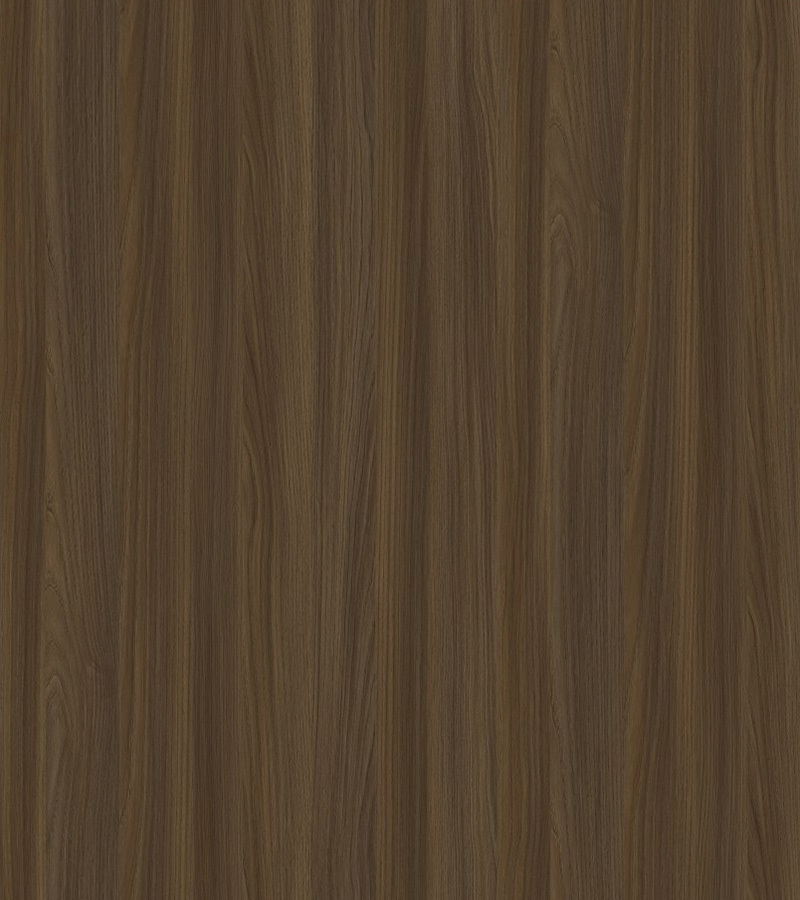
24 Apr,2026
Understanding Impregnated Paper: A Versatile Material for Building and Decorative Applications
Impregnated paper is a specialized material that has gained traction in the building and decorative materials sector due to its exceptional versatility and functionality. This unique product is made by saturating paper with resins or other binding agents, which enhances its durability, moisture resistance, and overall performance. Here, we delve into the characteristics, applications, and advantag
Read More →
23 Apr,2026
Innovative Surface Material Applications in Commercial Spaces: Transforming Design and Functionality
Innovative Surface Material Applications in Commercial Spaces Introduction to Surface Materials in Commercial Design In the ever-evolving world of architecture and interior design, **surface materials** play a pivotal role in defining the aesthetics and functionality of commercial spaces. As businesses strive to create environments that are not only visually appealing but also practical and sustai
Read More →Contact Us
E-mail: devandecor@163.com
Add: NO.8 DONGHUAN RD,HENGLIN TOWN,WUJIN DISTRICT, CHANGZHOU ,JIANGSU,CHINA
Copyright © 2025 Changzhou Defan New Materials Co., Ltd. All rights reserved. www.300.cn SEO
Subscribe our newsletter
Welcome to leave us a message, we will reply to you as soon as possible