
Innovative Surface Material Applications in Commercial Spaces: Transforming Design and Functionality
Innovative Surface Material Applications in Commercial Spaces Introduction to Surface Materials in Commercial Design In the ever-evolving world of architecture and interior design, **surface materials** play a pivotal role in defining the aesthetics and functionality of commercial spaces. As businesses strive to create environments that are not only visually appealing but also practical and sustai
Release time:
23 Apr,2026
Innovative Surface Material Applications in Commercial Spaces
Introduction to Surface Materials in Commercial Design
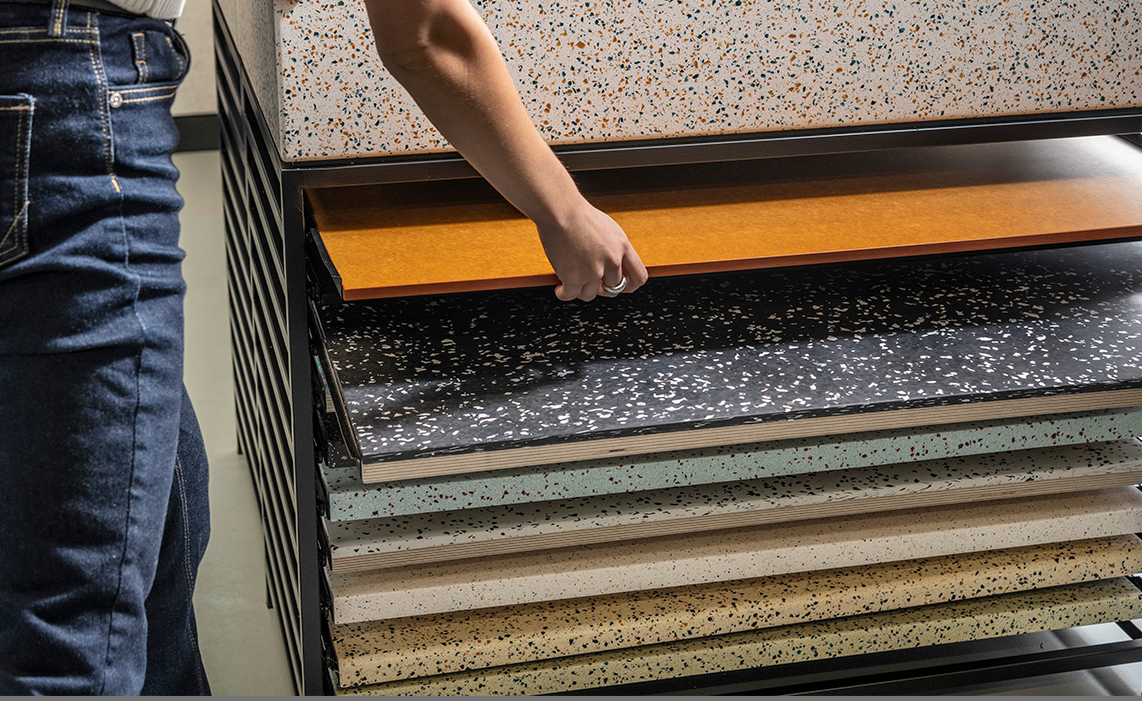
In the ever-evolving world of architecture and interior design, **surface materials** play a pivotal role in defining the aesthetics and functionality of commercial spaces. As businesses strive to create environments that are not only visually appealing but also practical and sustainable, the demand for **innovative surface material applications** continues to rise. This article delves into the latest trends, technologies, and applications of surface materials that are revolutionizing commercial design.
Understanding the Importance of Surface Materials
Surface materials are more than just a visual element in design; they have significant implications for **durability**, **maintenance**, and **environmental impact**. The right material can enhance the overall experience of a space, influencing how customers and employees interact with their surroundings. In commercial settings, where high foot traffic and usability are paramount, the choice of surface materials can make or break the functionality of a space.
The Role of Surface Materials in Branding
For many businesses, the interior design of their commercial space is an extension of their brand identity. **Surface materials** can convey a brand's values, mission, and personality. For instance, a tech company may opt for sleek, modern materials like glass and metal to reflect innovation, while a wellness center might choose organic materials that promote a sense of calm and connection to nature. Understanding how to harness surface materials for branding can significantly impact customer perception and loyalty.
Trends in Innovative Surface Materials
The landscape of surface materials is constantly shifting, with new innovations emerging to meet the demands of modern design. Here are some of the most notable trends in innovative surface materials applicable to commercial spaces:
1. Sustainable and Eco-Friendly Materials
Sustainability has become a top priority in commercial design. Many businesses are turning to **eco-friendly surface materials** that minimize environmental impact. Options like recycled glass, reclaimed wood, and bio-based composites not only reduce waste but also showcase a commitment to sustainability. These materials can create stunning visual effects while appealing to eco-conscious consumers.
2. Smart Materials and Technologies
The integration of technology into surface materials is on the rise, leading to the development of **smart materials** that adapt to their environment. For example, surfaces with embedded sensors can monitor foot traffic, adjust lighting, or even change color to enhance mood. These innovations provide a dynamic experience in commercial spaces, making them more interactive and engaging for users.
3. Textured and 3D Surfaces
Gone are the days of flat, monotonous surfaces. The trend towards **textured and 3D surfaces** is gaining traction, offering depth and interest to commercial spaces. From raised patterns to intricate designs, these surfaces can create unique visual experiences that draw customers in and encourage exploration. They also have practical benefits, such as improving acoustics or providing slip resistance.
4. High-Performance Materials
Durability is essential in commercial environments, and high-performance materials are designed to withstand the rigors of daily use. These materials are often resistant to scratches, stains, and moisture, ensuring that commercial spaces maintain their aesthetic appeal over time. Innovations such as nanotechnology have led to the creation of coatings that enhance the performance of traditional materials, making them more resilient.
Applications of Innovative Surface Materials in Different Commercial Spaces
Understanding the application of innovative surface materials in various commercial settings is crucial for maximizing their benefits. Here are some specific applications across different industries:
1. Retail Spaces
In retail, first impressions matter. Innovative surface materials can create captivating displays that attract customers and enhance product presentation. For example, interactive touchscreen displays can be integrated into retail environments, allowing customers to engage with products in a unique way. Additionally, materials that reflect the brand's identity can create a cohesive and memorable shopping experience.
2. Hospitality and Restaurant Design
The hospitality industry thrives on creating inviting atmospheres. Here, materials that evoke warmth and comfort are essential. Innovative surface applications such as acoustic panels can enhance sound quality, while textured wall coverings add visual interest. Furthermore, surfaces that are easy to clean and maintain are crucial in restaurant settings, ensuring hygiene and convenience.
3. Office Spaces
The modern office is evolving into a space that prioritizes well-being and productivity. Innovative surface materials can help achieve this by creating collaborative areas, soundproof zones, and biophilic designs that incorporate nature. Materials like cork and bamboo not only provide aesthetic appeal but also contribute to a healthier indoor environment.
4. Healthcare Facilities
In healthcare settings, hygiene and functionality are paramount. Innovative surface materials that are antimicrobial and easy to clean are essential for maintaining patient safety. Additionally, surfaces that reduce noise and improve lighting can enhance the overall experience for both patients and staff, creating a more calming atmosphere.
5. Educational Institutions
Schools and universities are increasingly recognizing the impact of their environments on learning. Innovative surface materials can contribute to engaging and inspiring spaces. Flexible furniture with integrated technology and surfaces that promote collaboration can transform classrooms into dynamic learning environments.
Challenges and Considerations in Selecting Surface Materials
While the benefits of innovative surface materials are numerous, there are challenges to consider when selecting the right options for commercial spaces:
1. Cost vs. Quality
Balancing budget constraints with the desire for high-quality materials can be challenging. Investing in innovative surfaces may lead to higher upfront costs, but the long-term benefits of durability and reduced maintenance should be factored into the decision-making process.
2. Aesthetic vs. Functionality
It's essential to find the right balance between aesthetics and functionality. While visually striking materials can enhance the overall design, they must also serve practical purposes. Understanding the specific needs of the space will guide material selection to ensure both beauty and usability.
3. Sustainability Considerations
As sustainability becomes a focal point in design, the sourcing and production processes of surface materials must be scrutinized. Designers should seek out materials that not only boast eco-friendly credentials but also consider the entire lifecycle of the product.
FAQs About Innovative Surface Material Applications in Commercial Spaces
1. What are the benefits of using innovative surface materials in commercial spaces?
Innovative surface materials enhance aesthetics, improve functionality, promote sustainability, and contribute to brand identity in commercial spaces.
2. How do sustainable materials impact commercial design?
Sustainable materials reduce environmental impact and resonate with eco-conscious customers, potentially increasing brand loyalty and customer satisfaction.
3. Can smart materials be integrated into existing commercial spaces?
Yes, many smart materials can be retrofitted into existing spaces, enhancing interactivity and user experience without a complete redesign.
4. What are some examples of high-performance materials?
Examples of high-performance materials include quartz countertops, laminated safety glass, and advanced composites designed for durability and ease of maintenance.
5. How do I choose the right surface material for my commercial space?
Consider factors such as aesthetics, functionality, durability, sustainability, and budget when selecting surface materials for commercial spaces.
Conclusion
The application of innovative surface materials in commercial spaces is transforming the design landscape, providing unique opportunities for businesses to enhance their environments. From sustainability to smart technologies, these materials are not just about aesthetics; they are integral to functionality, brand identity, and user experience. As we continue to explore and embrace these innovations, commercial spaces will evolve into dynamic and engaging environments that inspire and captivate. Embracing this change will not only benefit businesses but also create spaces that resonate with their customers and employees alike.
Latest Blog
23 Apr,2026
Innovative Surface Material Applications in Commercial Spaces: Transforming Design and Functionality
Innovative Surface Material Applications in Commercial Spaces Introduction to Surface Materials in Commercial Design In the ever-evolving world of architecture and interior design, **surface materials** play a pivotal role in defining the aesthetics and functionality of commercial spaces. As businesses strive to create environments that are not only visually appealing but also practical and sustai
Read More →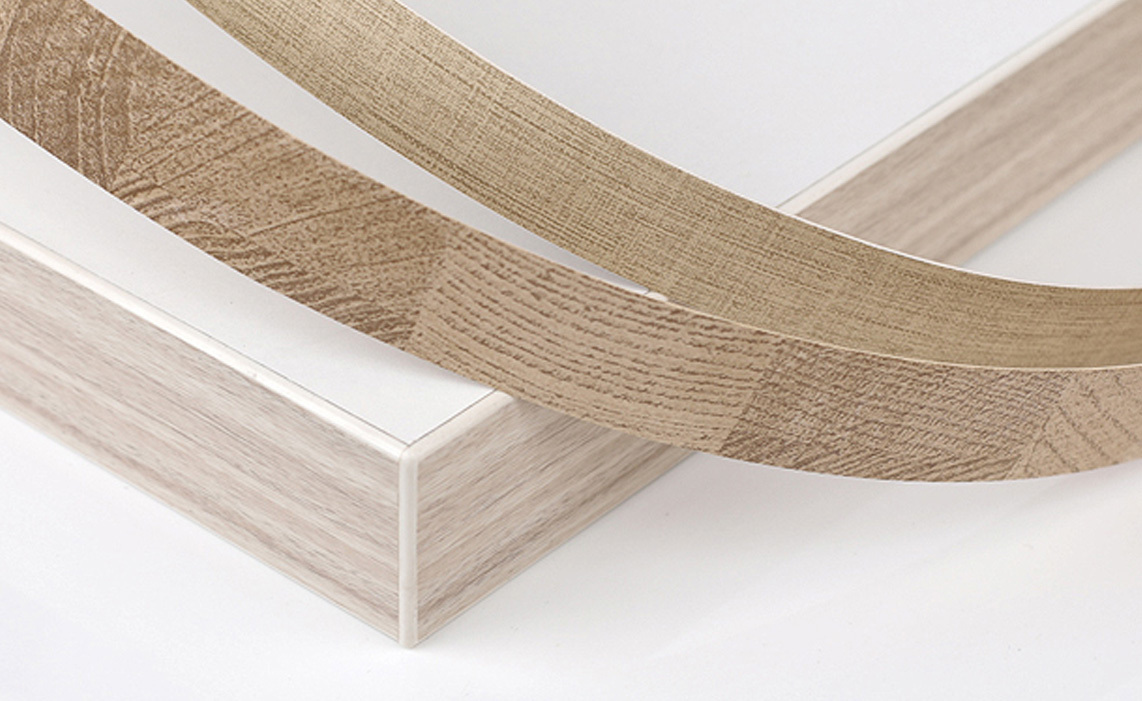
22 Apr,2026
Understanding PVC Edge Banding: A Practical Guide for Building and Decoration Professionals
PVC edge banding is a versatile material widely used in the building and decoration sectors. It is primarily utilized to cover the exposed edges of particle board, MDF, or plywood, providing a finished look while protecting these edges from moisture, wear, and damage. Understanding its properties and applications can significantly enhance the quality and longevity of your projects. One of the most
Read More →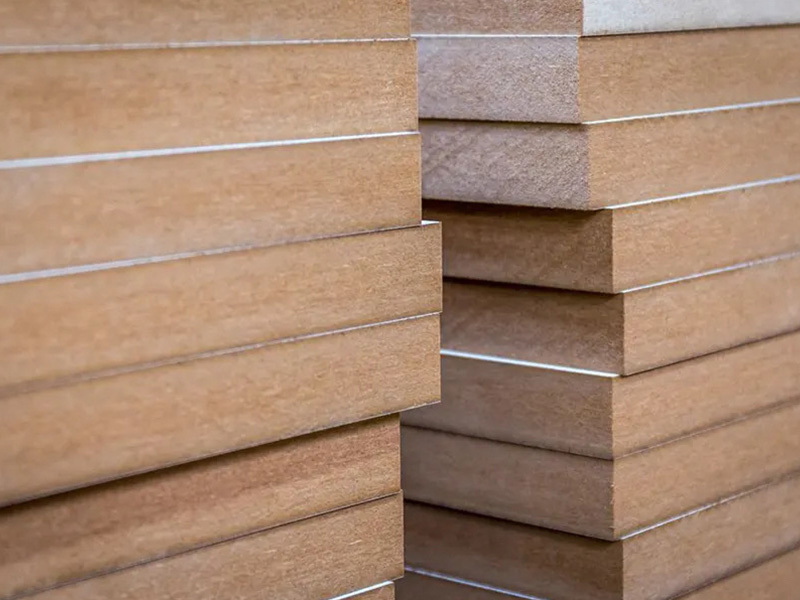
21 Apr,2026
Creative Ways to Incorporate Laminated Boards in Your Living Space
Creative Ways to Incorporate Laminated Boards in Your Living Space Table of Contents 1. Introduction to Laminated Boards 2. Benefits of Using Laminated Boards in Home Design 3. Laminated Boards in the Living Room 1. Stylish Furniture made from Laminated Boards 2. Decorative Wall Panels with Laminated Boards 4. Incorporating Laminated Boards in the Kitchen 1. Laminated Cabi
Read More →Contact Us
E-mail: devandecor@163.com
Add: NO.8 DONGHUAN RD,HENGLIN TOWN,WUJIN DISTRICT, CHANGZHOU ,JIANGSU,CHINA
Copyright © 2025 Changzhou Defan New Materials Co., Ltd. All rights reserved. www.300.cn SEO
Subscribe our newsletter
Welcome to leave us a message, we will reply to you as soon as possible