
Exploring the Versatility of Surface Materials in Architectural Design
Surface materials are a vital component in the field of architecture and decoration, influencing not only the visual appeal of a space but also its functionality and sustainability. These materials encompass a wide range of options, including wood, metal, glass, ceramics, and composite materials, each with unique properties and applications. One of the key considerations when selecting surface mat
Release time:
08 Apr,2026
One of the key considerations when selecting surface materials is their durability. In high-traffic areas, for instance, materials must withstand wear and tear while maintaining their aesthetic quality. Additionally, the choice of surface material can significantly affect the acoustic performance of a space. For example, softer surface materials like carpets or acoustic panels can help absorb sound, creating a quieter environment, while harder surfaces may reflect sound and increase noise levels.
Another important aspect of surface materials is their contribution to sustainability. As the demand for eco-friendly building solutions grows, many manufacturers are focusing on developing materials that have a lower environmental impact. This includes the use of recycled materials, low-VOC finishes, and sustainably sourced natural resources. By choosing sustainable surface materials, architects and designers can contribute to greener building practices and help reduce the overall carbon footprint of their projects.
In addition to functionality, surface materials also play a significant role in the aesthetic experience of a space. The texture, color, and finish of a surface material can dramatically alter the perception of a room. For example, using natural wood finishes can bring warmth and character to a space, while sleek, polished metals can create a modern, minimalist look. The interplay of various materials can be used to create striking contrasts or harmonious blends, allowing designers to express their creativity and meet the specific needs of their clients.
Moreover, advancements in technology are paving the way for innovative surface materials that enhance design flexibility. Digital printing techniques, for example, allow for the customization of surfaces with intricate patterns and designs, providing endless possibilities for personalization. This trend is particularly popular in commercial spaces and hospitality design, where unique branding and a memorable experience are paramount.
In conclusion, surface materials are a crucial element in architectural design, offering a blend of functionality, sustainability, and aesthetic appeal. By understanding the various properties and applications of these materials, architects and designers can make informed decisions that enhance the overall quality of their projects. Whether creating a cozy residential environment or a cutting-edge commercial space, the right surface materials can significantly impact the success of any design endeavor.
Latest Blog
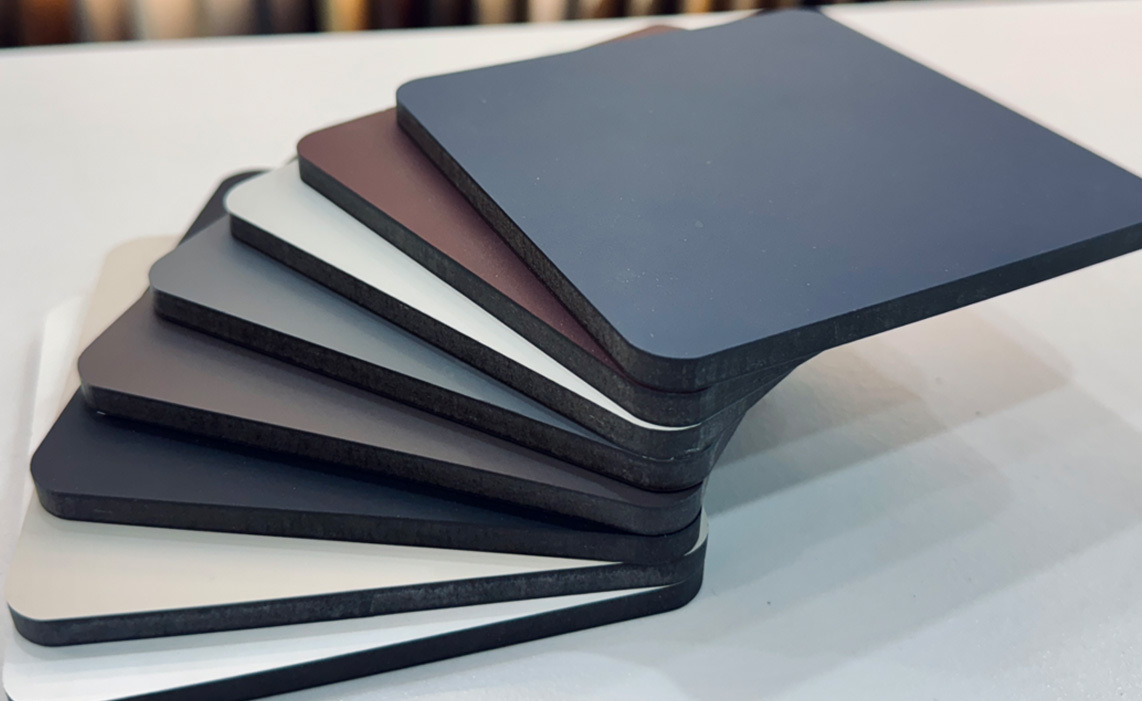
08 Apr,2026
Exploring the Versatility of Surface Materials in Architectural Design
Surface materials are a vital component in the field of architecture and decoration, influencing not only the visual appeal of a space but also its functionality and sustainability. These materials encompass a wide range of options, including wood, metal, glass, ceramics, and composite materials, each with unique properties and applications. One of the key considerations when selecting surface mat
Read More →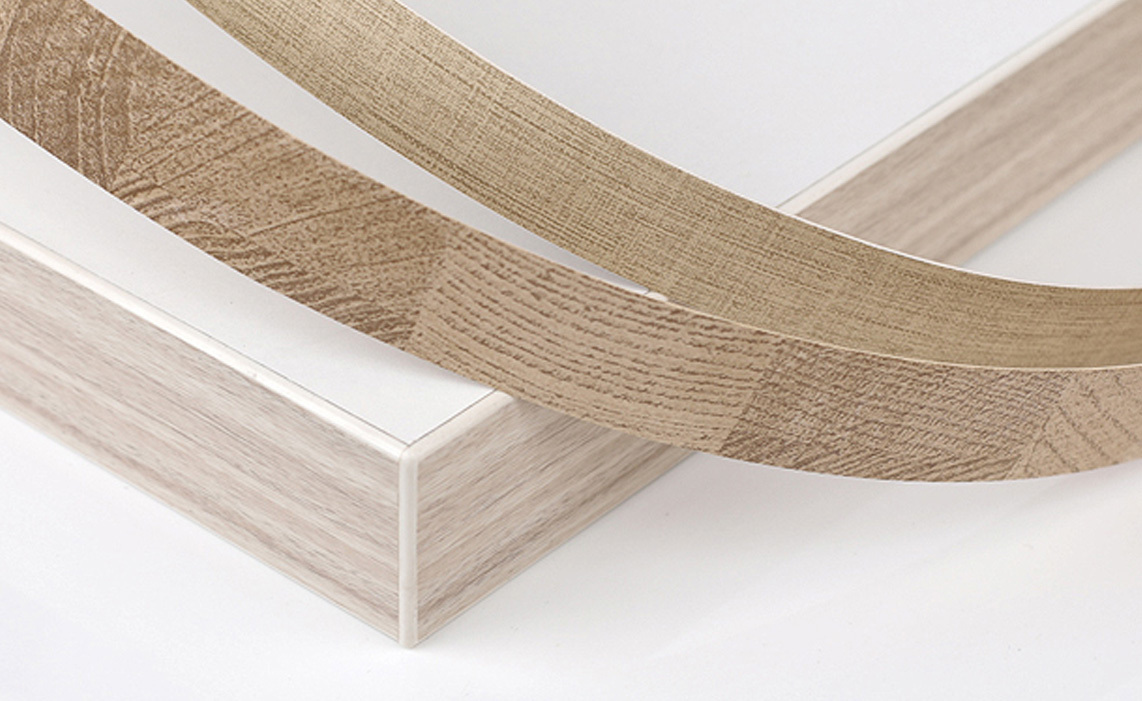
07 Apr,2026
How to Seamlessly Match PVC Edge Banding with Diverse Wood Types
How to Seamlessly Match PVC Edge Banding with Diverse Wood Types Table of Contents 1. Introduction to PVC Edge Banding 2. Understanding Edge Banding and Its Importance 3. Overview of PVC Edge Banding Materials 4. Different Types of Wood and Their Characteristics 5. Techniques for Matching PVC Edge Banding with Wood 5.1 Color Matching 5.2 Grain
Read More →
06 Apr,2026
The Versatility and Advantages of Laminated Boards in Construction and Decoration
Laminated boards, a popular choice in the construction and decoration materials sector, are engineered products made by bonding together layers of material, typically wood or high-density fiberboard, with adhesives under heat and pressure. This manufacturing process imparts several advantages, making laminated boards an attractive option for both residential and commercial design projects. One of
Read More →Contact Us
E-mail: devandecor@163.com
Add: NO.8 DONGHUAN RD,HENGLIN TOWN,WUJIN DISTRICT, CHANGZHOU ,JIANGSU,CHINA
Copyright © 2025 Changzhou Defan New Materials Co., Ltd. All rights reserved. www.300.cn SEO
Subscribe our newsletter
Welcome to leave us a message, we will reply to you as soon as possible