
The Essential Guide to PVC Edge Banding: Enhancing Durability and Aesthetics in Interior Design
PVC Edge Banding has become a popular choice in the building and decorative materials industry, particularly for those involved in furniture manufacturing and interior design. This material is primarily used to cover the exposed edges of particleboard, MDF, or plywood, providing a seamless and polished appearance that can significantly enhance the overall aesthetic of any project. One of the stan
Release time:
12 Apr,2026
One of the standout features of PVC Edge Banding is its durability. Unlike traditional wood edge banding, PVC is resistant to moisture, chemicals, and scratches, making it an excellent option for environments that may experience wear and tear, such as kitchens and bathrooms. Its waterproof properties prevent delamination and warping, ensuring that the edges remain intact and visually appealing for a longer duration.
In addition to its durability, PVC Edge Banding is available in a wide range of colors, textures, and finishes, allowing designers and builders to match or complement the surfaces of their projects. Whether you are aiming for a sleek, modern look or a more traditional finish, there is a PVC edge banding option that can meet your aesthetic needs. This versatility makes it a favorite among interior designers and architects, as it can easily adapt to various design themes.
The installation process for PVC Edge Banding is relatively straightforward, making it accessible for both professionals and DIY enthusiasts. Typically, the edge banding is applied using adhesives or heat-activated glue, ensuring a secure bond. For best results, it is important to properly align the edge banding with the material edge and to apply consistent pressure during the application. Once attached, trimming excess material can create a clean finish that enhances the overall look of the piece.
Aside from its functional benefits, PVC Edge Banding also contributes to sustainability in design. Many manufacturers produce PVC edge banding from recycled materials, making it an environmentally friendly option in the realm of building and decorative materials. This aligns with the growing trend towards sustainable practices in the industry, appealing to environmentally conscious consumers.
In conclusion, PVC Edge Banding is an essential component for anyone involved in the building and decorative materials sector. Its durability, aesthetic versatility, ease of installation, and sustainability make it an ideal choice for enhancing furniture and cabinetry. By incorporating PVC Edge Banding into your projects, you can achieve a professional look while ensuring longevity and performance, making it a worthy investment in your design toolkit.
Latest Blog
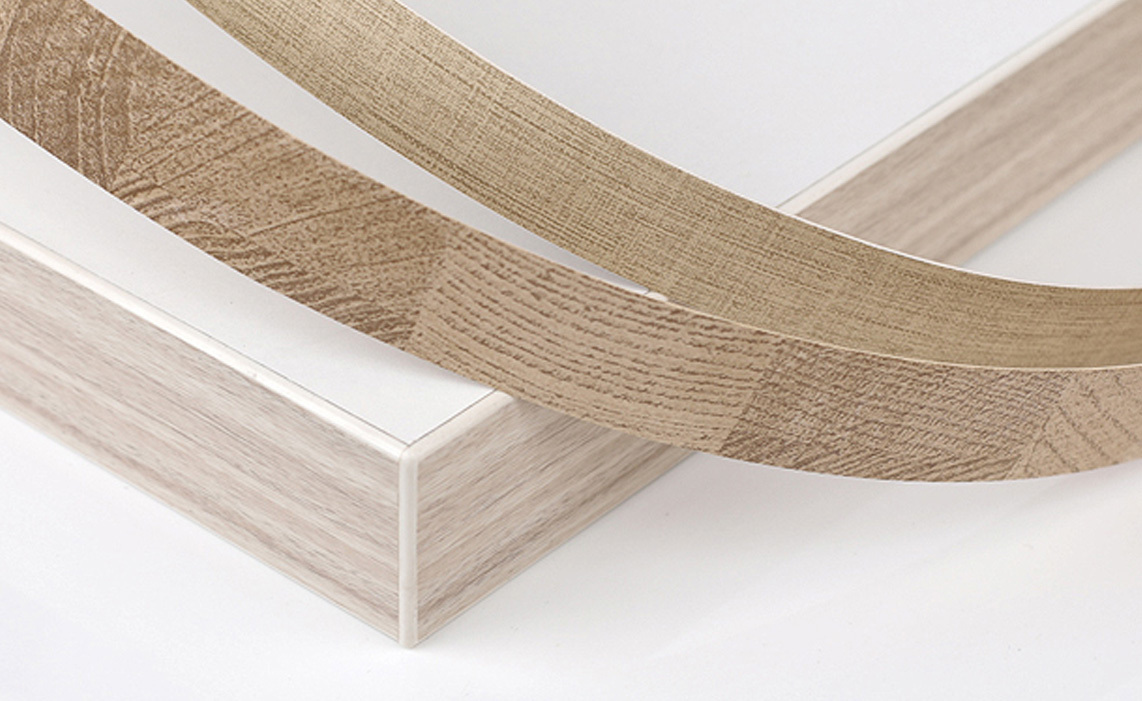
12 Apr,2026
The Essential Guide to PVC Edge Banding: Enhancing Durability and Aesthetics in Interior Design
PVC Edge Banding has become a popular choice in the building and decorative materials industry, particularly for those involved in furniture manufacturing and interior design. This material is primarily used to cover the exposed edges of particleboard, MDF, or plywood, providing a seamless and polished appearance that can significantly enhance the overall aesthetic of any project. One of the stan
Read More →
11 Apr,2026
Laminated Boards: The Unsung Hero of Modern Construction Materials
Laminated Boards: The Unsung Hero of Modern Construction Materials Table of Contents 1. Introduction to Laminated Boards 2. What Are Laminated Boards? 3. The Manufacturing Process of Laminated Boards 3.1 Raw Materials Used in Laminated Boards 3.2 Steps in the Laminating Process 4. Benefits of Using Laminated Boards in Construction 4.1 Durability and Strength 4.2 Aesthetic Versatili
Read More →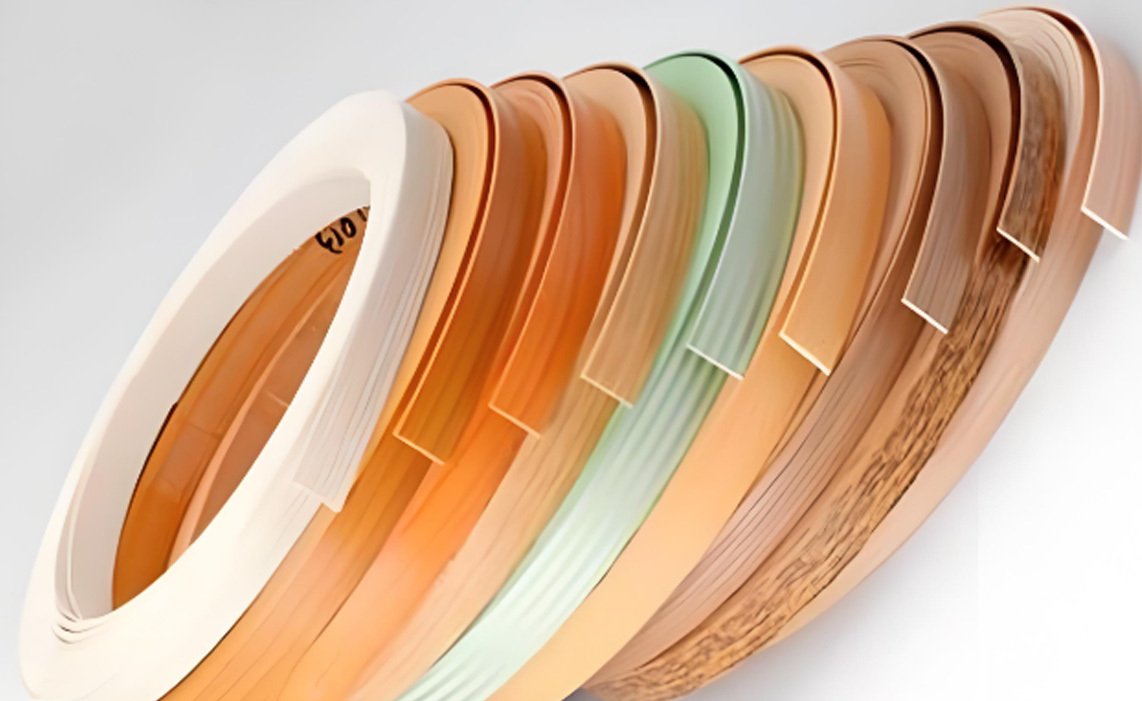
10 Apr,2026
Essential Insights on PVC Edge Banding Strips for Panel Finishing
PVC edge banding strips are essential components in the realm of panel finishing, particularly for professionals in the construction and decorative materials industry. These strips are designed to cover the exposed edges of panels, thereby enhancing their aesthetics and durability. As a versatile and cost-effective solution, PVC edge banding is increasingly favored for various applications, includ
Read More →Contact Us
E-mail: devandecor@163.com
Add: NO.8 DONGHUAN RD,HENGLIN TOWN,WUJIN DISTRICT, CHANGZHOU ,JIANGSU,CHINA
Copyright © 2025 Changzhou Defan New Materials Co., Ltd. All rights reserved. www.300.cn SEO
Subscribe our newsletter
Welcome to leave us a message, we will reply to you as soon as possible