
Exploring the Versatility and Innovation of Surface Materials in Architecture
Surface materials play a crucial role in the overall design and functionality of architectural spaces. These materials not only contribute to the visual appeal but also influence the durability, maintenance, and sustainability of structures. As innovation continues to drive the industry, the selection of surface materials has become more diverse, encompassing a wide range of textures, finishes, an
Release time:
10 May,2026
One of the most significant trends in surface materials is the shift towards eco-friendly options. With an increasing emphasis on sustainability, architects and designers are prioritizing materials that are not only visually striking but also environmentally responsible. Recycled materials, low-VOC (volatile organic compounds) finishes, and sustainably sourced products are gaining popularity. This trend not only reduces the environmental impact but also appeals to a growing segment of eco-conscious consumers.
Additionally, advancements in technology have paved the way for innovative surface materials that offer enhanced performance features. For example, self-cleaning surfaces are becoming more common, utilizing advanced coatings that repel dirt and grime. This technology not only eases maintenance but also extends the lifespan of the materials, making them a cost-effective choice in the long run. Furthermore, the rise of smart materials, which can change properties in response to environmental conditions, is revolutionizing the way architects approach design.
The aesthetic versatility of surface materials is another key factor driving their popularity. From sleek and modern to rustic and traditional, the variety of available finishes allows for endless design possibilities. Materials like ceramic tiles, engineered stone, and wood laminates can be tailored to suit specific architectural styles, enhancing the overall coherence of a space. Additionally, the integration of digital printing technology enables customized designs that cater to individual preferences, further expanding the creative potential of surface materials.
When selecting surface materials for a project, it is essential to consider factors such as durability, maintenance requirements, and the intended use of the space. For high-traffic areas, materials that can withstand wear and tear while maintaining their aesthetic appeal are crucial. On the other hand, spaces designated for relaxation or social interaction may benefit from softer textures and warmer finishes that create a welcoming atmosphere.
In conclusion, the landscape of surface materials in architecture is continually evolving, driven by trends in sustainability, technology, and design versatility. By understanding the various options available and their respective benefits, professionals in the construction and decoration industry can make informed decisions that enhance both the aesthetic and functional aspects of their projects. Embracing these innovations will not only elevate the quality of work but also contribute to creating spaces that resonate with the values and preferences of modern occupants.
Latest Blog

23 Jun,2026
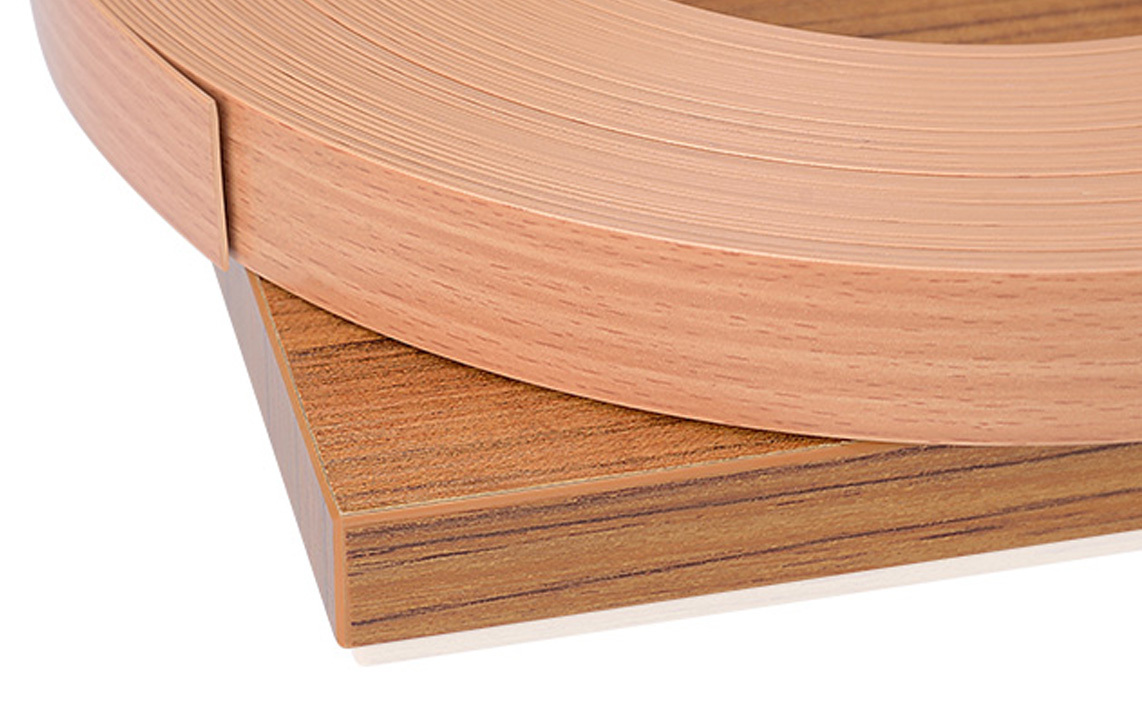
Understanding the Manufacturing Process of PVC Edge Banding Strips: A Comprehensive Guide
Understanding the Manufacturing Process of PVC Edge Banding Strips A Deep Dive into PVC Edge Banding Strips PVC edge banding strips are crucial components in the furniture and cabinetry industry, used to cover the exposed edges of panel materials. These strips not only enhance the aesthetic appeal of furniture but also serve to protect the underlying materials from damage, moisture, and wear. Unde
Read More →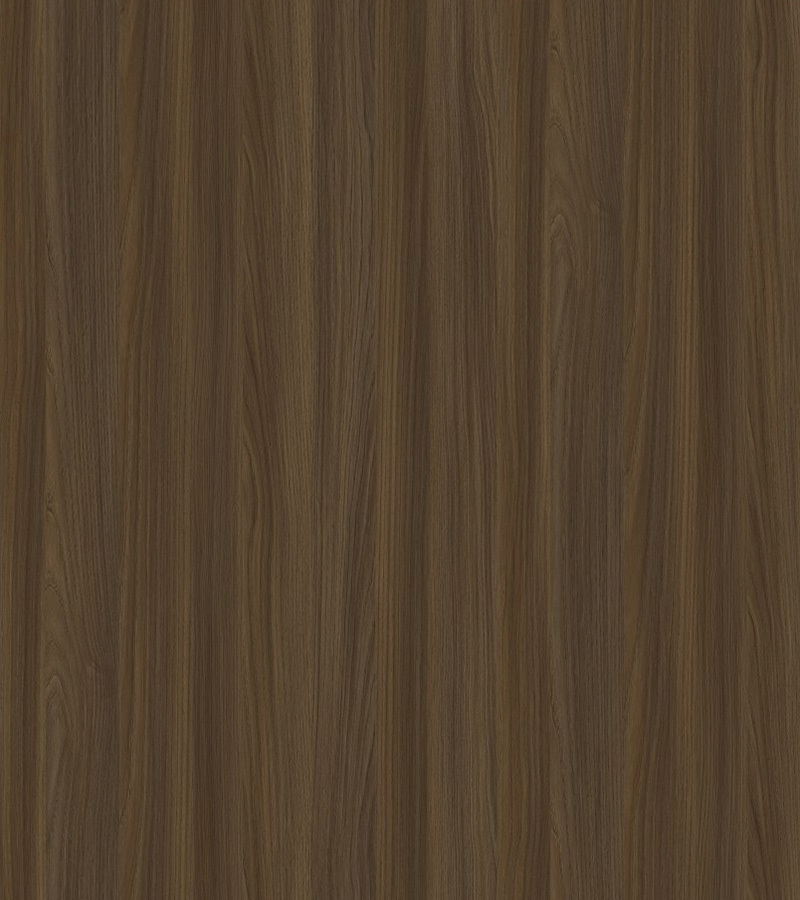
18 Jun,2026
Understanding Impregnated Paper: A Versatile Material for Building and Decorative Applications
Impregnated paper is a specialized type of paper that has been treated with chemical resins or other materials to enhance its physical properties. This process makes it a robust and versatile choice for a range of applications, particularly in the fields of construction and interior design. Understanding its characteristics and potential uses can greatly benefit professionals in the building and d
Read More →Contact Us
E-mail: devandecor@163.com
Add: NO.8 DONGHUAN RD,HENGLIN TOWN,WUJIN DISTRICT, CHANGZHOU ,JIANGSU,CHINA
Copyright © 2025 Changzhou Defan New Materials Co., Ltd. All rights reserved. www.300.cn SEO
Subscribe our newsletter
Welcome to leave us a message, we will reply to you as soon as possible