
Understanding the Manufacturing Process of PVC Edge Banding Strips: A Comprehensive Guide
Understanding the Manufacturing Process of PVC Edge Banding Strips A Deep Dive into PVC Edge Banding Strips PVC edge banding strips are crucial components in the furniture and cabinetry industry, used to cover the exposed edges of panel materials. These strips not only enhance the aesthetic appeal of furniture but also serve to protect the underlying materials from damage, moisture, and wear. Unde
Release time:
23 Jun,2026
Understanding the Manufacturing Process of PVC Edge Banding Strips
A Deep Dive into PVC Edge Banding Strips
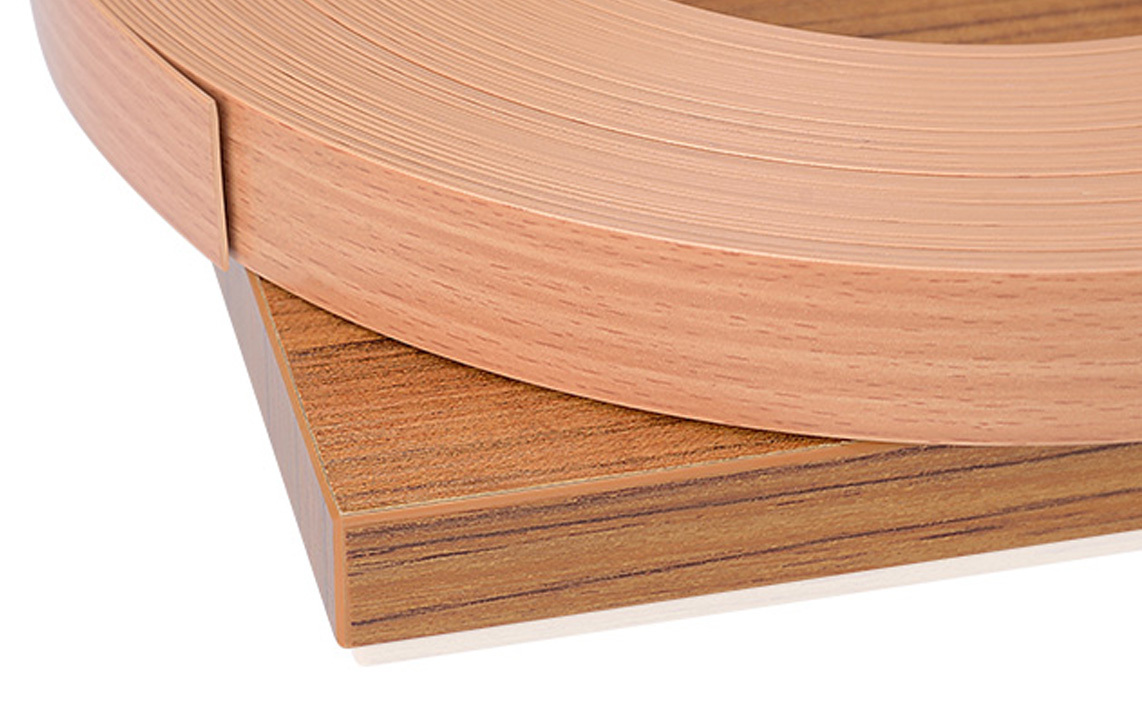
PVC edge banding strips are crucial components in the furniture and cabinetry industry, used to cover the exposed edges of panel materials. These strips not only enhance the aesthetic appeal of furniture but also serve to protect the underlying materials from damage, moisture, and wear. Understanding the manufacturing processes involved in creating these strips helps stakeholders in the industry make informed decisions regarding quality, cost, and sustainability.
Table of Contents
- What is PVC Edge Banding?
- Importance of PVC Edge Banding Strips in Furniture Making
- Materials Used in Manufacturing PVC Edge Banding Strips
- Overview of the Manufacturing Process
- Quality Control Measures in Manufacturing
- Sustainability in PVC Manufacturing
- The Future of PVC Edge Banding Strips
- Frequently Asked Questions
What is PVC Edge Banding?
PVC (Polyvinyl Chloride) edge banding strips are thin pieces of PVC material that are adhered to the edges of panel materials, such as particleboard, MDF (Medium Density Fiberboard), or plywood. This process conceals raw edges and creates a polished finish, enhancing both the durability and aesthetic value of the furniture.
Importance of PVC Edge Banding Strips in Furniture Making
In modern furniture design, aesthetics and functionality go hand in hand. PVC edge banding strips provide several benefits:
- **Protection Against Damage**: They shield panel edges from chipping and damage, prolonging the lifespan of furniture pieces.
- **Moisture Resistance**: PVC is inherently moisture-resistant, making it ideal for environments such as kitchens and bathrooms.
- **Versatile Aesthetic Options**: Available in various colors, textures, and finishes, PVC edge banding can complement any design style.
- **Cost-Effective Solution**: Compared to solid wood edging, PVC edge banding is a more economical option, offering attractive finishes at a lower cost.
Materials Used in Manufacturing PVC Edge Banding Strips
The manufacturing process of PVC edge banding involves several key materials:
- **PVC Resin**: The primary component, which provides flexibility and durability.
- **Additives**: Various additives are used to enhance properties such as UV resistance, color stability, and fire resistance. These include plasticizers, stabilizers, and pigments.
- **Recyclable Materials**: Many manufacturers are transitioning to using recycled PVC to promote sustainability.
Overview of the Manufacturing Process
The manufacturing of PVC edge banding strips involves a series of highly technical processes designed to ensure high quality and efficiency.
The Extrusion Process
The initial step in manufacturing PVC edge banding strips is the extrusion process:
1. **Compounding**: The PVC resin is mixed with additives to enhance its properties.
2. **Melting and Extruding**: The compounded material is heated and forced through a die to form a continuous strip.
3. **Cooling**: The extruded strip is cooled, often using air or water, to solidify the shape.
This process allows for the production of strips in various thicknesses and widths, catering to diverse industry needs.
Lamination Techniques
Post-extrusion, various lamination techniques can be employed:
- **Single Layer Lamination**: A basic method where a single layer of PVC is applied to the core material.
- **Multi-Layer Lamination**: This technique involves layering different materials to create enhanced durability and aesthetic appeal.
Laminated edge banding strips can offer better resistance to wear and tear, making them ideal for high-traffic furniture.
Cutting and Finishing Processes
Once the strips are extruded and laminated, they undergo cutting and finishing processes:
1. **Cutting**: The continuous strips are cut into desired lengths, ensuring precision for installation.
2. **Finishing**: Additional treatments may be applied, such as sanding, surface treatment, or coating, to enhance appearance and durability.
These steps are crucial in delivering a product that meets high industry standards.
Quality Control Measures in Manufacturing
Quality control is paramount in the manufacturing of PVC edge banding strips. Rigorous testing ensures that the end product meets industry standards and customer expectations. Key quality control measures include:
- **Material Testing**: Each batch of raw material undergoes testing for consistency and quality.
- **Dimensional Checks**: Regular inspections for size and thickness ensure the strips fit perfectly during application.
- **Durability Testing**: Edge banding strips are subjected to various stress tests to determine their resistance to wear and environmental factors.
These measures help guarantee that only the best products reach the market.
Sustainability in PVC Manufacturing
With increasing environmental concerns, the PVC industry is shifting towards sustainable practices. Key initiatives include:
- **Recycled Materials**: Utilizing recycled PVC reduces waste and lowers the carbon footprint of the manufacturing process.
- **Eco-Friendly Additives**: Many manufacturers are adopting environmentally friendly additives that do not compromise product quality.
- **Energy-Efficient Processes**: Implementing energy-efficient machinery and processes helps in reducing the overall energy consumption during manufacturing.
These efforts contribute to a more sustainable future for the industry and its consumers.
The Future of PVC Edge Banding Strips
As the market continues to evolve, several trends are shaping the future of PVC edge banding strips:
- **Innovation in Materials**: Advancements in material science may lead to the development of even more durable and sustainable options.
- **Customization**: The demand for personalized furniture pieces is driving manufacturers to offer more customizable edge banding solutions.
- **Smart Technologies**: Integration of smart technologies into manufacturing processes could improve efficiency and product quality.
Staying ahead of these trends is essential for manufacturers seeking to maintain a competitive edge in the industry.
Frequently Asked Questions
1. What are PVC edge banding strips used for?
PVC edge banding strips are primarily used to cover the edges of panel materials in furniture and cabinetry to enhance aesthetics and protect against damage.
2. How are PVC edge banding strips made?
The manufacturing process involves compounding PVC resin with additives, extruding the mixture into strips, and finishing with cutting and laminating techniques.
3. Are PVC edge banding strips environmentally friendly?
Many manufacturers are adopting sustainable practices, including using recycled materials and eco-friendly additives, making them a more environmentally responsible choice.
4. How do I choose the right edge banding strip for my project?
Consider the thickness, color, texture, and durability of the strips, as well as the intended use of the furniture or cabinetry.
5. Can PVC edge banding be used in wet environments?
Yes, PVC edge banding is moisture-resistant, making it suitable for use in kitchens and bathrooms.
Conclusion
Understanding the manufacturing process of PVC edge banding strips is essential for anyone involved in the furniture industry. From the initial extrusion to quality control measures, every step is designed to produce a high-quality product that meets the demands of modern consumers. As sustainability becomes increasingly important, the industry is adapting, ensuring that PVC edge banding strips remain a viable choice for the future. By staying informed about the manufacturing processes and trends, stakeholders can make educated decisions that enhance both the integrity and aesthetic appeal of their furniture projects.
Latest Blog

23 Jun,2026
Understanding the Manufacturing Process of PVC Edge Banding Strips: A Comprehensive Guide
Understanding the Manufacturing Process of PVC Edge Banding Strips A Deep Dive into PVC Edge Banding Strips PVC edge banding strips are crucial components in the furniture and cabinetry industry, used to cover the exposed edges of panel materials. These strips not only enhance the aesthetic appeal of furniture but also serve to protect the underlying materials from damage, moisture, and wear. Unde
Read More →
18 Jun,2026
Understanding Impregnated Paper: A Versatile Material for Building and Decorative Applications
Impregnated paper is a specialized type of paper that has been treated with chemical resins or other materials to enhance its physical properties. This process makes it a robust and versatile choice for a range of applications, particularly in the fields of construction and interior design. Understanding its characteristics and potential uses can greatly benefit professionals in the building and d
Read More →Contact Us
E-mail: devandecor@163.com
Add: NO.8 DONGHUAN RD,HENGLIN TOWN,WUJIN DISTRICT, CHANGZHOU ,JIANGSU,CHINA
Copyright © 2025 Changzhou Defan New Materials Co., Ltd. All rights reserved. www.300.cn SEO
Subscribe our newsletter
Welcome to leave us a message, we will reply to you as soon as possible