
The Cost-Effectiveness of Impregnated Paper in Construction: A Detailed Analysis
The Cost-Effectiveness of Impregnated Paper in Construction Impregnated paper has emerged as a formidable player in the construction materials landscape. Its versatility and cost-effectiveness make it a preferred choice among builders and architects alike. This article delves deep into the myriad advantages of impregnated paper, its applications in construction, and how it can lead to substantial
Release time:
13 May,2026
The Cost-Effectiveness of Impregnated Paper in Construction
Impregnated paper has emerged as a formidable player in the construction materials landscape. Its versatility and cost-effectiveness make it a preferred choice among builders and architects alike. This article delves deep into the myriad advantages of impregnated paper, its applications in construction, and how it can lead to substantial savings without compromising quality.
Understanding Impregnated Paper: What Is It?
Impregnated paper is a composite material made by infusing traditional paper with synthetic resins or other binding agents. This process enhances the paper's durability, water resistance, and overall strength, making it suitable for various construction applications.
The Manufacturing Process of Impregnated Paper
The manufacturing of impregnated paper involves several steps:
1. **Selection of Raw Materials**: High-quality paper is chosen, often made from wood pulp or recycled materials.
2. **Impregnation**: The selected paper is treated with resins, which penetrate the fibers, providing enhanced properties.
3. **Curing**: The impregnated paper is then cured under controlled conditions, ensuring that the resin bonds effectively with the paper fibers. This step is crucial for achieving the desired durability and performance.
Properties of Impregnated Paper
Impregnated paper is known for its:
- **Water Resistance**: It is highly resistant to moisture, making it ideal for environments prone to dampness.
- **Chemical Resistance**: The resin treatment offers protection against various chemicals, ensuring longevity in industrial applications.
- **Aesthetic Appeal**: Available in a range of colors and textures, impregnated paper can enhance the visual appeal of any project.
Applications of Impregnated Paper in Construction
The versatility of impregnated paper allows it to be used in various construction applications:
1. Wall Panels
Impregnated paper is often used in wall panel production, providing a durable and aesthetically pleasing surface. Its resistance to moisture makes it an ideal choice for bathrooms and kitchens.
2. Flooring
In flooring applications, impregnated paper can be utilized in laminate flooring, offering a robust and water-resistant finish. Its durability ensures that it withstands heavy foot traffic without significant wear.
3. Decorative Elements
Architects and interior designers frequently use impregnated paper for decorative features, such as ceiling tiles and moldings. The material's versatility allows for creative designs without sacrificing strength.
Cost-Effectiveness of Using Impregnated Paper
One of the most significant advantages of impregnated paper is its cost-effectiveness. Here’s how it stands out:
1. Reduced Material Costs
Impregnated paper materials are often more affordable than traditional alternatives, such as wood or high-quality plastic composites. This reduction in initial costs can lead to significant savings on large projects.
2. Long-Term Durability
While the initial investment may be lower, the long-term durability of impregnated paper means fewer replacements and repairs are needed. This durability translates into lower maintenance costs over time.
3. Energy Efficiency
The insulation properties of impregnated paper can contribute to better energy efficiency in buildings. This characteristic can lead to reduced heating and cooling costs, further enhancing its cost-effectiveness.
Environmental Considerations
In an age where sustainability is paramount, impregnated paper shines as an environmentally friendly option in construction. The following factors contribute to its green credentials:
1. Recyclability
Many impregnated papers are made from recycled materials and can themselves be recycled, reducing waste in landfills.
2. Reduced Carbon Footprint
The production process of impregnated paper can contribute to a lower carbon footprint when compared to other building materials, such as concrete or steel.
3. Sustainable Sourcing
Using sustainably sourced materials for the paper production helps to ensure that the environmental impact is minimized.
FAQs About Impregnated Paper in Construction
1. Is impregnated paper waterproof?
Yes, impregnated paper is highly water-resistant, making it suitable for various wet environments.
2. How does impregnated paper compare to traditional wood in terms of cost?
Impregnated paper often has a lower initial cost than traditional wood, along with reduced maintenance expenses due to its durability.
3. Can impregnated paper be used outdoors?
Impregnated paper is generally more suitable for indoor applications, but specific treatments can enhance its outdoor durability.
4. What industries benefit from using impregnated paper?
Construction, furniture manufacturing, and interior design industries are among those that benefit significantly from impregnated paper.
5. How do I maintain surfaces made from impregnated paper?
Surfaces can be maintained through regular cleaning with mild detergents and avoiding harsh chemicals that may degrade the material over time.
Conclusion: The Future of Impregnated Paper in Construction
The cost-effectiveness of impregnated paper in the construction industry is undeniable. Its combination of durability, aesthetic appeal, and environmental sustainability makes it a smart choice for builders seeking to achieve quality without overspending. As the demand for innovative and efficient building materials continues to grow, impregnated paper will likely play an increasingly prominent role in shaping the future of construction practices. Embracing this versatile material not only enhances project outcomes but also contributes to a more sustainable built environment.
Latest Blog

14 May,2026
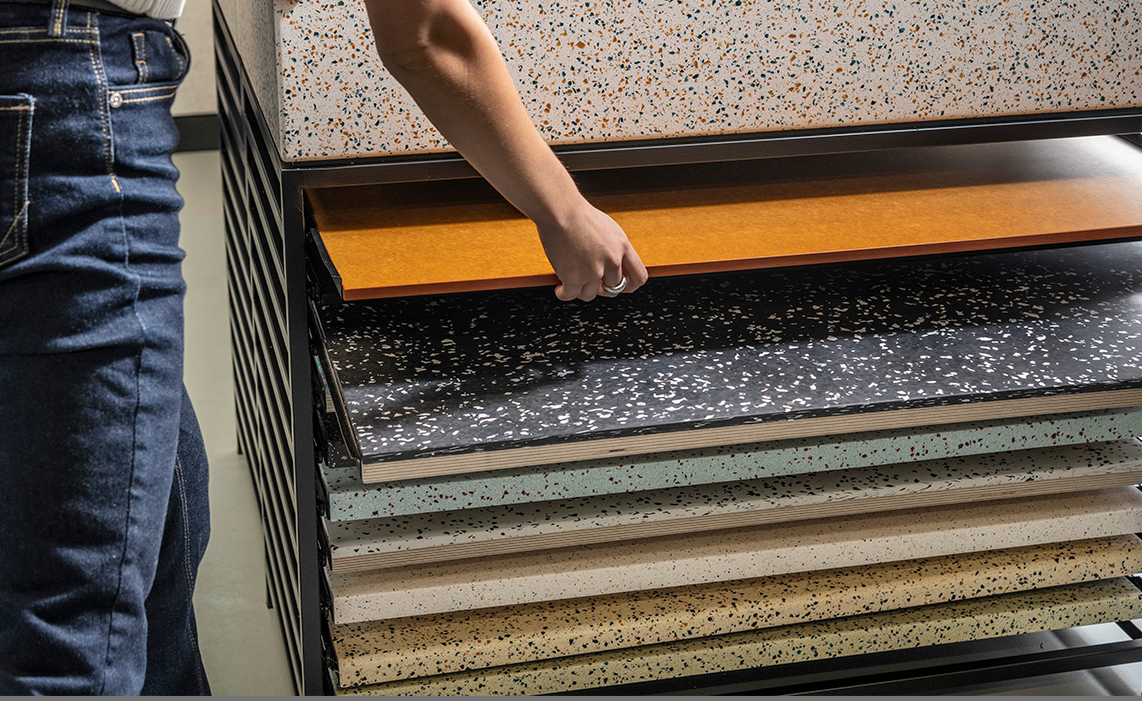
Surface Materials That Tell a Story: Incorporating History into Design
Surface Materials That Tell a Story: Incorporating History into Design Introduction: The Narrative Power of Surface Materials In design, surface materials play an essential role in shaping not only the aesthetics of a space but also the narrative it conveys. Each texture, color, and finish can tell a story—evoking memories, emotions, and even a sense of belonging. As we delve into the world of sur
Read More →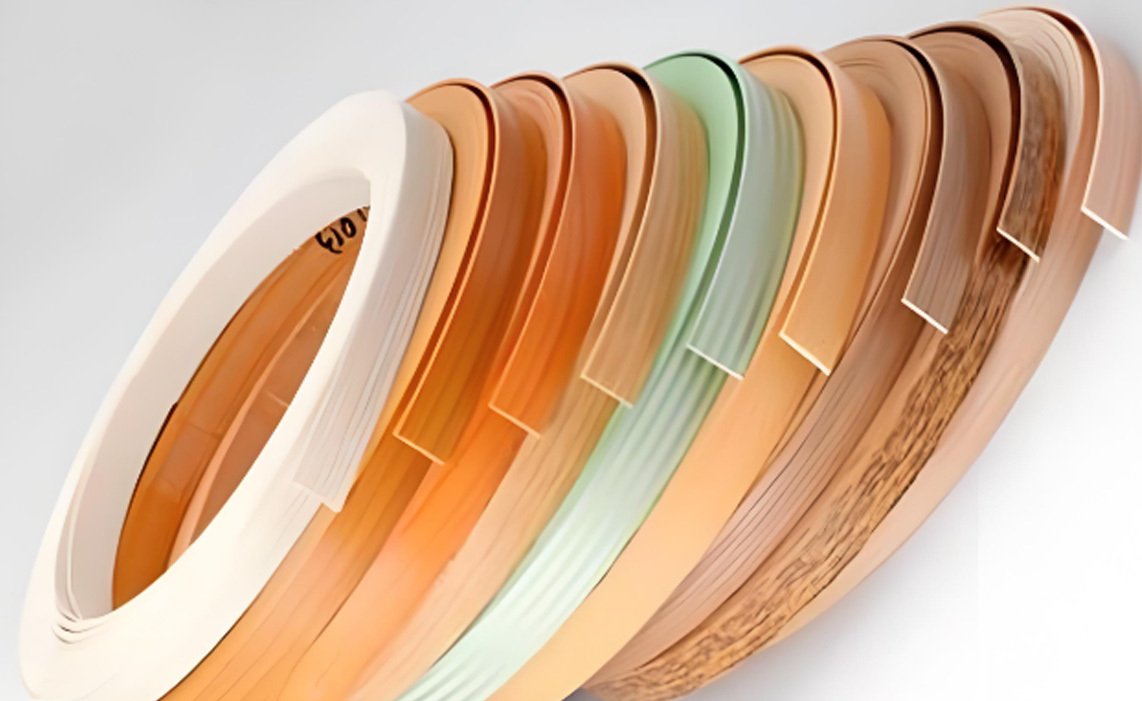
14 May,2026
Why PVC Edge Banding is a Game Changer in Furniture Manufacturing
Why PVC Edge Banding is a Game Changer in Furniture Manufacturing Introduction to PVC Edge Banding In the realm of furniture manufacturing, **PVC edge banding** has emerged as a transformative solution, enhancing both the durability and aesthetic appeal of furniture products. This versatile material is essential for defining the edges of furniture components, providing a polished finish that not o
Read More →Contact Us
E-mail: devandecor@163.com
Add: NO.8 DONGHUAN RD,HENGLIN TOWN,WUJIN DISTRICT, CHANGZHOU ,JIANGSU,CHINA
Copyright © 2025 Changzhou Defan New Materials Co., Ltd. All rights reserved. www.300.cn SEO
Subscribe our newsletter
Welcome to leave us a message, we will reply to you as soon as possible