
Surface Materials That Tell a Story: Incorporating History into Design
Surface Materials That Tell a Story: Incorporating History into Design Introduction: The Narrative Power of Surface Materials In design, surface materials play an essential role in shaping not only the aesthetics of a space but also the narrative it conveys. Each texture, color, and finish can tell a story—evoking memories, emotions, and even a sense of belonging. As we delve into the world of sur
Release time:
14 May,2026
Surface Materials That Tell a Story: Incorporating History into Design
Introduction: The Narrative Power of Surface Materials
In design, surface materials play an essential role in shaping not only the aesthetics of a space but also the narrative it conveys. Each texture, color, and finish can tell a story—evoking memories, emotions, and even a sense of belonging. As we delve into the world of surface materials, we explore how integrating historical elements into design can add depth, context, and a unique identity to modern spaces.
The Importance of Historical Context in Design
When we think about design, often the focus is on trends, functionality, and visual appeal. However, understanding the historical context of materials can significantly enhance the storytelling aspect of any project. This approach not only honors the past but also enriches the present, providing a sense of continuity and connection.
Why History Matters in Surface Material Selection
Choosing materials that have a storied past can add layers of meaning to a design. From reclaimed wood that has weathered time to stones quarried from ancient sites, these materials carry the weight of history. They remind us of previous generations and the craftsmanship that has shaped our built environment.
Creating Emotional Connections Through Materiality
Emotional connections are vital in design, as they make spaces more inviting and relatable. Incorporating historical surface materials fosters a sense of nostalgia, allowing individuals to resonate with their surroundings. Whether it’s a vintage tile or a piece of heritage brick, each material has the potential to invoke personal stories and memories.
Exploring Different Types of Surface Materials
Now, let’s examine various surface materials that can effectively tell a story when incorporated into design.
1. Reclaimed Wood: A Journey Through Time
Reclaimed wood is a popular choice among designers looking to add character and warmth to interiors. Sourced from old barns, factories, and ships, reclaimed wood not only offers a unique aesthetic but also tells a story of resilience and sustainability. Each plank carries its own history, featuring distinct markings, colors, and textures that make every piece one-of-a-kind.
Benefits of Using Reclaimed Wood
- **Sustainability**: Repurposing wood reduces the demand for new materials, making it an eco-friendly choice.
- **Unique Aesthetics**: Each piece has its own character, adding depth and history to a space.
- **Emotional Resonance**: Reclaimed wood can create a sense of nostalgia and warmth, appealing to people’s memories.
2. Vintage Tiles: Echoes of Artistic Heritage
Tiles have long been used to create stunning visual narratives in both public and private spaces. Vintage tiles, especially those sourced from historical buildings, can infuse a design with a rich artistic heritage. The intricate patterns and colors found in these tiles often reflect the culture and craftsmanship of their time.
Incorporating Vintage Tiles in Modern Design
- **Focal Points**: Use vintage tiles as a statement piece in kitchens or bathrooms to create an eye-catching focal point.
- **Merging Styles**: Combine vintage tiles with contemporary fixtures to create a harmonious blend of old and new.
- **Cultural Significance**: Highlight the cultural stories behind the tiles, adding context to your design.
3. Natural Stone: Timeless Elegance
Natural stone is a testament to the power of the earth’s geological processes. From granite to limestone, each type of stone tells a story of its origin, formed over millions of years. Using natural stone in design not only adds elegance but also connects spaces to the earth’s history.
Applications of Natural Stone in Design
- **Countertops**: Use polished or honed stone for countertops that serve as both functional and aesthetic elements in kitchens and bathrooms.
- **Feature Walls**: Create dramatic feature walls using large slabs of stone, allowing the natural beauty and history of the material to shine.
- **Landscaping**: Incorporate flagstone or cobblestones in outdoor spaces to enhance the natural landscape, providing a seamless transition between indoors and outdoors.
Techniques for Integrating Historical Materials into Design
While selecting historical materials is important, knowing how to integrate them effectively into design is equally essential. Here are some techniques to consider:
1. Contrast and Complement
When incorporating historical materials, it’s crucial to strike a balance between old and new. Using modern finishes alongside historical materials can create a dynamic visual contrast that enhances the overall design. Consider pairing reclaimed wood with sleek metal fixtures or vintage tiles with minimalist cabinetry.
2. Layering Textures
Texture plays a pivotal role in design. Layering various textures—such as smooth surfaces with rough-hewn materials—can create a rich, inviting environment. This technique allows the historical materials to stand out while also contributing to a cohesive design.
3. Storytelling Through Color Palette
Colors can evoke various emotions and memories. When working with historical materials, consider the color palette used. Neutral tones can enhance the natural beauty of reclaimed wood or vintage tiles, while bold colors can bring a modern twist to traditional materials.
Case Studies: Successful Incorporations of Historical Materials
Let’s dive into some case studies showcasing successful integrations of historical materials in design.
1. The Revival of Historic Buildings
Many cities have witnessed the revival of historic buildings, where designers have creatively restored interiors while preserving the original materials. For instance, a former industrial warehouse transformed into loft apartments retained original brick walls and wooden beams, providing a stark contrast to modern furnishings.
2. Commercial Spaces That Tell a Story
Restaurants and cafes often capitalize on historical materials to create a unique dining experience. A popular eatery may feature reclaimed wood tables alongside vintage tiles, creating an ambiance that resonates with patrons while paying homage to the local heritage.
3. Residential Interiors with a Narrative
In residential design, homeowners often seek to incorporate their personal histories. Using elements from a family home—such as reclaimed wood from a grandfather’s barn—can create a meaningful connection to the past while modernizing the space.
Challenges and Considerations When Using Historical Materials
While historical materials offer numerous advantages, there are challenges to consider as well.
1. Sourcing Authentic Materials
Finding authentic historical materials can be challenging. It often requires careful searching and a willingness to work with specialists who understand the intricacies of these materials.
2. Cost Implications
Reclaimed and vintage materials can come at a premium. Budgeting for these materials requires careful planning to ensure the overall design remains feasible without sacrificing quality.
3. Maintenance and Care
Historical materials often require specific care to preserve their integrity. Understanding the maintenance needs of materials like reclaimed wood or vintage tiles is essential for their longevity.
FAQs about Incorporating Historical Surface Materials in Design
1. What are the benefits of using reclaimed materials in design?
Using reclaimed materials enhances sustainability, adds unique character, and fosters emotional connections through storytelling.
2. How can I find authentic vintage tiles?
Look for reputable dealers specializing in reclaimed materials, attend antique markets, or explore architectural salvage yards.
3. Are there specific styles that pair well with historical materials?
Historical materials can complement various design styles, including industrial, rustic, eclectic, and modern designs. The key is to find a balance that works for your space.
4. How do I maintain historical materials like reclaimed wood?
Regular cleaning and occasional refinishing can help maintain the beauty and integrity of reclaimed wood. Avoid using harsh chemicals that could damage the finish.
5. Can historical materials be used in outdoor spaces?
Yes, many historical materials, such as natural stone and reclaimed wood, can be effectively used in outdoor design, enhancing the connection between indoors and outdoors.
Conclusion
Incorporating historical surface materials into design not only enhances the aesthetic appeal of a space but also weaves a rich tapestry of stories and emotions. By choosing materials with a narrative, designers can create environments that resonate deeply with individuals and communities. As we continue to explore the intersection of history and design, embracing these elements offers an opportunity to honor the past while crafting a meaningful future. Let us celebrate the stories embedded in our materials and create spaces that truly reflect our heritage and identity.
Latest Blog

28 Jun,2026
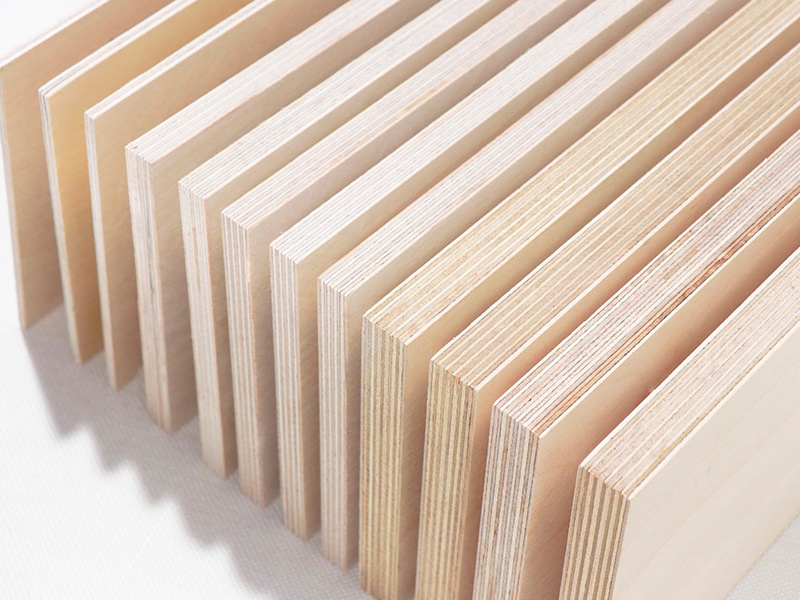
Laminated boards are engineered wood products that play a significant role in the construction and decorative materials industry. They are created by bonding multiple layers of materials, typically wood veneers or particleboard, using adhesives under heat and pressure. This process results in a strong, stable, and durable product that offers numerous advantages over traditional solid wood. One of
Read More →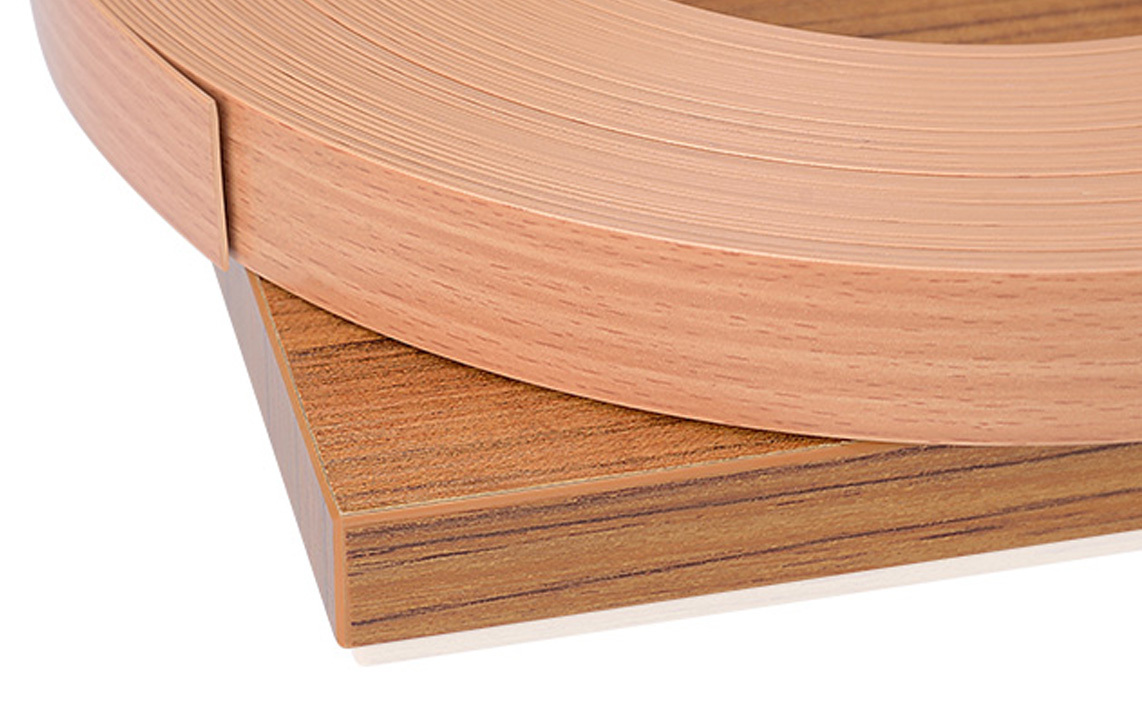
23 Jun,2026
Understanding the Manufacturing Process of PVC Edge Banding Strips: A Comprehensive Guide
Understanding the Manufacturing Process of PVC Edge Banding Strips A Deep Dive into PVC Edge Banding Strips PVC edge banding strips are crucial components in the furniture and cabinetry industry, used to cover the exposed edges of panel materials. These strips not only enhance the aesthetic appeal of furniture but also serve to protect the underlying materials from damage, moisture, and wear. Unde
Read More →Contact Us
E-mail: devandecor@163.com
Add: NO.8 DONGHUAN RD,HENGLIN TOWN,WUJIN DISTRICT, CHANGZHOU ,JIANGSU,CHINA
Copyright © 2025 Changzhou Defan New Materials Co., Ltd. All rights reserved. www.300.cn SEO
Subscribe our newsletter
Welcome to leave us a message, we will reply to you as soon as possible