
PVC Edge Banding: The Ultimate Solution for All Your Edge Finishing Needs
PVC Edge Banding: A Versatile Solution for All Your Edge Needs Introduction to PVC Edge Banding PVC edge banding has emerged as a preferred choice for professionals and DIY enthusiasts alike in the construction and decorative materials industry. This innovative product offers a **durable**, **aesthetic**, and **cost-effective** solution for finishing edges of furniture, cabinetry, and other wood p
Release time:
13 May,2026
PVC Edge Banding: A Versatile Solution for All Your Edge Needs
Introduction to PVC Edge Banding
PVC edge banding has emerged as a preferred choice for professionals and DIY enthusiasts alike in the construction and decorative materials industry. This innovative product offers a **durable**, **aesthetic**, and **cost-effective** solution for finishing edges of furniture, cabinetry, and other wood products. Its versatility extends across various applications, making it a staple in modern design.
What is PVC Edge Banding?
PVC (Polyvinyl Chloride) edge banding is a thin strip of material applied to the exposed edges of furniture panels, such as MDF or particle board. It serves as a protective barrier against moisture, scratches, and wear while enhancing the overall appearance of the furniture. The edge banding is available in various colors, textures, and finishes, allowing for seamless integration with the underlying material.
Benefits of Using PVC Edge Banding
1. **Durability and Longevity**
One of the standout features of PVC edge banding is its exceptional durability. Unlike traditional wood or veneer edges, PVC is resistant to chipping, peeling, and fading, ensuring that your furniture maintains its **aesthetic appeal** for years.
2. **Moisture Resistance**
Moisture can be a significant concern for furniture edges, particularly in kitchens and bathrooms. PVC edge banding provides an **effective barrier** against water, protecting the core material from swelling and damage.
3. **Variety of Designs**
With a vast array of colors, patterns, and finishes, PVC edge banding allows designers and manufacturers to match or contrast the edge with the surface material seamlessly. Whether you prefer a sleek modern look or a more traditional appearance, there’s a PVC edge banding option for you.
4. **Ease of Application**
Applying PVC edge banding is a straightforward process that can be accomplished with the right tools. This ease of application makes it an attractive choice for both professionals and hobbyists looking to enhance their projects.
5. **Cost-Effectiveness**
Compared to solid wood edging, PVC edge banding offers a more **affordable** solution without compromising on quality. This cost-effectiveness makes it an ideal choice for large-scale furniture production.
Applications of PVC Edge Banding
PVC edge banding is used in various applications, showcasing its versatility across industries.
1. **Furniture Manufacturing**
From tables to cabinets, the furniture industry heavily relies on PVC edge banding to create finished products that are both functional and visually appealing. It not only enhances the durability of the furniture but also contributes to the overall design aesthetic.
2. **Cabinetry**
In cabinetry, PVC edge banding protects the edges of shelves, drawers, and doors, providing a neat finish that complements the kitchen or bathroom design. Its moisture-resistant properties are particularly beneficial in these environments.
3. **DIY Projects**
For DIY enthusiasts, PVC edge banding offers an accessible way to elevate home projects. Whether refurbishing old furniture or creating custom pieces, edge banding can enhance the final look and functionality.
Choosing the Right PVC Edge Banding
Selecting the appropriate PVC edge banding involves several considerations to ensure optimal results.
1. **Thickness**
PVC edge banding is available in various thicknesses. For most applications, a thickness of 0.4 mm to 2 mm is ideal. Thicker edge banding provides greater durability, but may require specialized tools for application.
2. **Color Matching**
When choosing PVC edge banding, consider the color and finish of the underlying material. Many manufacturers offer edge banding that closely matches popular wood finishes, allowing for a cohesive look.
3. **Texture**
The texture of the edge banding can significantly affect the overall design. Smooth finishes provide a contemporary look, while wood grain textures add warmth and character to the furniture.
How to Apply PVC Edge Banding
Applying PVC edge banding is a relatively simple process that can be completed with a few tools.
1. **Prepare the Surface**
Before application, ensure that the surface is clean and free from dust or debris. A smooth edge will help the adhesive bond effectively.
2. **Cut the Edge Banding**
Measure the length of the edge to be covered and cut the PVC edge banding to size, ensuring it extends slightly beyond the ends for a complete seal.
3. **Apply Adhesive**
Using a suitable adhesive, apply a consistent layer along the edge of the panel. Some PVC edge banding comes with adhesive backing, making this step even easier.
4. **Press and Heat**
Press the edge banding firmly onto the edge, ensuring an even application. If using heat-activated adhesive, apply heat evenly along the banding to ensure a strong bond.
5. **Trim Excess**
Once the adhesive has set, trim any excess edge banding for a seamless finish. A flush trim will create a professional look and prevent any rough edges.
Maintenance of PVC Edge Banding
Maintaining PVC edge banding is essential for preserving its appearance and functionality.
1. **Cleaning**
Regular cleaning with a damp cloth and mild detergent will remove dirt and grime without damaging the edge banding. Avoid harsh chemicals that can cause discoloration or damage.
2. **Inspect for Damage**
Periodically inspect the edge banding for signs of wear or damage. Addressing any issues promptly can prevent further deterioration and maintain the integrity of the furniture.
3. **Reapplication**
If the edge banding begins to peel or show significant wear, reapplication may be necessary. Fortunately, the process is straightforward, allowing for easy repairs.
Common Questions About PVC Edge Banding
1. **What is the best adhesive for PVC edge banding?**
The best adhesive for PVC edge banding typically depends on the specific application. Hot melt adhesives are commonly used due to their strength and quick setting time.
2. **Can PVC edge banding be painted?**
Painting PVC edge banding is generally not recommended, as it can lead to adhesion issues. Instead, it’s advisable to choose a color that complements your project from the start.
3. **Is PVC edge banding suitable for outdoor use?**
While PVC is water-resistant, it is not recommended for prolonged outdoor exposure, as UV rays may cause fading and degradation over time.
4. **How do I remove PVC edge banding?**
To remove PVC edge banding, carefully heat the adhesive with a heat gun, then gently pry it away from the surface. Be cautious not to damage the underlying material.
5. **What is the typical thickness of PVC edge banding?**
PVC edge banding typically ranges from 0.4 mm to 2 mm in thickness, with 0.8 mm being a popular choice for most applications.
Conclusion
In conclusion, PVC edge banding stands out as a **versatile**, **durable**, and **cost-effective** solution for all your edge needs. Its wide range of applications and benefits make it an essential component in modern furniture design and cabinetry. By understanding its features, how to apply it, and how to maintain it, you can enhance the overall quality and appearance of your projects. Whether you are a seasoned professional or a DIY enthusiast, embracing PVC edge banding can lead to exceptional results in your woodworking endeavors.
Latest Blog

14 May,2026
Surface Materials That Tell a Story: Incorporating History into Design
Surface Materials That Tell a Story: Incorporating History into Design Introduction: The Narrative Power of Surface Materials In design, surface materials play an essential role in shaping not only the aesthetics of a space but also the narrative it conveys. Each texture, color, and finish can tell a story—evoking memories, emotions, and even a sense of belonging. As we delve into the world of sur
Read More →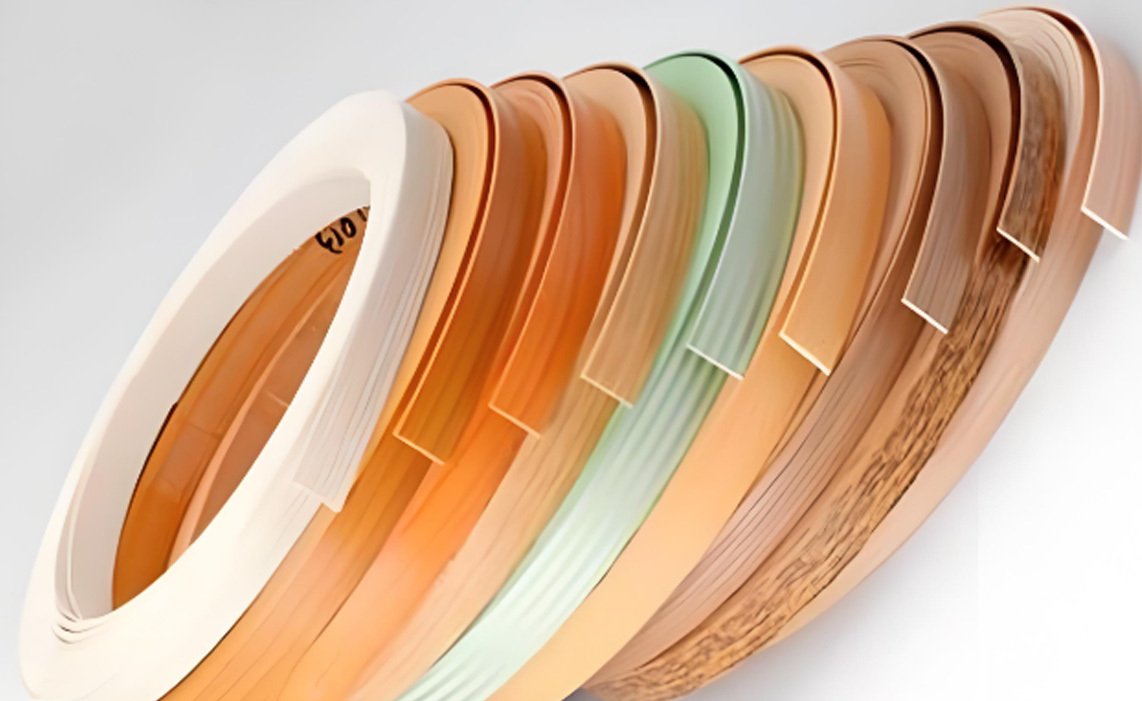
14 May,2026
Why PVC Edge Banding is a Game Changer in Furniture Manufacturing
Why PVC Edge Banding is a Game Changer in Furniture Manufacturing Introduction to PVC Edge Banding In the realm of furniture manufacturing, **PVC edge banding** has emerged as a transformative solution, enhancing both the durability and aesthetic appeal of furniture products. This versatile material is essential for defining the edges of furniture components, providing a polished finish that not o
Read More →Contact Us
E-mail: devandecor@163.com
Add: NO.8 DONGHUAN RD,HENGLIN TOWN,WUJIN DISTRICT, CHANGZHOU ,JIANGSU,CHINA
Copyright © 2025 Changzhou Defan New Materials Co., Ltd. All rights reserved. www.300.cn SEO
Subscribe our newsletter
Welcome to leave us a message, we will reply to you as soon as possible