
The Essential Guide to PVC Edge Banding: Applications and Benefits in Construction and Decoration
PVC (Polyvinyl Chloride) edge banding is widely recognized in the construction and decorative materials industry for its effectiveness in providing a clean, finished look to various surfaces, particularly in furniture and cabinetry. This material is primarily used to cover the exposed edges of particleboard, MDF (Medium-Density Fiberboard), or plywood, ensuring durability and aesthetic appeal. On
Release time:
14 May,2026
One of the standout features of PVC edge banding is its resistance to moisture and wear. This characteristic makes it suitable for environments prone to humidity, such as kitchens and bathrooms, where traditional wood veneers may warp or deteriorate. Moreover, PVC edge banding is available in various colors and textures, allowing for seamless integration with different design styles and materials.
In terms of application, the process of installing PVC edge banding typically involves using a hot-melt adhesive or a specialized edge banding machine. These methods ensure a strong bond between the edge banding and the substrate, providing a long-lasting finish. For professionals, understanding the right application techniques can significantly enhance both the efficiency and quality of their work.
Another advantage of PVC edge banding is its ease of maintenance. Unlike other materials that may require frequent refinishing or touch-ups, PVC can be easily cleaned with common household cleaners, making it a practical choice for high-traffic areas. Additionally, its resistance to scratches and impact damage contributes to its longevity, reducing the need for replacements.
From an environmental perspective, many manufacturers are now producing PVC edge banding using recycled materials, which helps reduce waste and promotes sustainability in the construction industry. This trend aligns with the growing demand for eco-friendly materials, allowing professionals to meet consumer preferences while maintaining high-quality standards in their projects.
Furthermore, with the advent of advanced manufacturing technologies, PVC edge banding is increasingly available in custom sizes and profiles, catering to unique design requirements. This flexibility enables architects and designers to innovate, pushing the boundaries of traditional construction and decoration techniques.
In conclusion, PVC edge banding stands out as a practical, attractive, and durable finishing material within the construction and decoration sector. By understanding its applications and benefits, professionals can make informed decisions that enhance the quality of their work while meeting client expectations. Embracing this material can lead to superior project outcomes, ultimately benefiting both the contractor and the end-user.
Latest Blog

28 Jun,2026
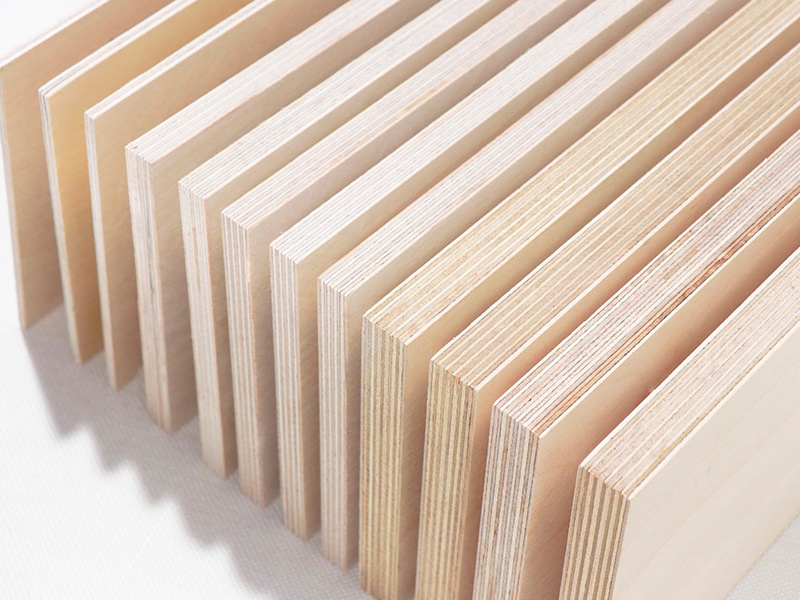
Laminated boards are engineered wood products that play a significant role in the construction and decorative materials industry. They are created by bonding multiple layers of materials, typically wood veneers or particleboard, using adhesives under heat and pressure. This process results in a strong, stable, and durable product that offers numerous advantages over traditional solid wood. One of
Read More →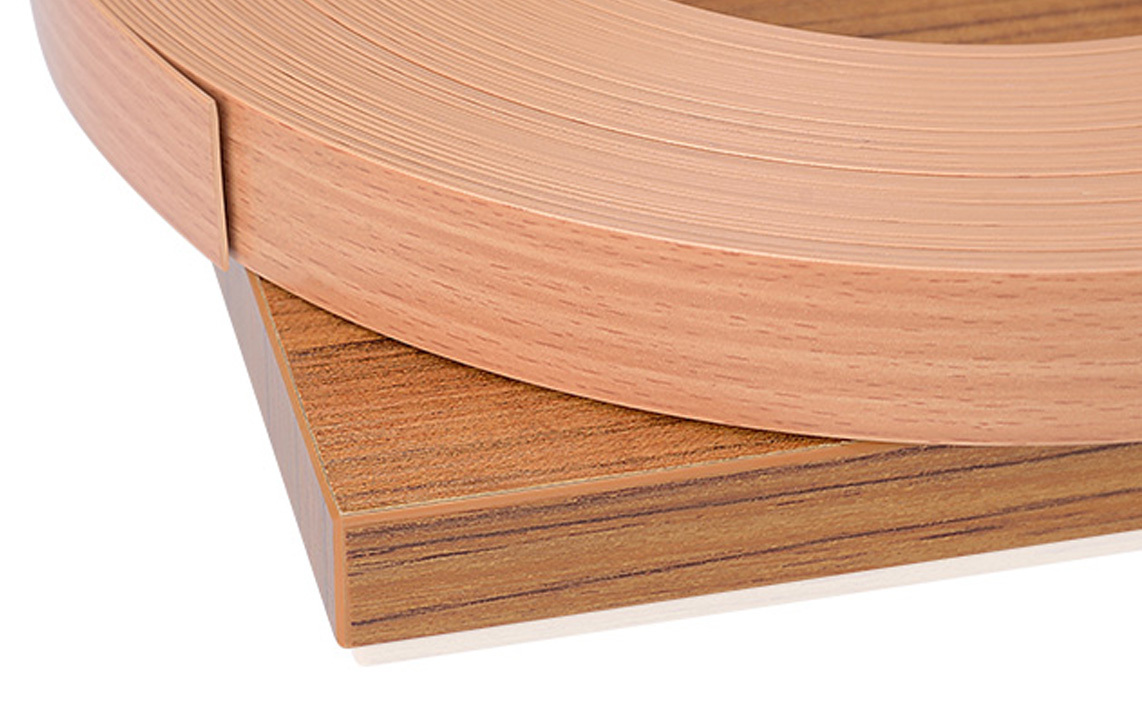
23 Jun,2026
Understanding the Manufacturing Process of PVC Edge Banding Strips: A Comprehensive Guide
Understanding the Manufacturing Process of PVC Edge Banding Strips A Deep Dive into PVC Edge Banding Strips PVC edge banding strips are crucial components in the furniture and cabinetry industry, used to cover the exposed edges of panel materials. These strips not only enhance the aesthetic appeal of furniture but also serve to protect the underlying materials from damage, moisture, and wear. Unde
Read More →Contact Us
E-mail: devandecor@163.com
Add: NO.8 DONGHUAN RD,HENGLIN TOWN,WUJIN DISTRICT, CHANGZHOU ,JIANGSU,CHINA
Copyright © 2025 Changzhou Defan New Materials Co., Ltd. All rights reserved. www.300.cn SEO
Subscribe our newsletter
Welcome to leave us a message, we will reply to you as soon as possible