
The Science Behind Laminated Boards: Strength and Durability Explained
The Science Behind Laminated Boards: Strength and Durability Explained Introduction to Laminated Boards Laminated boards have significantly transformed the construction and decoration materials landscape. As a composite wood product, these boards are engineered to provide enhanced strength and durability compared to traditional wood options. Our exploration begins with understanding what laminat
Release time:
15 May,2026
The Science Behind Laminated Boards: Strength and Durability Explained
Introduction to Laminated Boards
Laminated boards have significantly transformed the construction and decoration materials landscape. As a composite wood product, these boards are engineered to provide enhanced strength and durability compared to traditional wood options. Our exploration begins with understanding what laminated boards are, how they are manufactured, and why they are increasingly favored in various applications.
What Are Laminated Boards?
Laminated boards consist of multiple layers of wood or other materials bonded together using adhesives or synthetic resins. This layering process enhances the mechanical properties of the boards, resulting in materials that can withstand various environmental stressors. Laminated boards are commonly used in furniture, flooring, countertops, and structural applications due to their strength, stability, and aesthetic appeal.
The Manufacturing Process of Laminated Boards
The manufacturing of laminated boards involves several key steps that contribute to their exceptional properties:
1. Selection of Raw Materials
Quality control starts with selecting suitable raw materials. High-grade timber or alternate materials are chosen to ensure optimal performance and finish.
2. Layering
Multiple layers are arranged in a specific orientation to maximize strength. The orientation of the wood fibers plays a critical role in determining the final product's mechanical properties. For instance, aligning the fibers in the direction of expected stress can enhance strength and reduce the risk of bending.
3. Adhesive Application
High-performance adhesives are applied to the layers, ensuring strong bonds between them. The choice of adhesive influences the final product's water resistance, durability, and environmental impact.
4. Pressing
The layered boards are subjected to high pressure and temperature in a hydraulic press, allowing the adhesives to cure and bond the layers firmly. This process not only enhances the board's structural integrity but also helps eliminate any potential air pockets that could weaken the product.
5. Finishing Touches
After pressing, the boards are trimmed and sanded to achieve a smooth finish. Additional treatments, such as veneer application or surface coatings, may be added to enhance aesthetics and protect against wear and tear.
The Strength of Laminated Boards
Laminated boards are renowned for their incredible strength, which can be attributed to their unique construction process.
1. Enhanced Load-Bearing Capacity
Due to their layered composition, laminated boards exhibit an exceptional load-bearing capacity. They can support significant weights without deforming, making them suitable for various structural applications, including beams and columns.
2. Resistance to Warping and Cracking
Traditional solid wood can warp or crack due to humidity and temperature changes. In contrast, laminated boards are engineered to resist such environmental fluctuations, enhancing their durability and longevity.
3. Flexibility and Impact Resistance
The layered structure of laminated boards allows for some degree of flexibility, which can absorb impacts without failing. This makes them advantageous in applications where occasional stress is expected, such as flooring or cabinetry.
Durability Factors of Laminated Boards
Durability is a critical consideration in construction, and laminated boards excel in this area due to several factors:
1. Moisture Resistance
The use of high-quality adhesives contributes to the boards' moisture resistance. Many laminated boards are treated to withstand exposure to water, making them ideal for environments prone to humidity, such as kitchens and bathrooms.
2. Pest Resistance
Unlike untreated wood, laminated boards are less susceptible to pest infestations. The adhesives and treatments used in their production deter pests like termites, enhancing their durability in various environments.
3. Resistance to Chemical Damage
Laminated boards can also be treated to resist damage from chemicals, making them suitable for commercial spaces where spills and exposure to harsh substances may occur.
Applications of Laminated Boards in Construction and Decoration
The exceptional properties of laminated boards make them versatile choices for numerous applications in the construction and decoration industries.
1. Structural Applications
Laminated boards are widely used in structural applications. Their strength and stability make them ideal for beams, trusses, and load-bearing walls. Architects and engineers often select laminated timber due to its ability to meet stringent building codes and safety standards.
2. Furniture Design
In furniture design, laminated boards are favored for their aesthetic appeal and durability. Manufacturers can create intricate designs and finishes, offering a wide range of styles for consumers. From tables to cabinets, laminated boards provide both form and function.
3. Flooring Solutions
Laminated flooring has gained immense popularity due to its resilience and ease of installation. Homeowners appreciate its ability to mimic the appearance of natural wood while providing superior performance in terms of wear resistance and maintenance.
4. Decorative Surfaces
Laminated boards are often used in decorative surfaces, including countertops and wall panels. Their ability to withstand daily wear while maintaining visual appeal makes them a top choice for modern interiors.
Environmental Considerations of Laminated Boards
As sustainability becomes increasingly important in construction, the environmental impact of materials is under scrutiny. Laminated boards can offer several eco-friendly benefits:
1. Sustainable Sourcing of Materials
Many manufacturers prioritize sustainable forestry practices when sourcing raw materials for laminated boards. This ensures that wood is harvested responsibly, minimizing deforestation and promoting biodiversity.
2. Efficient Use of Resources
Laminated boards make efficient use of timber, as smaller pieces can be bonded together to create larger, stronger panels. This reduces waste and maximizes the utility of harvested wood.
3. Potential for Recycling
At the end of their life cycle, laminated boards can often be recycled or repurposed, reducing the environmental impact associated with disposal.
Future Trends in Laminated Board Technology
The laminated board industry continues to evolve, with innovations aimed at improving performance and sustainability.
1. Advancements in Adhesive Technologies
Researchers are developing new adhesives that are more environmentally friendly and offer superior bonding capabilities. These innovations may enhance the performance of laminated boards while reducing their ecological footprint.
2. Integration of Smart Materials
Incorporating smart materials into laminated boards could lead to enhanced functionality, such as self-repairing capabilities or adaptive responses to environmental changes.
3. Customization and Personalization
As consumer demands shift towards unique and personalized designs, manufacturers are increasingly offering customizable laminated boards, allowing consumers to select colors, finishes, and sizes that suit their preferences.
Common Questions About Laminated Boards
1. Are laminated boards as strong as solid wood?
Yes, laminated boards are often stronger than solid wood due to their engineered construction and layered design, which provides enhanced load-bearing capacity and resistance to warping.
2. How do laminated boards compare to plywood?
While both laminated boards and plywood are engineered wood products, laminated boards typically offer greater strength and stability due to their layering process, which is specifically designed to enhance performance.
3. Can laminated boards be used outdoors?
Certain laminated boards are treated for outdoor use, offering moisture resistance and durability against environmental factors. However, it is essential to ensure that the specific type of laminated board is suitable for outdoor applications.
4. What maintenance is required for laminated boards?
Laminated boards are generally low maintenance. Regular cleaning with a damp cloth and mild detergent is often sufficient. Avoid harsh chemicals that could damage the surface finish.
5. Are laminated boards eco-friendly?
Many laminated boards are produced using sustainably sourced materials and eco-friendly adhesives, making them a more environmentally responsible choice compared to other materials.
Conclusion
The science behind laminated boards reveals a remarkable intersection of engineering and aesthetics. With their superior strength, durability, and versatility, laminated boards have become a staple in construction and decoration. As we continue to innovate and prioritize sustainability, laminated boards will likely play an even more significant role in shaping the future of building materials. Understanding their properties and applications can help architects, builders, and consumers make informed choices, ensuring the longevity and performance of their projects.
Latest Blog

03 Jul,2026
Exploring the Cost Benefits of PVC Edge Banding in Furniture Design
Exploring the Cost Benefits of PVC Edge Banding in Furniture Design Introduction to PVC Edge Banding PVC edge banding has emerged as a revolutionary material in the furniture design industry. This versatile product is predominantly used to cover the exposed edges of particle board, MDF, and plywood, giving furniture a finished look while enhancing durability. In this article, we will explore the v
Read More →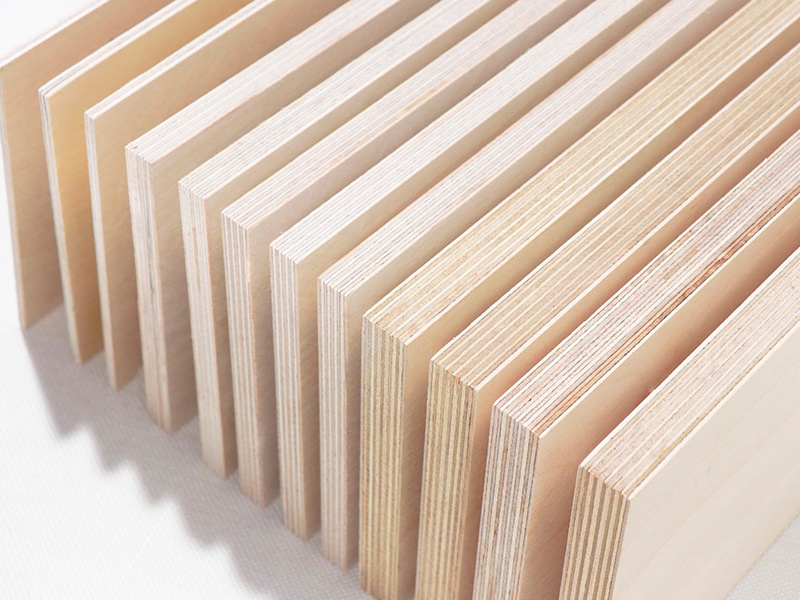
28 Jun,2026
Laminated boards are engineered wood products that play a significant role in the construction and decorative materials industry. They are created by bonding multiple layers of materials, typically wood veneers or particleboard, using adhesives under heat and pressure. This process results in a strong, stable, and durable product that offers numerous advantages over traditional solid wood. One of
Read More →Contact Us
E-mail: devandecor@163.com
Add: NO.8 DONGHUAN RD,HENGLIN TOWN,WUJIN DISTRICT, CHANGZHOU ,JIANGSU,CHINA
Copyright © 2025 Changzhou Defan New Materials Co., Ltd. All rights reserved. www.300.cn SEO
Subscribe our newsletter
Welcome to leave us a message, we will reply to you as soon as possible