
Exploring the Cost Benefits of PVC Edge Banding in Furniture Design
Exploring the Cost Benefits of PVC Edge Banding in Furniture Design Introduction to PVC Edge Banding PVC edge banding has emerged as a revolutionary material in the furniture design industry. This versatile product is predominantly used to cover the exposed edges of particle board, MDF, and plywood, giving furniture a finished look while enhancing durability. In this article, we will explore the v
Release time:
03 Jul,2026
Exploring the Cost Benefits of PVC Edge Banding in Furniture Design
Introduction to PVC Edge Banding
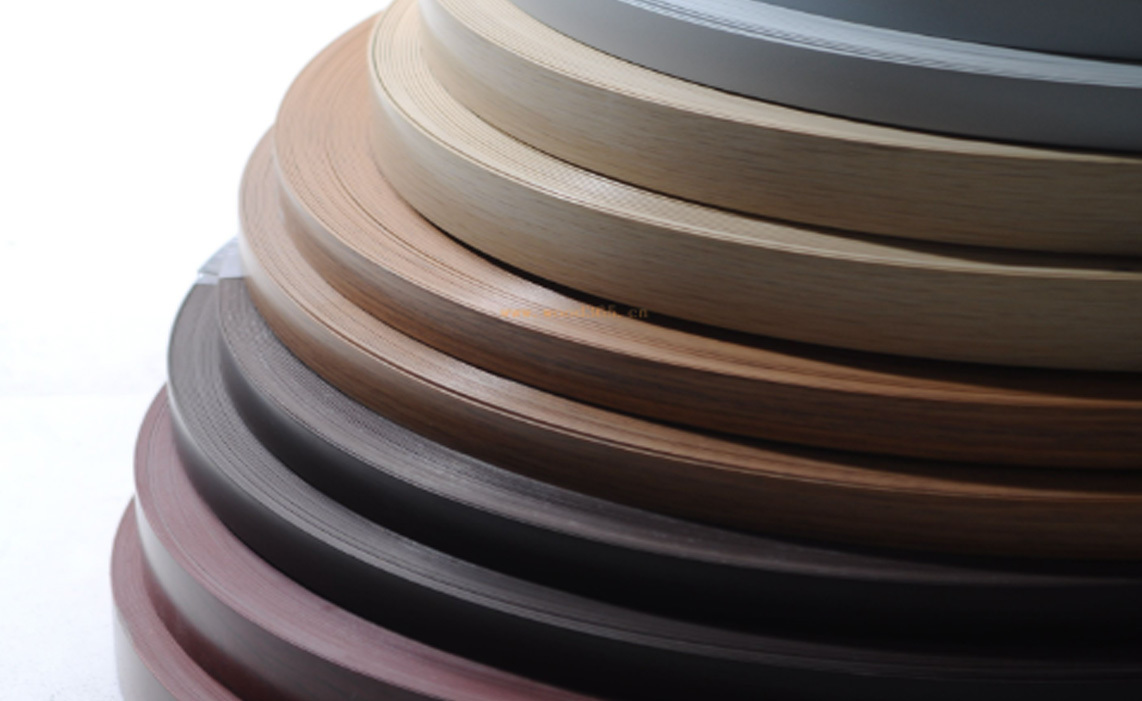
PVC edge banding has emerged as a revolutionary material in the furniture design industry. This versatile product is predominantly used to cover the exposed edges of particle board, MDF, and plywood, giving furniture a finished look while enhancing durability. In this article, we will explore the various cost benefits of employing PVC edge banding in furniture design.
Understanding Edge Banding: A Quick Overview
Edge banding serves a critical function in furniture manufacturing. It not only improves the aesthetics of the product but also protects the edges from damage, moisture, and wear. PVC, or polyvinyl chloride, is a popular choice due to its affordability, versatility, and range of available colors and finishes.
Key Features of PVC Edge Banding
There are several features that make PVC edge banding an attractive choice for furniture designers:
1. Cost-Effectiveness
One of the primary benefits of PVC edge banding is its affordability. Compared to other edge banding materials like wood or aluminum, PVC is more budget-friendly, making it a practical choice for mass production.
2. Durability and Longevity
PVC edge banding is highly durable and resistant to moisture, scratches, and chemical damage. This resilience ensures that furniture maintains its aesthetic appeal over time, reducing the need for repairs or replacements.
3. Aesthetic Versatility
Available in various colors, textures, and finishes, PVC edge banding allows designers to customize their furniture easily. This flexibility ensures that furniture can match any interior design theme while enhancing the overall look.
Cost Benefits of PVC Edge Banding in Furniture Design
1. Reduced Material Waste
Using PVC edge banding significantly minimizes material waste. Traditional methods of finishing edges often result in excess material being discarded. With PVC, manufacturers can achieve precise cuts, reducing waste and lowering overall production costs.
2. Lower Labor Costs
The application of PVC edge banding is relatively straightforward and does not require specialized skills. This ease of use translates to lower labor costs during manufacturing. Additionally, as the process is quicker compared to other edge-finishing methods, it contributes to increased production efficiency.
3. Enhanced Production Efficiency
The use of PVC edge banding can streamline the production process. It can be applied quickly and uniformly, allowing manufacturers to keep up with demand without compromising quality. This efficiency not only helps to meet deadlines but also positively impacts profitability.
Comparative Analysis: PVC Edge Banding vs. Traditional Edge Banding Materials
1. PVC vs. Wood Edge Banding
While wood edge banding offers a natural look, it often comes with higher costs and increased maintenance. PVC edge banding, on the other hand, provides a similar aesthetic at a fraction of the price, along with superior durability.
2. PVC vs. Melamine Edge Banding
Melamine edge banding is another popular choice, but it has limitations in terms of color and texture options. PVC edge banding offers a wider variety of designs, ensuring that furniture can be tailored to specific customer preferences.
Applications of PVC Edge Banding in Modern Furniture Design
1. Kitchen Cabinets
In kitchen design, durability is key. PVC edge banding is ideal for kitchen cabinets, as it protects edges from moisture and heat, ensuring a long-lasting finish.
2. Office Furniture
With the rise of remote work, office furniture design has evolved. PVC edge banding allows for modern, sleek designs while maintaining functionality and durability, making it an ideal choice for desks and cabinets.
3. Custom Furniture
For bespoke furniture manufacturers, PVC edge banding provides the flexibility needed to create unique designs. With its extensive range of colors and textures, designers can easily match client specifications.
Environmental Considerations of Using PVC Edge Banding
As sustainability becomes increasingly important in the furniture industry, manufacturers are seeking eco-friendly materials. While PVC is a synthetic material, advancements in recycling technologies are making it a more sustainable option. Manufacturers can now source recycled PVC, further reducing their environmental impact.
1. Recycling and Reusability
PVC is recyclable, and many companies are implementing closed-loop systems to reuse edge banding materials. This capability not only conserves resources but also lowers costs in the long run.
Frequently Asked Questions (FAQs)
1. What is PVC edge banding?
PVC edge banding is a material used to cover the exposed edges of furniture made from particle board, MDF, or plywood. It offers protection against damage and enhances aesthetics.
2. How is PVC edge banding applied?
PVC edge banding is typically applied using a hot-melt adhesive, allowing for a secure bond to the furniture surface.
3. Is PVC edge banding durable?
Yes, PVC edge banding is highly durable, resistant to moisture, scratches, and chemicals, making it suitable for various furniture applications.
4. Can PVC edge banding be painted or stained?
While PVC edge banding can be painted, it is not typically stained as wood can be. However, it is available in a wide range of colors and textures to suit different design needs.
5. Are there environmentally friendly options for PVC edge banding?
Yes, many manufacturers now offer recycled PVC edge banding, which helps reduce environmental impact while still providing the benefits of traditional PVC.
Conclusion
In summary, PVC edge banding presents numerous cost benefits that make it a favorable option for furniture design. Its affordability, durability, and aesthetic versatility contribute to reduced waste and lower overall production costs. As the furniture industry continues to evolve, the use of PVC edge banding stands out as an innovative solution that meets both economic and environmental considerations. Embracing this material can give furniture manufacturers a competitive edge while delivering high-quality products to consumers.
Latest Blog

03 Jul,2026
Exploring the Cost Benefits of PVC Edge Banding in Furniture Design
Exploring the Cost Benefits of PVC Edge Banding in Furniture Design Introduction to PVC Edge Banding PVC edge banding has emerged as a revolutionary material in the furniture design industry. This versatile product is predominantly used to cover the exposed edges of particle board, MDF, and plywood, giving furniture a finished look while enhancing durability. In this article, we will explore the v
Read More →
28 Jun,2026
Laminated boards are engineered wood products that play a significant role in the construction and decorative materials industry. They are created by bonding multiple layers of materials, typically wood veneers or particleboard, using adhesives under heat and pressure. This process results in a strong, stable, and durable product that offers numerous advantages over traditional solid wood. One of
Read More →Contact Us
E-mail: devandecor@163.com
Add: NO.8 DONGHUAN RD,HENGLIN TOWN,WUJIN DISTRICT, CHANGZHOU ,JIANGSU,CHINA
Copyright © 2025 Changzhou Defan New Materials Co., Ltd. All rights reserved. www.300.cn SEO
Subscribe our newsletter
Welcome to leave us a message, we will reply to you as soon as possible