
The Role of Surface Materials in Creating Inviting Hospitality Environments
The Role of Surface Materials in Creating Inviting Hospitality Environments Introduction: The Importance of Surface Materials in Hospitality Design In the world of hospitality, first impressions matter significantly. Guests often form their initial perceptions within seconds of entering a space. Surface materials play an indispensable role in shaping these perceptions, influencing not only the aes
Release time:
15 May,2026
The Role of Surface Materials in Creating Inviting Hospitality Environments
Introduction: The Importance of Surface Materials in Hospitality Design
In the world of hospitality, first impressions matter significantly. Guests often form their initial perceptions within seconds of entering a space. Surface materials play an indispensable role in shaping these perceptions, influencing not only the aesthetics but also the overall experience of patrons. By carefully selecting and integrating various surface materials, hospitality environments can evoke feelings of warmth, comfort, and elegance, ultimately leading to enhanced customer satisfaction and loyalty.
Understanding Surface Materials: Types and Their Applications
When we talk about surface materials in the hospitality industry, we refer to a broad range of options that include everything from flooring and wall coverings to countertops and upholstery. Each type of material serves a distinct purpose and contributes to the ambience of the space.
1. Flooring Materials: Setting the Groundwork for Comfort
The choice of flooring is often the foundation of any hospitality environment. Materials such as hardwood, tile, carpet, and vinyl each offer unique benefits:
- **Hardwood Flooring**: This timeless choice exudes warmth and sophistication, making it ideal for upscale hotels and restaurants. Its natural grain patterns can create a cozy atmosphere.
- **Carpet**: Often used in hotels and lounges, carpet not only offers comfort underfoot but also provides sound insulation, enhancing the overall acoustic experience for guests.
- **Tile**: With its durability and ease of maintenance, tile is a popular choice for high-traffic areas. Available in various textures and colors, it can complement any design scheme.
- **Luxury Vinyl**: This versatile option mimics the appearance of natural materials while providing durability and ease of cleaning, making it perfect for family-friendly establishments.
2. Wall Coverings: Creating Visual Interest
Wall surfaces are crucial for setting the mood in hospitality spaces. Various materials can be employed to add texture and depth.
- **Paint**: A simple yet effective way to refresh a space, the right color palette can evoke different emotions and set the theme.
- **Wallpaper**: Offering limitless design possibilities, wallpaper can infuse personality into rooms, from bold patterns in trendy cafes to subtle textures in luxury hotels.
- **Wood Paneling**: This material creates a rustic yet elegant vibe. It is often used in fine dining establishments to enhance the overall dining experience.
3. Countertops: Functional Elegance
Countertops not only serve practical purposes but also act as focal points in kitchens, bars, and reception areas. Popular materials include:
- **Granite and Marble**: These natural stones exude luxury and durability. Their unique patterns can create a stunning visual effect, making them ideal for high-end establishments.
- **Quartz**: Known for its durability and low maintenance, quartz offers a consistent appearance that can fit various design aesthetics.
- **Laminate**: A more budget-friendly option that comes in numerous colors and finishes, laminate can mimic the look of more expensive materials while providing easy maintenance.
Creating an Inviting Atmosphere: The Psychological Impact of Surface Materials
The selection of surface materials goes beyond aesthetics; it significantly impacts guest psychology and behavior.
1. Texture: Engaging the Senses
Textures can evoke emotions and create tactile experiences. Smooth surfaces can provide a sense of modernity, while rougher textures may evoke a sense of warmth and comfort. For instance, the use of soft upholstery in lounge areas invites guests to relax, while sleek marble surfaces in a bar can convey sophistication.
2. Color Psychology: Influencing Mood and Behavior
Different colors have psychological effects that can influence guest perceptions and behaviors. Warm tones like reds and oranges can stimulate conversation and appetite, making them ideal for dining areas. On the other hand, cool colors such as blues and greens evoke calmness and relaxation, suitable for hotel rooms and spa facilities.
Case Studies: Successful Implementations of Surface Materials in Hospitality Design
To illustrate the profound impact of surface materials, we will examine a few notable case studies where thoughtful material selection has transformed hospitality environments.
1. The Boutique Hotel Experience
A recently renovated boutique hotel in the heart of the city opted for reclaimed wood flooring and exposed brick walls to create a rustic yet modern aesthetic. The use of soft, neutral paint colors combined with vibrant artwork and plush furnishings created inviting communal spaces and guest rooms, ultimately enhancing the overall guest experience.
2. Revamping Restaurant Interiors
A popular restaurant revamped its interior by introducing textured wall coverings and elegant granite countertops. The new layout, complemented by warm lighting and wooden accents, made the dining space feel intimate and inviting, encouraging longer stays and repeat visits from customers.
Best Practices for Selecting Surface Materials in Hospitality Design
Choosing the right surface materials requires a thoughtful approach. Here are some best practices to consider:
1. Assessing Functionality vs. Aesthetic Appeal
While aesthetics are crucial, the functionality of materials should never be overlooked. Consider the maintenance, durability, and suitability of each material for its intended use. For instance, heavy-duty flooring may be necessary in high-traffic areas, while softer materials may be more appropriate for guest rooms.
2. Keeping Sustainability in Mind
Sustainable materials are increasingly important in modern design. Opt for products that are eco-friendly and ethically sourced. This not only appeals to environmentally conscious consumers but also enhances the brand image of hospitality establishments.
3. Engaging with Guests' Preferences
Understanding the target audience can guide material selection. A family-friendly hotel may prioritize comfort and durability, while a luxury resort might focus on elegance and sophistication.
Innovative Trends in Surface Materials for Hospitality Environments
As the hospitality industry evolves, so do the trends in surface materials. Here are some innovative materials and trends to watch:
1. Biophilic Design Elements
Integrating natural elements into design, such as living walls and natural stone surfaces, enhances the connection between indoors and outdoors, creating a refreshing experience for guests.
2. Smart Materials
With advancements in technology, smart materials that can change properties in response to environmental conditions are becoming popular. These materials can enhance guest comfort and convenience while providing a unique experience.
3. Mixed Materials
Combining different materials—such as wood, metal, and fabric—creates visual interest and complexity in design. This trend allows for a more personalized and unique environment.
Frequently Asked Questions (FAQs)
1. What are the best flooring materials for hospitality environments?
**Hardwood, carpet, tile, and luxury vinyl** are popular choices, each offering unique benefits depending on the space's needs.
2. How do surface materials affect guest experience?
Surface materials influence mood, comfort, and overall perception, playing a crucial role in creating an inviting atmosphere.
3. Are there sustainable options for surface materials?
Yes, many manufacturers offer eco-friendly and sustainably sourced materials that are both stylish and responsible.
4. What role does color play in hospitality design?
Color can evoke emotions and influence guest behavior, with warm colors stimulating conversation and cool colors promoting relaxation.
5. How can I ensure the durability of surface materials in high-traffic areas?
Opt for materials known for their durability, such as **tile, luxury vinyl, and commercial-grade carpeting**, and consider maintenance requirements.
Conclusion: Elevating Hospitality Through Thoughtful Material Selection
The role of surface materials in hospitality design cannot be overstated. They serve as the foundation upon which memorable experiences are built, influencing everything from guest comfort to brand perception. By thoughtfully selecting and integrating various materials, hospitality venues can create inviting environments that resonate with guests on multiple levels. The right combination of aesthetics, functionality, and emotional appeal ultimately fosters loyalty, enhances guest satisfaction, and sets establishments apart in a competitive industry. As the hospitality landscape continues to evolve, embracing innovative materials and trends will be essential to meeting the ever-changing needs and desires of patrons.
Latest Blog

03 Jul,2026
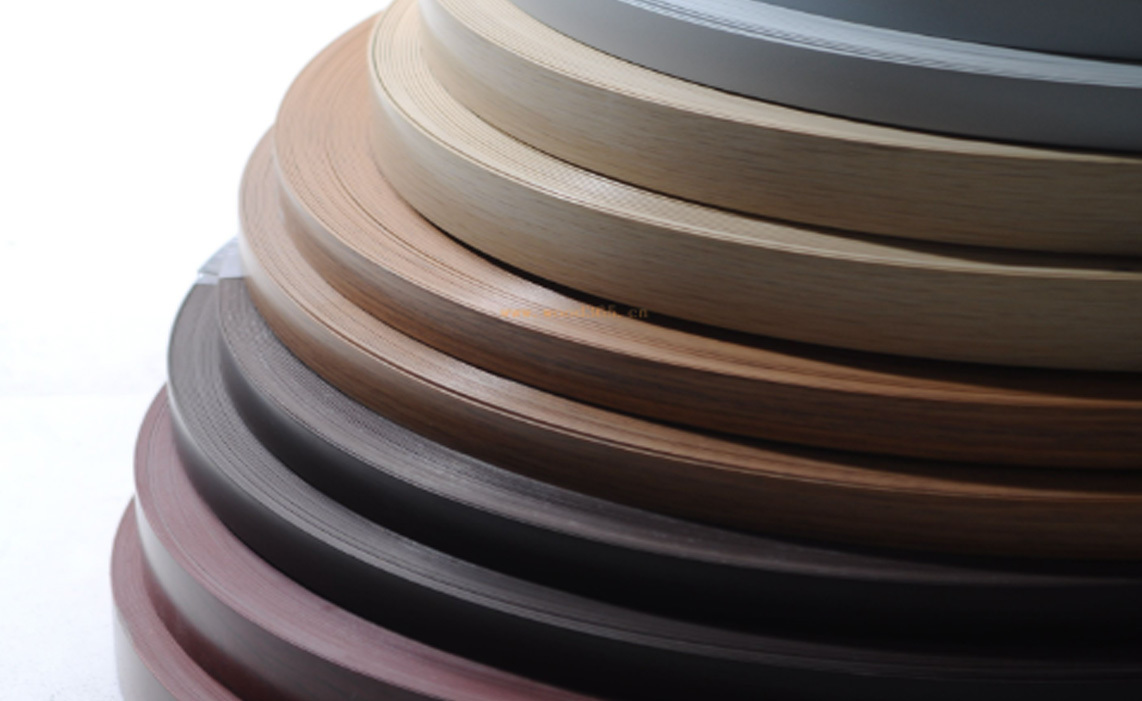
Exploring the Cost Benefits of PVC Edge Banding in Furniture Design
Exploring the Cost Benefits of PVC Edge Banding in Furniture Design Introduction to PVC Edge Banding PVC edge banding has emerged as a revolutionary material in the furniture design industry. This versatile product is predominantly used to cover the exposed edges of particle board, MDF, and plywood, giving furniture a finished look while enhancing durability. In this article, we will explore the v
Read More →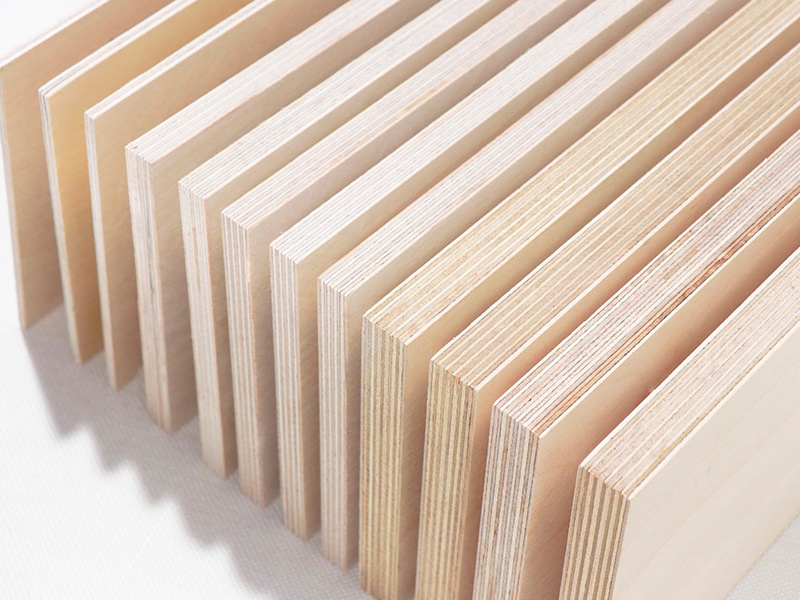
28 Jun,2026
Laminated boards are engineered wood products that play a significant role in the construction and decorative materials industry. They are created by bonding multiple layers of materials, typically wood veneers or particleboard, using adhesives under heat and pressure. This process results in a strong, stable, and durable product that offers numerous advantages over traditional solid wood. One of
Read More →Contact Us
E-mail: devandecor@163.com
Add: NO.8 DONGHUAN RD,HENGLIN TOWN,WUJIN DISTRICT, CHANGZHOU ,JIANGSU,CHINA
Copyright © 2025 Changzhou Defan New Materials Co., Ltd. All rights reserved. www.300.cn SEO
Subscribe our newsletter
Welcome to leave us a message, we will reply to you as soon as possible