
Design Inspirations: Utilizing PVC Edge Banding for a Modern Aesthetic in Interior Spaces
Design Inspirations: Utilizing PVC Edge Banding for a Modern Aesthetic in Interior Spaces Table of Contents 1. Introduction to PVC Edge Banding 2. What is PVC Edge Banding? 3. Benefits of Using PVC Edge Banding in Interior Design 4. Design Inspirations: Creative Uses of PVC Edge Banding 4.1 Modern Furniture Designs 4.2 Kitchen Remodeling Ideas 4.3 Commercial I
Release time:
17 May,2026
Design Inspirations: Utilizing PVC Edge Banding for a Modern Aesthetic in Interior Spaces
Table of Contents
- 1. Introduction to PVC Edge Banding
- 2. What is PVC Edge Banding?
- 3. Benefits of Using PVC Edge Banding in Interior Design
- 4. Design Inspirations: Creative Uses of PVC Edge Banding
- 4.1 Modern Furniture Designs
- 4.2 Kitchen Remodeling Ideas
- 4.3 Commercial Interiors and PVC Edge Banding
- 5. Installation and Maintenance of PVC Edge Banding
- 6. Exploring Color and Texture Options
- 7. Sustainability Aspects of PVC Edge Banding
- 8. Frequently Asked Questions
- 9. Conclusion
1. Introduction to PVC Edge Banding
In the realm of contemporary interior design, **PVC edge banding** is becoming increasingly popular due to its versatility and aesthetic appeal. This material not only enhances the visual integrity of furniture and fixtures but also serves to protect edges from damage. As we delve deeper into the world of **PVC edge banding**, we will uncover its definition, benefits, practical applications, and how it can elevate your interior spaces.
2. What is PVC Edge Banding?
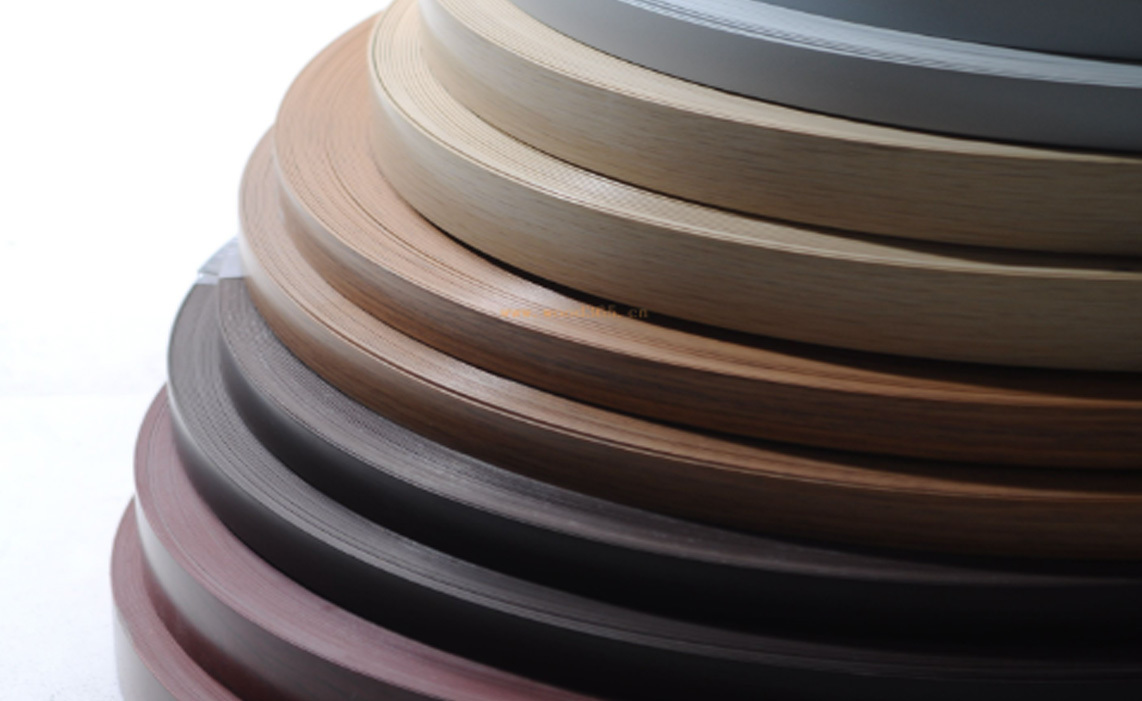
**PVC edge banding** refers to a thin strip of material made from polyvinyl chloride (PVC) that is applied to the edges of furniture, cabinetry, and other surfaces. It effectively covers the exposed edges of particleboard, MDF, or plywood, preventing damage while providing a polished look. Available in a variety of colors and textures, **PVC edge banding** can mimic the appearance of wood or other materials, making it a versatile option for different design styles.
3. Benefits of Using PVC Edge Banding in Interior Design
The use of **PVC edge banding** in interior design comes with a myriad of benefits:
3.1 Durability and Protection
**PVC edge banding** is highly durable and resistant to moisture, scratches, and impacts. This durability ensures that your furniture and cabinetry maintain their appearance over time, making it an excellent investment for high-traffic areas.
3.2 Aesthetic Appeal
Available in various colors, finishes, and textures, **PVC edge banding** can enhance the visual appeal of any interior space. It allows designers to create seamless transitions between surfaces, adding a touch of sophistication and style.
3.3 Cost-Effectiveness
Compared to solid wood or other materials, **PVC edge banding** is often a more cost-effective solution. It allows for the creation of stylish and modern interiors without breaking the bank.
3.4 Ease of Installation
The installation process for **PVC edge banding** is relatively straightforward. With the right tools, it can be applied quickly, making it an ideal choice for both DIY enthusiasts and professional designers.
4. Design Inspirations: Creative Uses of PVC Edge Banding
The versatility of **PVC edge banding** opens up a wealth of design possibilities. Below are some innovative applications that showcase its potential in contemporary interiors.
4.1 Modern Furniture Designs
In modern furniture design, **PVC edge banding** can create clean lines and a sleek finish. Designers are using it on tables, chairs, and shelving units to enhance their shapes while providing a protective barrier against wear and tear. The ability to choose from a variety of wood grains or solid colors allows for customization that can match any style.
4.2 Kitchen Remodeling Ideas
Kitchens benefit greatly from the use of **PVC edge banding**. In a kitchen remodel, applying edge banding to cabinets and countertops can create a cohesive look while ensuring the longevity of the materials. This is particularly useful in areas where moisture is prevalent, as PVC is water-resistant.
4.3 Commercial Interiors and PVC Edge Banding
In commercial environments, **PVC edge banding** serves both functional and aesthetic roles. It can be found in office furniture, retail displays, and hospitality venues, providing durability in high-traffic areas while maintaining a professional appearance. The ability to customize color schemes can also reinforce brand identity.
5. Installation and Maintenance of PVC Edge Banding
Applying **PVC edge banding** requires careful preparation and execution. Follow these steps for a successful installation:
5.1 Preparing the Surface
Ensure the surface where the edge banding will be applied is clean and free from any dust or debris. This will promote better adhesion.
5.2 Cutting the Banding
Using a sharp utility knife or a specialized edge banding trimmer, cut the PVC edge banding to the correct length, ensuring a precise fit.
5.3 Applying the Banding
Heat-activated adhesive is often used for application. Use a hot air gun to activate the adhesive on the banding, then press it firmly onto the edge of the material.
5.4 Trimming and Finishing
After the banding is applied, trim any excess material using a trimmer or knife. Finish the edges with sanding if necessary to achieve a smooth transition.
6. Exploring Color and Texture Options
When it comes to **PVC edge banding**, the options are nearly limitless. From sleek gloss finishes to matte textures that replicate natural woods, there is something to suit every design preference. Some popular choices include:
6.1 Wood Grain Finishes
For a warm, natural look, wood grain finishes can simulate traditional hardwoods. These options are perfect for achieving a classic aesthetic in a contemporary setting.
6.2 Solid Colors
Solid color edge banding can bring a modern touch to any design. Vibrant hues or understated neutrals can be selected to either stand out or blend seamlessly with other elements in the space.
6.3 Textured Finishes
Textured edge banding can add depth and dimension. Options such as brushed or embossed finishes can enhance the tactile experience of furniture and cabinetry.
7. Sustainability Aspects of PVC Edge Banding
As sustainability becomes a focal point in design, the eco-friendliness of materials is increasingly scrutinized. **PVC edge banding** can contribute to sustainable practices in several ways:
7.1 Recyclability
Many **PVC edge banding** products are recyclable, allowing for responsible disposal at the end of their life cycle.
7.2 Longevity
The durability of PVC ensures a longer lifespan, reducing the need for replacements and minimizing waste.
7.3 Low VOC Emissions
Some manufacturers produce low VOC (volatile organic compounds) PVC edge banding, contributing to healthier indoor environments.
8. Frequently Asked Questions
8.1 What types of surfaces can PVC edge banding be applied to?
PVC edge banding can be applied to various surfaces, including particleboard, MDF, and plywood, making it suitable for a wide range of furniture and cabinetry.
8.2 Is PVC edge banding waterproof?
Yes, PVC edge banding is water-resistant, making it an excellent choice for areas that are exposed to moisture, such as kitchens and bathrooms.
8.3 Can I paint PVC edge banding?
While PVC edge banding comes in various colors and finishes, it can also be painted if desired, although it's essential to use appropriate paint designed for plastic materials.
8.4 How do I clean PVC edge banding?
Cleaning PVC edge banding is simple; a damp cloth with mild soap will usually suffice. Avoid abrasive cleaners that could scratch the surface.
8.5 How long does PVC edge banding last?
With proper care, PVC edge banding can last many years, maintaining its color and integrity even in high-traffic areas.
9. Conclusion
Incorporating **PVC edge banding** into contemporary interior designs opens up a realm of possibilities for aesthetic enhancement and functional benefits. Its durability, versatility, and wide range of styles make it an ideal choice for both residential and commercial spaces. By understanding the applications, installation processes, and maintenance of PVC edge banding, designers and homeowners alike can create stunning interiors that stand the test of time. Embracing this innovative material not only elevates design but also reflects a commitment to quality and sustainability in modern living spaces.
Latest Blog

03 Jul,2026
Exploring the Cost Benefits of PVC Edge Banding in Furniture Design
Exploring the Cost Benefits of PVC Edge Banding in Furniture Design Introduction to PVC Edge Banding PVC edge banding has emerged as a revolutionary material in the furniture design industry. This versatile product is predominantly used to cover the exposed edges of particle board, MDF, and plywood, giving furniture a finished look while enhancing durability. In this article, we will explore the v
Read More →
28 Jun,2026
Laminated boards are engineered wood products that play a significant role in the construction and decorative materials industry. They are created by bonding multiple layers of materials, typically wood veneers or particleboard, using adhesives under heat and pressure. This process results in a strong, stable, and durable product that offers numerous advantages over traditional solid wood. One of
Read More →Contact Us
E-mail: devandecor@163.com
Add: NO.8 DONGHUAN RD,HENGLIN TOWN,WUJIN DISTRICT, CHANGZHOU ,JIANGSU,CHINA
Copyright © 2025 Changzhou Defan New Materials Co., Ltd. All rights reserved. www.300.cn SEO
Subscribe our newsletter
Welcome to leave us a message, we will reply to you as soon as possible