
Understanding Laminated Boards: Advancements and Applications in Construction and Interior Design
Laminated boards, also known as engineered wood products, are constructed by bonding layers of wood veneers or particles together using adhesives. This method not only enhances the strength and durability of the material but also contributes to its resistance to warping and cracking. The layered structure allows for the efficient use of wood, making laminated boards an environmentally friendly opt
Release time:
18 May,2026
One of the primary benefits of laminated boards is their versatility in design and application. They can be produced in various thicknesses, sizes, and finishes, making them suitable for a wide range of uses, from structural components such as beams and panels to decorative elements like cabinetry and furniture. The aesthetic appeal of laminated boards is another significant advantage, as they can be customized with different surface treatments to mimic the appearance of natural wood, thereby enhancing the overall design of spaces.
In terms of manufacturing, the production of laminated boards typically involves several stages, including drying the wood, cutting it into sheets, applying adhesive, and pressing the layers together under controlled conditions. Advanced technology and quality control measures ensure a consistent product that meets industry standards. Innovations in adhesive formulations and wood treatment processes have further improved the performance characteristics of laminated boards, making them an increasingly popular choice among architects and designers.
When considering the application of laminated boards in construction and decoration, it is essential to evaluate their performance in terms of load-bearing capacity, moisture resistance, and fire safety. Laminated boards can be engineered to meet specific design requirements, offering enhanced structural integrity while also complying with building regulations. Their lightweight nature allows for easier handling and installation, which can lead to cost savings in labor and time on site.
In summary, laminated boards represent a significant advancement in the realm of construction and decorative materials. Their combination of strength, aesthetic versatility, and environmental sustainability makes them an invaluable resource for professionals in the industry. As technology continues to evolve, the potential for laminated boards in innovative applications is bound to expand, paving the way for new possibilities in design and functionality. Understanding their properties and uses can empower professionals to make informed decisions, ultimately enhancing the quality and efficiency of their projects.
Latest Blog

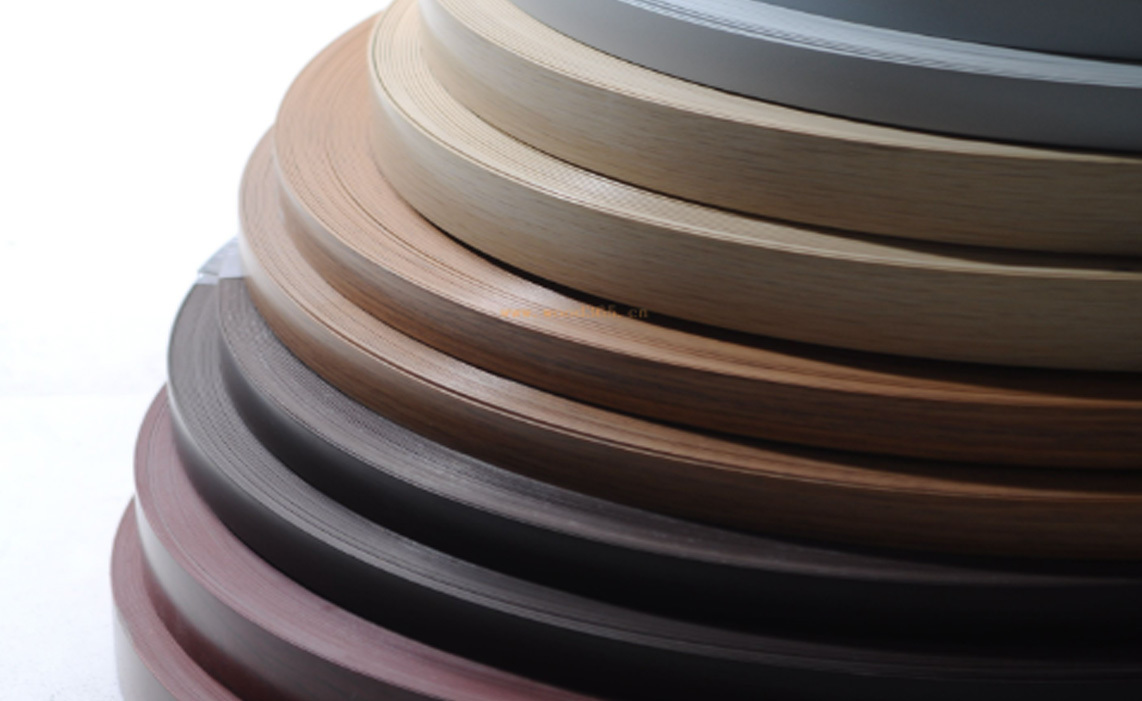
03 Jul,2026
Exploring the Cost Benefits of PVC Edge Banding in Furniture Design
Exploring the Cost Benefits of PVC Edge Banding in Furniture Design Introduction to PVC Edge Banding PVC edge banding has emerged as a revolutionary material in the furniture design industry. This versatile product is predominantly used to cover the exposed edges of particle board, MDF, and plywood, giving furniture a finished look while enhancing durability. In this article, we will explore the v
Read More →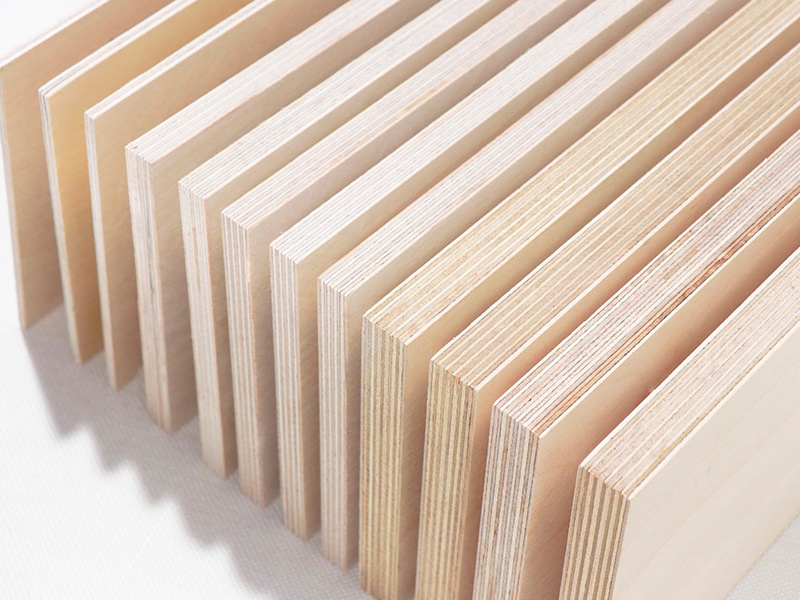
28 Jun,2026
Laminated boards are engineered wood products that play a significant role in the construction and decorative materials industry. They are created by bonding multiple layers of materials, typically wood veneers or particleboard, using adhesives under heat and pressure. This process results in a strong, stable, and durable product that offers numerous advantages over traditional solid wood. One of
Read More →Contact Us
E-mail: devandecor@163.com
Add: NO.8 DONGHUAN RD,HENGLIN TOWN,WUJIN DISTRICT, CHANGZHOU ,JIANGSU,CHINA
Copyright © 2025 Changzhou Defan New Materials Co., Ltd. All rights reserved. www.300.cn SEO
Subscribe our newsletter
Welcome to leave us a message, we will reply to you as soon as possible