
The Future of PVC Edge Banding: Innovative Materials and Technologies
The Future of PVC Edge Banding: Innovative Materials and Technologies In the ever-evolving landscape of construction and decoration materials, **PVC edge banding** has emerged as a crucial component, providing an essential finishing touch to furniture and cabinetry. As we look toward the future, advancements in materials and technologies are transforming PVC edge banding, enhancing its performance
Release time:
19 May,2026
The Future of PVC Edge Banding: Innovative Materials and Technologies
In the ever-evolving landscape of construction and decoration materials, **PVC edge banding** has emerged as a crucial component, providing an essential finishing touch to furniture and cabinetry. As we look toward the future, advancements in materials and technologies are transforming PVC edge banding, enhancing its performance, aesthetics, and environmental impact. This article delves deep into the innovative trends shaping PVC edge banding and explores how these developments are set to redefine industry standards.
Table of Contents
- 1. Introduction to PVC Edge Banding
- 2. Importance of Edge Banding in Modern Furnishings
- 3. Innovative Materials Used in PVC Edge Banding
- 4. Advanced Technologies Revolutionizing Edge Banding
- 5. Sustainability in PVC Edge Banding Production
- 6. Aesthetic Trends in Edge Banding Design
- 7. Future Prospects of PVC Edge Banding
- 8. Frequently Asked Questions
- 9. Conclusion
1. Introduction to PVC Edge Banding
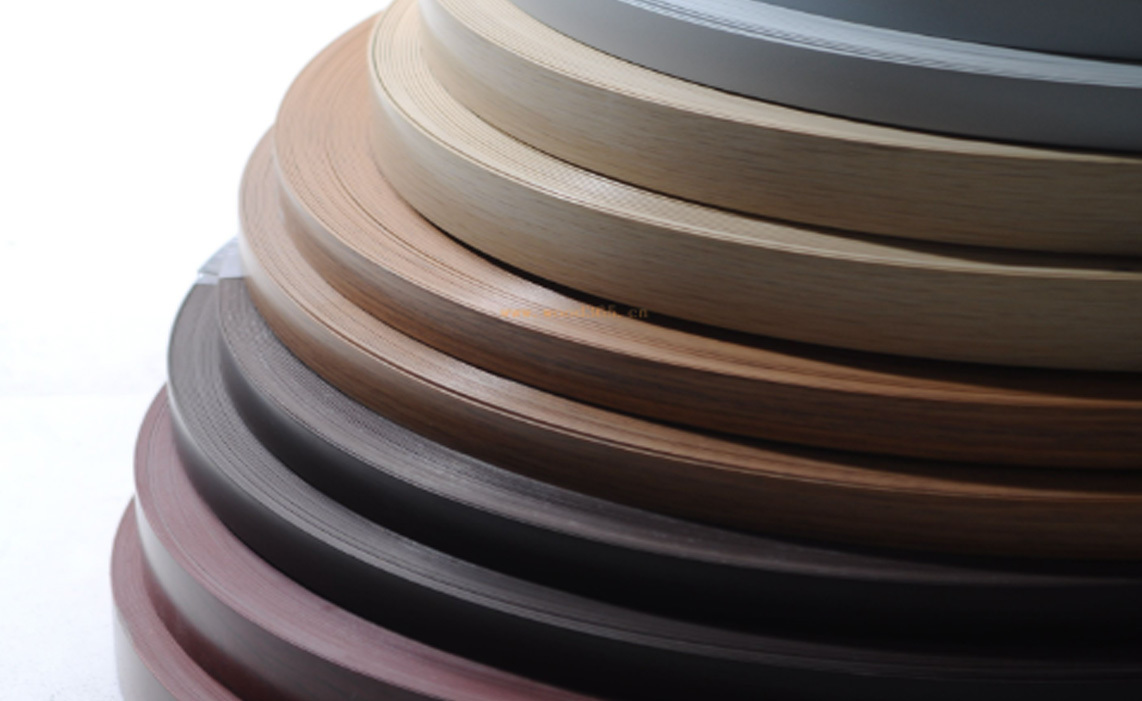
**PVC edge banding** is a thin strip of material used to cover the exposed edges of particleboard, MDF, or plywood panels. This not only enhances the aesthetic appeal but also protects the edges from moisture, wear, and tear. As an integral part of furniture manufacturing, the quality and technology behind PVC edge banding can significantly influence the overall durability and visual impact of finished products.
2. Importance of Edge Banding in Modern Furnishings
The role of edge banding is pivotal in modern furnishings. Here are key reasons why edge banding is essential:
2.1 Protection Against Damage
Edge banding minimizes the risk of chipping and splintering, ensuring that furniture remains visually appealing and functional over time. It acts as a shield against everyday wear and tear.
2.2 Enhanced Aesthetics
Available in a variety of colors, textures, and finishes, PVC edge banding allows manufacturers to achieve a high-end look without the expense of solid wood or premium materials. This versatility makes it a preferred choice in contemporary design.
2.3 Cost-Effective Solution
Using PVC edge banding is a cost-effective method for improving the quality and durability of furniture. It provides a more affordable alternative to solid wood edging while still offering significant protective and aesthetic benefits.
3. Innovative Materials Used in PVC Edge Banding
Recent advancements have led to the development of innovative materials that enhance the performance of PVC edge banding. Some noteworthy materials include:
3.1 Antimicrobial PVC
With increasing awareness regarding hygiene, **antimicrobial PVC** edge banding is gaining popularity. This material inhibits the growth of bacteria and mold, making it ideal for environments such as kitchens and hospitals.
3.2 Recycled PVC
Recycled PVC edge banding is becoming more prevalent due to its sustainable nature. Incorporating recycled materials not only reduces waste but also meets the growing consumer demand for eco-friendly products.
3.3 Flexible PVC
Flexible PVC edge banding has been developed to accommodate curved surfaces. Its adaptability allows for seamless applications, enhancing the design possibilities for manufacturers.
4. Advanced Technologies Revolutionizing Edge Banding
Technological innovations are transforming the manufacturing processes of PVC edge banding. Here are some of the notable advancements:
4.1 Laser Edge Banding
Laser technology has revolutionized edge banding by providing precise cuts and seamless joins. This results in a cleaner finish and eliminates the need for additional adhesive, enhancing the overall durability.
4.2 Automated Production Processes
Automation in edge banding production has increased efficiency and consistency. Automated machines ensure that each piece is manufactured with precision, reducing waste and improving quality control.
4.3 Digital Printing Techniques
Digital printing has opened up new avenues for customization in edge banding. Manufacturers can now produce unique designs and patterns that align with contemporary design trends, offering consumers greater personalization options.
5. Sustainability in PVC Edge Banding Production
Sustainability is a significant focus in the manufacturing of PVC edge banding. Companies are adopting practices to minimize their environmental footprint:
5.1 Eco-Friendly Manufacturing Processes
Modern manufacturers are implementing eco-friendly processes that reduce energy consumption and waste. Techniques such as closed-loop water systems and reduced chemical usage are becoming standard.
5.2 Certifications and Standards
Adhering to environmental certifications like **FSC** (Forest Stewardship Council) and **GREENGUARD** ensures that PVC edge banding products meet stringent sustainability criteria, appealing to environmentally conscious consumers.
5.3 Biodegradable Options
Research is underway to develop biodegradable edge banding materials that can decompose without harming the environment, offering a future-forward solution for sustainable furnishings.
6. Aesthetic Trends in Edge Banding Design
As consumer preferences evolve, so do the aesthetic trends in PVC edge banding. Key trends include:
6.1 Natural Wood Finishes
Natural wood finishes are increasingly popular, offering the beauty of wood without the associated cost or maintenance. These finishes provide a warm and inviting look in contemporary designs.
6.2 Textured Surfaces
Textured edge banding adds depth and interest to furniture. Manufacturers are experimenting with various textures to create tactile experiences that enhance the appeal of their products.
6.3 Bold Colors and Patterns
Vibrant colors and unique patterns are gaining traction, allowing designers to make bold statements. This trend caters to younger, more adventurous consumers seeking individuality in their furnishings.
7. Future Prospects of PVC Edge Banding
The future of PVC edge banding is bright, with numerous trends and technologies poised to shape the industry. Some predictions include:
7.1 Increased Customization
As consumer demand for personalized products continues to rise, manufacturers will invest in customizable edge banding solutions that allow for a wider variety of styles and finishes.
7.2 Advanced Recycling Technologies
Improvements in recycling technologies will enable manufacturers to create high-quality edge banding from recycled materials, further promoting sustainability within the industry.
7.3 Integration with Smart Technologies
Future developments may see the integration of smart technologies into edge banding products, incorporating features like embedded sensors for real-time monitoring of wear and tear.
8. Frequently Asked Questions
8.1 What is PVC edge banding made of?
PVC edge banding is primarily composed of polyvinyl chloride, which is a durable plastic material. It may also include additives for enhanced properties such as flexibility or antimicrobial qualities.
8.2 How is PVC edge banding applied?
PVC edge banding can be applied using various methods, including hot melt adhesive, laser technology, or manual application. The choice of method depends on the desired finish and production volume.
8.3 Is PVC edge banding environmentally friendly?
While traditional PVC may have environmental concerns, advancements in recycling and the use of recycled materials have made PVC edge banding more sustainable. Many manufacturers are now focusing on eco-friendly practices.
8.4 Can PVC edge banding be painted or stained?
Yes, PVC edge banding can be painted or stained to match different décor styles. However, it is essential to use the appropriate products to ensure adhesion and durability.
8.5 What are the benefits of using PVC edge banding?
The benefits include enhanced durability, protection against environmental factors, aesthetic appeal, and cost-effectiveness, making it a popular choice for furniture and cabinetry.
9. Conclusion
As we look ahead, the future of **PVC edge banding** is characterized by innovative materials, advanced technologies, and a strong focus on sustainability and aesthetics. Manufacturers are adapting to meet the changing demands of consumers, paving the way for a new era in furniture production. The combination of practicality and design innovation positions PVC edge banding as a vital component in modern furnishings, ensuring that it remains a top choice for manufacturers and consumers alike. Staying informed about these trends will be essential for industry professionals looking to thrive in this dynamic market.
Latest Blog

03 Jul,2026
Exploring the Cost Benefits of PVC Edge Banding in Furniture Design
Exploring the Cost Benefits of PVC Edge Banding in Furniture Design Introduction to PVC Edge Banding PVC edge banding has emerged as a revolutionary material in the furniture design industry. This versatile product is predominantly used to cover the exposed edges of particle board, MDF, and plywood, giving furniture a finished look while enhancing durability. In this article, we will explore the v
Read More →
28 Jun,2026
Laminated boards are engineered wood products that play a significant role in the construction and decorative materials industry. They are created by bonding multiple layers of materials, typically wood veneers or particleboard, using adhesives under heat and pressure. This process results in a strong, stable, and durable product that offers numerous advantages over traditional solid wood. One of
Read More →Contact Us
E-mail: devandecor@163.com
Add: NO.8 DONGHUAN RD,HENGLIN TOWN,WUJIN DISTRICT, CHANGZHOU ,JIANGSU,CHINA
Copyright © 2025 Changzhou Defan New Materials Co., Ltd. All rights reserved. www.300.cn SEO
Subscribe our newsletter
Welcome to leave us a message, we will reply to you as soon as possible