
Impregnated Paper: A Game Changer for Interior Designers
Impregnated Paper: A Game Changer for Interior Designers Table of Contents 1. Introduction to Impregnated Paper 2. What is Impregnated Paper? 3. The Benefits of Using Impregnated Paper in Interior Design 4. Innovative Applications of Impregnated Paper in Interior Design 5. Tips for Designing with Impregnated Paper 6. Sustainability and Eco-Friendliness of Impregnated Paper
Release time:
21 May,2026
Impregnated Paper: A Game Changer for Interior Designers
Table of Contents
- 1. Introduction to Impregnated Paper
- 2. What is Impregnated Paper?
- 3. The Benefits of Using Impregnated Paper in Interior Design
- 4. Innovative Applications of Impregnated Paper in Interior Design
- 5. Tips for Designing with Impregnated Paper
- 6. Sustainability and Eco-Friendliness of Impregnated Paper
- 7. Maintenance and Care for Impregnated Paper Surfaces
- 8. The Future of Impregnated Paper in Interior Design
- 9. Frequently Asked Questions
- 10. Conclusion
1. Introduction to Impregnated Paper
Impregnated paper is rapidly becoming a favored material among interior designers, thanks to its unique properties and versatility. Unlike traditional paper, impregnated paper undergoes a specialized treatment process that enhances its durability and aesthetic quality. This article delves into the transformative impact of impregnated paper in the world of interior design, highlighting its benefits, applications, and maintenance.
2. What is Impregnated Paper?
Impregnated paper is a type of decorative paper that has been treated with a resin or polymer to enhance its strength, water resistance, and longevity. The process involves saturating the paper with a special solution, which, upon drying, creates a surface that is both visually appealing and robust. This treatment allows impregnated paper to be used in a variety of applications, from wall coverings to furniture surfaces.
Types of Impregnated Paper
There are several types of impregnated paper available, each designed for specific uses. Some popular varieties include:
- **Melamine-impregnated paper**: Commonly used for laminate surfaces, providing a durable finish.
- **Phenolic-impregnated paper**: Known for its high resistance to moisture and heat, ideal for countertops.
- **Decorative impregnated paper**: Often used for wall coverings and furniture, featuring various textures and designs.
3. The Benefits of Using Impregnated Paper in Interior Design
Integrating impregnated paper into interior design offers numerous advantages that set it apart from traditional materials. Here are some key benefits:
Durability
Impregnated paper is highly resistant to wear and tear, making it a perfect choice for high-traffic areas. Its tough exterior can withstand impacts, scratches, and moisture, ensuring longevity.
Aesthetic Variety
Available in a plethora of colors, patterns, and textures, impregnated paper can fit seamlessly into any design theme. Whether you're aiming for a modern, minimalist look or a more traditional aesthetic, there's an impregnated paper option to match your vision.
Cost-Effectiveness
Compared to other decorative materials, impregnated paper is relatively affordable without compromising quality. This makes it an attractive option for budget-conscious designers.
Easy Installation
Impregnated paper can be easily applied to various surfaces, including walls, furniture, and cabinetry. Its lightweight nature facilitates quick installations, reducing project timelines.
Eco-Friendliness
Many manufacturers produce impregnated paper using sustainable practices, contributing to its eco-friendly appeal. This material often contains recycled content and can be recycled at the end of its life cycle.
4. Innovative Applications of Impregnated Paper in Interior Design
The versatility of impregnated paper makes it suitable for various applications within interior design. Here are some innovative uses:
Wall Coverings
Impregnated paper is an excellent choice for wall coverings due to its durability and aesthetic appeal. Designers can use it to create feature walls or to cover entire rooms, providing texture and color without the drawbacks of traditional wallpaper.
Furniture Finishes
From tables to cabinets, impregnated paper can transform furniture with a stylish, durable finish. It resists scratches and stains, making it ideal for both residential and commercial furniture.
Decorative Elements
Impregnated paper can be used in various decorative elements, such as light fixtures, art pieces, and room dividers. Its unique patterns and textures can enhance visual interest in any space.
5. Tips for Designing with Impregnated Paper
When incorporating impregnated paper into your design projects, consider the following tips:
Choose the Right Pattern
Selecting the right pattern is crucial for achieving your desired look. Consider the overall theme of the space and choose designs that complement your vision.
Consider Lighting
Lighting can significantly impact how impregnated paper appears in a room. Test various lighting options to see how they interact with the paper's color and texture.
Mix and Match
Don’t be afraid to combine different types of impregnated paper for a unique look. Layering different patterns and textures can create depth and visual intrigue.
6. Sustainability and Eco-Friendliness of Impregnated Paper
As the design community increasingly prioritizes sustainable materials, impregnated paper stands out. Many manufacturers focus on eco-friendly practices, such as using non-toxic resins and sustainable sourcing methods. This commitment to sustainability makes impregnated paper a responsible choice for environmentally conscious designers.
7. Maintenance and Care for Impregnated Paper Surfaces
To ensure the longevity of impregnated paper surfaces, proper maintenance is essential. Here are some maintenance tips:
Cleaning
Regularly clean impregnated paper surfaces with a damp cloth and mild detergent. Avoid harsh chemicals that could damage the material.
Preventing Damage
While impregnated paper is durable, it's still essential to take care to prevent scratches and dents. Use coasters under items and avoid dragging heavy objects across the surface.
8. The Future of Impregnated Paper in Interior Design
The future of impregnated paper in interior design looks promising. As technology advances, we can expect even more innovative applications and designs. Manufacturers are likely to continue exploring sustainable practices and enhancing the performance characteristics of impregnated paper, ensuring its place as a staple material in the industry.
9. Frequently Asked Questions
What is impregnated paper?
Impregnated paper is a decorative paper treated with resin or polymer to enhance its durability and aesthetic appeal, making it suitable for various applications in interior design.
How is impregnated paper different from traditional wallpaper?
Unlike traditional wallpaper, impregnated paper is more durable, moisture-resistant, and easier to maintain, offering a longer lifespan and greater versatility in design.
Can impregnated paper be used for outdoor applications?
While impregnated paper is designed for durability, it is primarily intended for indoor use. For outdoor applications, consider materials specifically designed to withstand weather conditions.
Is impregnated paper eco-friendly?
Many manufacturers produce impregnated paper using sustainable practices and non-toxic materials, making it an eco-friendly choice for interior design.
How do I install impregnated paper?
Installing impregnated paper typically involves applying adhesive to the surface, aligning the paper, and smoothing it out to remove air bubbles. It's advisable to follow specific manufacturer guidelines for best results.
10. Conclusion
Impregnated paper is undeniably a game changer in the field of interior design. Its durability, aesthetic versatility, and eco-friendly characteristics make it an ideal choice for various applications. By understanding its properties and innovative uses, designers can effectively incorporate impregnated paper into their projects, creating stunning and sustainable interiors. As the industry evolves, the possibilities for impregnated paper will continue to expand, solidifying its status as a vital material in contemporary design.
Latest Blog

03 Jul,2026
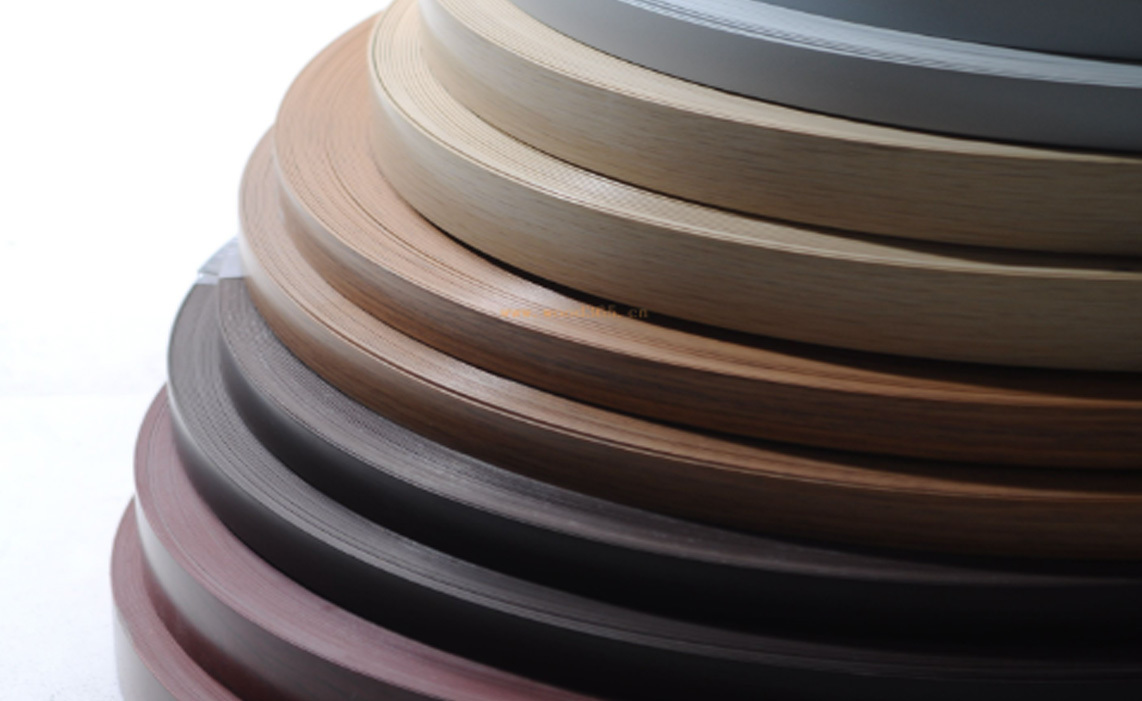
Exploring the Cost Benefits of PVC Edge Banding in Furniture Design
Exploring the Cost Benefits of PVC Edge Banding in Furniture Design Introduction to PVC Edge Banding PVC edge banding has emerged as a revolutionary material in the furniture design industry. This versatile product is predominantly used to cover the exposed edges of particle board, MDF, and plywood, giving furniture a finished look while enhancing durability. In this article, we will explore the v
Read More →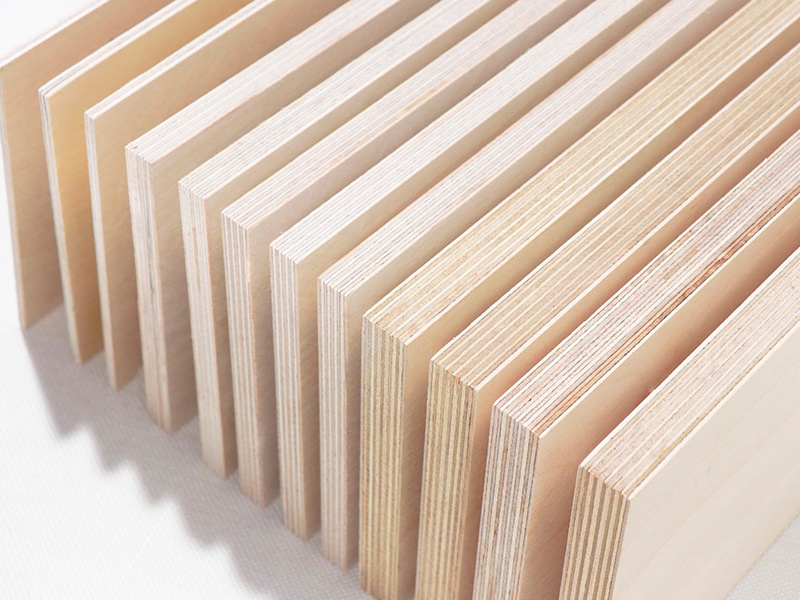
28 Jun,2026
Laminated boards are engineered wood products that play a significant role in the construction and decorative materials industry. They are created by bonding multiple layers of materials, typically wood veneers or particleboard, using adhesives under heat and pressure. This process results in a strong, stable, and durable product that offers numerous advantages over traditional solid wood. One of
Read More →Contact Us
E-mail: devandecor@163.com
Add: NO.8 DONGHUAN RD,HENGLIN TOWN,WUJIN DISTRICT, CHANGZHOU ,JIANGSU,CHINA
Copyright © 2025 Changzhou Defan New Materials Co., Ltd. All rights reserved. www.300.cn SEO
Subscribe our newsletter
Welcome to leave us a message, we will reply to you as soon as possible