
From Concept to Creation: The Comprehensive Journey of Designing Laminated Boards
From Concept to Creation: The Comprehensive Journey of Designing Laminated Boards Table of Contents Introduction to Laminated Boards What Are Laminated Boards? Advantages of Laminated Boards in Construction The Design Process Overview Material Selection for Laminated Boards Production Techniques for Laminated Boards Applications of Laminated Boards Sustainability in the Design of
Release time:
23 May,2026
From Concept to Creation: The Comprehensive Journey of Designing Laminated Boards
Table of Contents
- Introduction to Laminated Boards
- What Are Laminated Boards?
- Advantages of Laminated Boards in Construction
- The Design Process Overview
- Material Selection for Laminated Boards
- Production Techniques for Laminated Boards
- Applications of Laminated Boards
- Sustainability in the Design of Laminated Boards
- Future Trends in Laminated Board Design
- Frequently Asked Questions
- Conclusion
Introduction to Laminated Boards
Laminated boards have become essential materials in the construction and decoration industries. Their versatility, strength, and aesthetic appeal make them an excellent choice for a variety of applications. This article offers a deep dive into the journey of designing laminated boards, providing insights into the materials, processes, and innovations that shape their creation.
What Are Laminated Boards?
Laminated boards are engineered wood products created by bonding together multiple layers of material. These layers can include wood veneers, particleboard, or MDF (medium-density fiberboard), which are then fused using adhesives under heat and pressure. The result is a strong, stable product that offers enhanced durability and resistance to warping and swelling.
Types of Laminated Boards
There are several types of laminated boards, including:
- Phenolic Laminates: Known for their moisture and chemical resistance.
- Melamine Laminates: Often used for their decorative surfaces.
- High-Pressure Laminates (HPL): Durable and impact-resistant, ideal for high-traffic areas.
- Low-Pressure Laminates (LPL): More economical, suitable for less demanding applications.
Advantages of Laminated Boards in Construction
Laminated boards offer numerous advantages that make them a preferred choice in various construction and design projects:
- Strength and Stability: Their engineered nature provides superior strength compared to solid wood.
- Design Flexibility: Available in multiple colors, patterns, and textures, they can mimic natural materials.
- Cost-Effectiveness: Laminated boards are often more affordable than solid wood alternatives.
- Ease of Maintenance: They are easy to clean and maintain, making them practical for everyday use.
- Eco-Friendly Options: Many manufacturers use sustainable practices and materials in their production.
The Design Process Overview
The design process of laminated boards involves several key phases, from conceptualization to the final product. Each stage is critical to ensuring the quality and functionality of the end product.
1. Conceptualization
In the first phase, designers brainstorm ideas based on current trends, customer needs, and application requirements. This involves creating sketches and digital models to visualize the final product.
2. Detailed Design
Once the concept is established, designers create detailed specifications, including dimensions, materials, and finishes. This stage often includes prototyping to test various designs.
3. Prototyping and Testing
Prototypes are essential for assessing the feasibility of the design. Testing includes evaluating the product's strength, appearance, and durability under real-world conditions.
Material Selection for Laminated Boards
Selecting the right materials is crucial in the design of laminated boards. Factors such as durability, cost, and environmental impact must be considered.
Wood Species
The choice of wood species influences both the aesthetic and functional properties of the laminated board. Common species include oak, maple, and birch, each offering unique characteristics.
Adhesives
The adhesive used to bond the layers of laminated boards plays a significant role in their performance. Options include urea-formaldehyde, phenol-formaldehyde, and melamine-formaldehyde adhesives, each with specific properties suited for different applications.
Production Techniques for Laminated Boards
The production of laminated boards involves sophisticated machinery and techniques to ensure precision and quality.
Layering Process
The initial step involves layering the chosen materials. Each layer is arranged according to the intended design, considering factors like grain direction and finish.
Pressing
The layered materials are then subjected to high pressure and heat in a hydraulic press. This process activates the adhesive, bonding the layers together and forming a solid board.
Finishing
After pressing, the laminated boards undergo finishing processes, which may include sanding, coating, and trimming to achieve the desired appearance and specifications.
Applications of Laminated Boards
Laminated boards are incredibly versatile, finding applications across various sectors:
- Furniture Manufacturing: Used to create durable and stylish furniture pieces.
- Interior Design: Employed in wall panels, cabinetry, and countertops.
- Construction: Ideal for flooring, beams, and structural components.
- Commercial Spaces: Common in retail stores and office environments for their aesthetic appeal.
Sustainability in the Design of Laminated Boards
As environmental concerns rise, the demand for sustainable materials grows. Laminated boards can be produced using recycled materials and eco-friendly adhesives, reducing their carbon footprint.
Certification Standards
Many manufacturers seek certifications such as FSC (Forest Stewardship Council) to ensure that their products are sourced sustainably. This adds value and credibility to their offerings.
Future Trends in Laminated Board Design
The laminated board industry is evolving, with trends focusing on innovation and sustainability. Key trends include:
- Smart Materials: Integration of technology to create responsive surfaces.
- Customization: Increased demand for personalized designs in residential and commercial spaces.
- Eco-Friendly Innovations: Development of biodegradable adhesives and sustainable sourcing strategies.
Frequently Asked Questions
1. What are the main advantages of using laminated boards?
Laminated boards offer enhanced strength, versatility in design, cost-effectiveness, and ease of maintenance.
2. How are laminated boards manufactured?
The manufacturing process involves layering different materials, pressing them under heat and pressure, and finishing them to meet design specifications.
3. Can laminated boards be used outdoors?
While some laminated boards are designed for outdoor use, it is essential to choose moisture-resistant materials and finishes.
4. Are laminated boards environmentally friendly?
Many manufacturers produce laminated boards using sustainable practices and materials, making them a more eco-friendly option compared to traditional wood products.
5. What industries commonly use laminated boards?
Laminated boards are widely used in furniture manufacturing, construction, interior design, and various commercial applications.
Conclusion
The journey from concept to creation of laminated boards is a complex yet fascinating process. Understanding the materials, design principles, and production techniques involved can empower architects, designers, and builders to make informed choices that enhance their projects. As the industry continues to evolve, embracing sustainability and innovation will play a vital role in shaping the future of laminated boards. Whether for residential, commercial, or industrial applications, laminated boards remain a cornerstone of modern design and construction.
Latest Blog

03 Jul,2026
Exploring the Cost Benefits of PVC Edge Banding in Furniture Design
Exploring the Cost Benefits of PVC Edge Banding in Furniture Design Introduction to PVC Edge Banding PVC edge banding has emerged as a revolutionary material in the furniture design industry. This versatile product is predominantly used to cover the exposed edges of particle board, MDF, and plywood, giving furniture a finished look while enhancing durability. In this article, we will explore the v
Read More →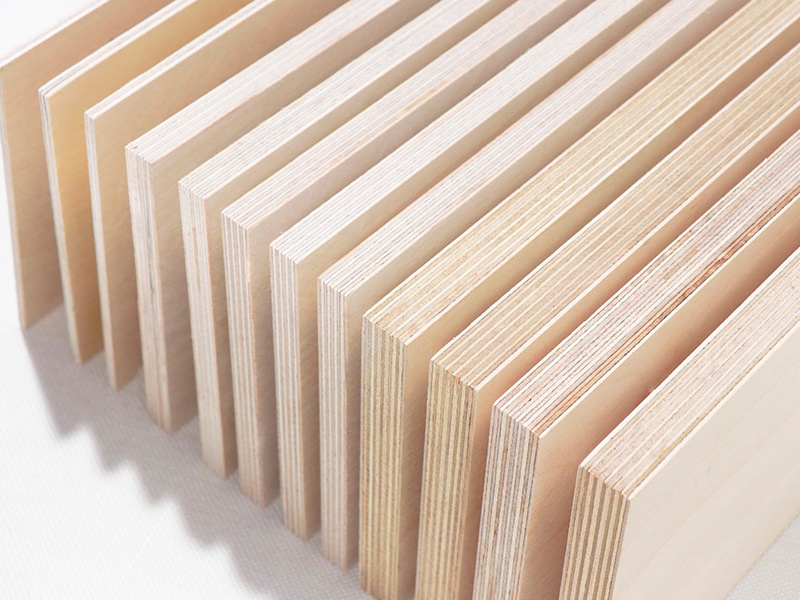
28 Jun,2026
Laminated boards are engineered wood products that play a significant role in the construction and decorative materials industry. They are created by bonding multiple layers of materials, typically wood veneers or particleboard, using adhesives under heat and pressure. This process results in a strong, stable, and durable product that offers numerous advantages over traditional solid wood. One of
Read More →Contact Us
E-mail: devandecor@163.com
Add: NO.8 DONGHUAN RD,HENGLIN TOWN,WUJIN DISTRICT, CHANGZHOU ,JIANGSU,CHINA
Copyright © 2025 Changzhou Defan New Materials Co., Ltd. All rights reserved. www.300.cn SEO
Subscribe our newsletter
Welcome to leave us a message, we will reply to you as soon as possible