
Understanding PVC Edge Banding: A Key Component in Modern Interior Design
PVC edge banding, short for polyvinyl chloride edge banding, is a popular material used in the construction and decorative materials industry, particularly for finishing the exposed edges of particleboard, MDF, and plywood. This type of edge banding provides not only a polished look but also adds a layer of protection against wear and tear, moisture, and other environmental factors. One of the pri
Release time:
24 May,2026
One of the primary advantages of PVC edge banding is its versatility. Available in various colors, textures, and finishes, it can seamlessly match or contrast with the surfaces it adorns. This adaptability makes it an ideal choice for various applications, from kitchen cabinetry to office furniture. The aesthetic appeal of PVC edge banding can elevate the overall design of a space, giving it a modern and sophisticated feel.
Durability is another significant benefit of PVC edge banding. Unlike traditional wood or veneer edge treatments, PVC is resistant to scratching, chipping, and peeling. This resilience ensures that furniture maintains its pristine appearance over time, even in high-traffic areas. Additionally, PVC is inherently resistant to moisture, making it suitable for environments such as kitchens and bathrooms where humidity levels can fluctuate.
Applying PVC edge banding is a straightforward process that can be accomplished using heat, adhesive, or a combination of both methods. The edge banding is typically applied to the raw edges of boards, trimmed to size, and then finished for a seamless look. This process can be carried out in both manufacturing settings and DIY projects, making it accessible for various skill levels.
Maintenance of PVC edge banding is relatively easy. Regular cleaning with a damp cloth and mild detergent is usually sufficient to keep surfaces looking new. Unlike wooden finishes, PVC does not require oiling or refinishing, significantly reducing long-term maintenance efforts and costs.
In summary, PVC edge banding is a vital component in modern interior design, offering both functional and aesthetic benefits. Its durability, versatility, and ease of maintenance make it an excellent choice for anyone looking to enhance the quality and appearance of their furniture and cabinetry. Whether you are an industry professional or a DIY enthusiast, understanding the ins and outs of PVC edge banding can help you create beautiful and long-lasting interiors.
Latest Blog

08 Jul,2026
Understanding Surface Materials: Key Considerations for Architectural and Decorative Applications
Surface materials play a crucial role in the architecture and decorative industry, influencing not only the aesthetic appeal of a space but also its functionality and durability. These materials are the finishing touch that can transform a plain structure into an inviting environment. Understanding the various types of surface materials available and their properties is essential for professionals
Read More →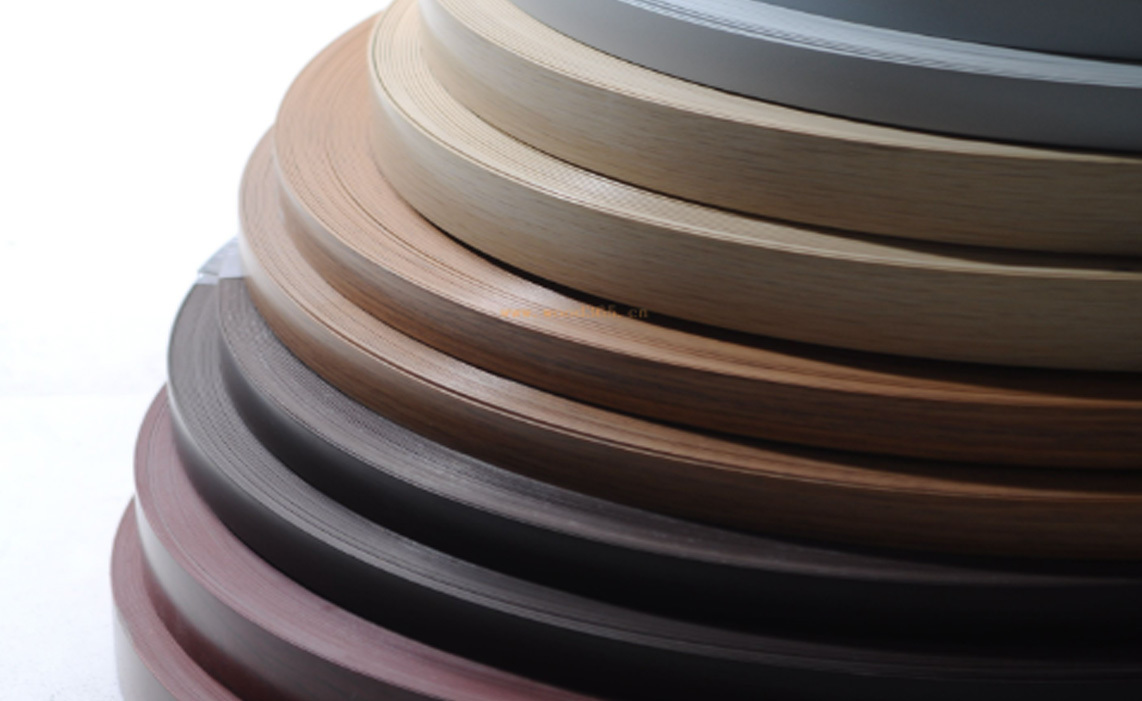
03 Jul,2026
Exploring the Cost Benefits of PVC Edge Banding in Furniture Design
Exploring the Cost Benefits of PVC Edge Banding in Furniture Design Introduction to PVC Edge Banding PVC edge banding has emerged as a revolutionary material in the furniture design industry. This versatile product is predominantly used to cover the exposed edges of particle board, MDF, and plywood, giving furniture a finished look while enhancing durability. In this article, we will explore the v
Read More →Contact Us
E-mail: devandecor@163.com
Add: NO.8 DONGHUAN RD,HENGLIN TOWN,WUJIN DISTRICT, CHANGZHOU ,JIANGSU,CHINA
Copyright © 2025 Changzhou Defan New Materials Co., Ltd. All rights reserved. www.300.cn SEO
Subscribe our newsletter
Welcome to leave us a message, we will reply to you as soon as possible