
Surface Materials for Wellness: Designing Spaces that Promote Health
Introduction to Wellness Design and Surface Materials In recent years, there has been a growing awareness of how our environment affects overall health and well-being. The concept of **wellness design** emphasizes creating spaces that not only look good but also enhance our physical and mental health. Integral to this design philosophy is the choice of **surface materials**. These materials can in
Release time:
25 May,2026
Introduction to Wellness Design and Surface Materials
In recent years, there has been a growing awareness of how our environment affects overall health and well-being. The concept of **wellness design** emphasizes creating spaces that not only look good but also enhance our physical and mental health. Integral to this design philosophy is the choice of **surface materials**. These materials can influence everything from air quality to acoustics and aesthetics, making them crucial for promoting a healthier living or working environment.
Understanding Wellness in Interior Spaces
Wellness in interior design refers to creating spaces that foster a sense of comfort, peace, and vitality. By incorporating elements that cater to the senses, we can enhance emotional well-being, reduce stress, and improve overall quality of life. Key factors influencing wellness design include:
The Role of Natural Light
Natural light is vital for regulating our circadian rhythms and improving mood. Well-placed windows and skylights allow sunlight to flood spaces, creating a bright and inviting atmosphere. Surface materials that reflect and amplify natural light—such as light-colored woods, glossy tiles, or mirrored surfaces—can enhance this effect.
Air Quality and Material Choices
The air we breathe directly impacts our health. Selecting non-toxic, low-VOC (volatile organic compounds) materials is essential for maintaining good indoor air quality. Natural materials like **bamboo**, **cork**, and **recycled wood** not only contribute to better air quality but also bring a touch of nature indoors.
Sound and Acoustics
Noise pollution can lead to stress and negatively affect our ability to concentrate. Incorporating sound-absorbing materials—such as textiles, acoustic panels, and specially designed flooring—can create a quieter, more serene environment. This is particularly important in spaces designed for relaxation, such as homes, spas, and wellness centers.
Choosing the Right Surface Materials for Wellness Design
Selecting the right surface materials is crucial for achieving the wellness design goals of a space. Here are several options that can help promote health and well-being:
Natural Stone
Natural stone, such as granite or marble, offers both durability and aesthetic appeal. Its innate beauty and varied textures can create a calming effect in spaces. Additionally, natural stone has the benefit of being low-maintenance and can withstand the test of time, which makes it ideal for wellness-oriented designs.
Wood Surfaces
Wood is a warm, inviting material that brings a sense of nature indoors. It’s known for its ability to absorb sound and improve air quality. Selecting sustainably sourced woods can enhance the environmental friendliness of a space. Options like reclaimed wood or responsibly harvested timber can contribute to both aesthetics and wellness.
Cork Flooring
Cork is a unique sustainable material that is soft underfoot, making it an excellent choice for flooring in wellness spaces. It has natural antimicrobial properties, is water-resistant, and is highly durable, making it ideal for high-traffic areas. Additionally, cork’s cushioning ability helps reduce fatigue, promoting comfort in spaces where people spend long hours.
Textile Choices for Comfort
The textiles used in a space greatly influence its comfort and aesthetic appeal. Opting for organic fabrics, such as cotton, linen, or wool, ensures a healthier environment. Textiles can also enhance acoustics, provide warmth, and contribute to the overall sensory experience of a space.
Color and Aesthetics in Wellness Design
Color plays a significant role in shaping our emotions and perceptions. When choosing surface materials, it’s essential to consider how colors can influence mood and behavior.
Calming Color Palettes
Soft, muted colors such as pale blues, greens, and earthy tones can create a calming atmosphere conducive to relaxation and wellness. Incorporating these colors into wall treatments, flooring, and decorative elements can significantly enhance a space's tranquility.
Incorporating Biophilic Design
Biophilic design focuses on integrating natural elements into spaces. This can include using natural materials, patterns that mimic nature, and indoor plants. Incorporating these elements not only enhances aesthetics but also promotes mental health and well-being.
Wellness Spaces: Practical Applications of Surface Materials
Different types of spaces can benefit from wellness-oriented surface material choices. Below are practical applications for various environments:
Residential Spaces
In homes, the use of non-toxic paint, natural flooring, and eco-friendly textiles can create a sanctuary for residents. Utilizing materials that are easy to clean and maintain, like quartz countertops or ceramic tiles, can further enhance the healthiness of the living environment.
Commercial and Office Spaces
In corporate settings, designing wellness-oriented environments can lead to increased productivity and employee satisfaction. Using sound-absorbing materials, adjustable lighting, and comfortable furnishings creates a healthier work atmosphere that prioritizes employees' well-being.
Healthcare Facilities
In hospitals and clinics, the choice of surface materials can affect both patient recovery and staff efficiency. Using antimicrobial surfaces, calming color schemes, and natural elements can create a healing environment that promotes wellness for patients and practitioners alike.
Future Trends in Wellness Design Using Surface Materials
As the focus on health and well-being continues to grow, several trends are emerging in the world of wellness design:
Smart Materials
With advancements in technology, smart materials that respond to environmental changes are gaining popularity. For example, surfaces that adjust to light levels or temperature can enhance comfort while promoting energy efficiency.
Sustainable Innovations
An increasing emphasis on sustainability is driving the development of innovative materials. Biodegradable surfaces and upcycled materials are becoming more common, allowing designers to create beautiful, health-promoting spaces while minimizing environmental impact.
FAQs about Surface Materials for Wellness Design
1. What are the best surface materials for promoting wellness in homes?
Natural materials like wood, cork, bamboo, and stone are excellent choices for promoting wellness due to their non-toxic properties and ability to create calming environments.
2. How does color influence wellness design?
Colors can affect emotions and moods. Soft, calming colors promote relaxation, while brighter colors can energize a space. Choosing the right palette is crucial for enhancing well-being.
3. Are there specific materials that improve air quality?
Yes, materials that are low in VOCs, such as natural wood, cork, and certain types of paint, can significantly contribute to better indoor air quality.
4. What role does natural light play in wellness design?
Natural light is essential for regulating circadian rhythms, improving mood, and enhancing productivity. Designing spaces to maximize natural light is a core principle of wellness design.
5. Can incorporating plants improve well-being in interior spaces?
Absolutely! Plants enhance aesthetics, improve air quality, and promote a sense of calm, making them an essential element in wellness-oriented design.
Conclusion
Creating spaces that promote health and well-being through thoughtful selection of surface materials is not just a trend; it’s a fundamental aspect of modern design. By understanding the implications of different materials, colors, and textures, we can craft environments that nurture physical and mental health. As we move forward, embracing innovative, sustainable, and wellness-oriented design principles will lead to spaces that truly enhance our quality of life.
Latest Blog

08 Jul,2026
Understanding Surface Materials: Key Considerations for Architectural and Decorative Applications
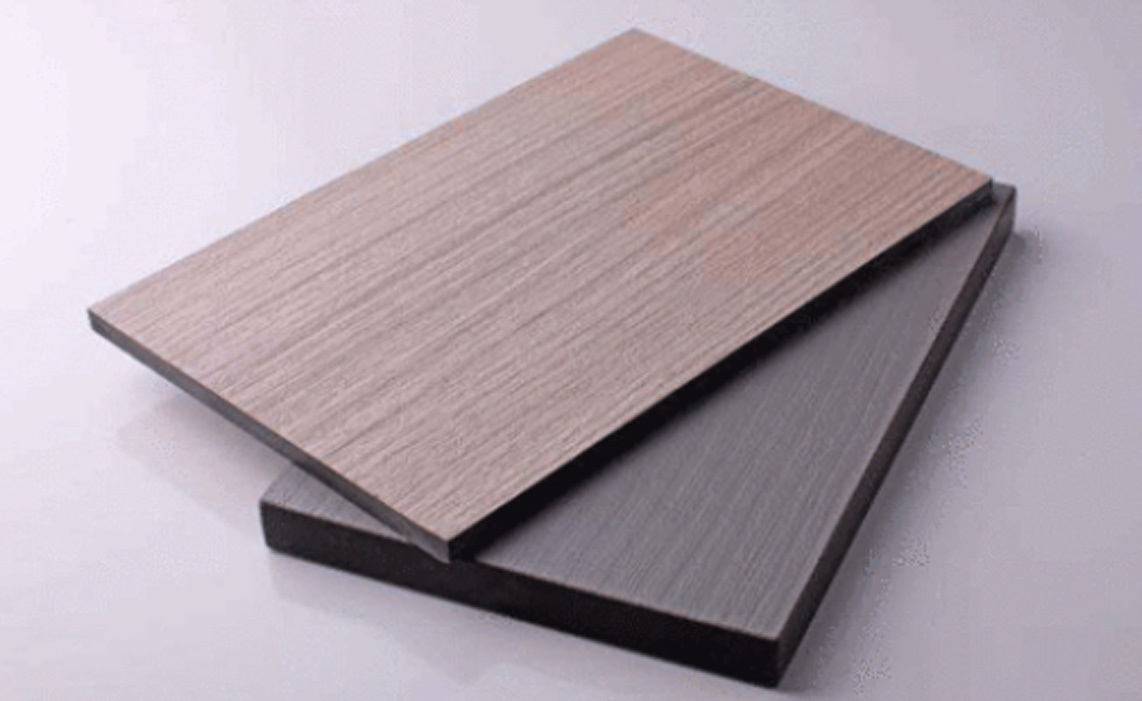
Surface materials play a crucial role in the architecture and decorative industry, influencing not only the aesthetic appeal of a space but also its functionality and durability. These materials are the finishing touch that can transform a plain structure into an inviting environment. Understanding the various types of surface materials available and their properties is essential for professionals
Read More →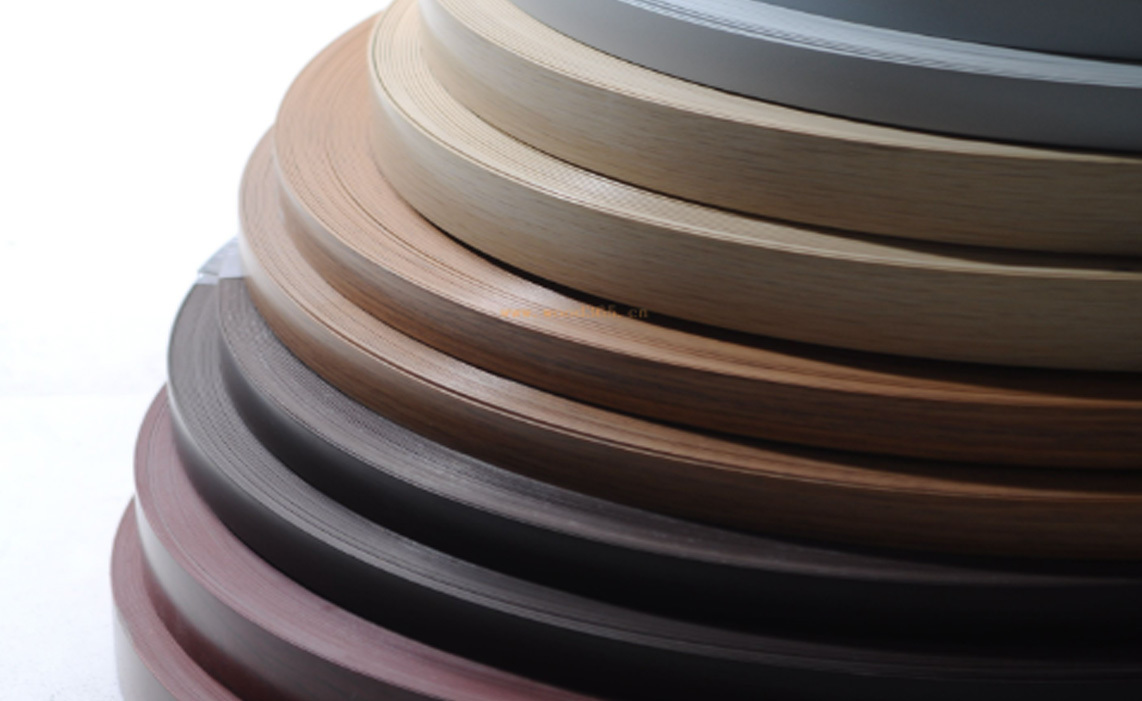
03 Jul,2026
Exploring the Cost Benefits of PVC Edge Banding in Furniture Design
Exploring the Cost Benefits of PVC Edge Banding in Furniture Design Introduction to PVC Edge Banding PVC edge banding has emerged as a revolutionary material in the furniture design industry. This versatile product is predominantly used to cover the exposed edges of particle board, MDF, and plywood, giving furniture a finished look while enhancing durability. In this article, we will explore the v
Read More →Contact Us
E-mail: devandecor@163.com
Add: NO.8 DONGHUAN RD,HENGLIN TOWN,WUJIN DISTRICT, CHANGZHOU ,JIANGSU,CHINA
Copyright © 2025 Changzhou Defan New Materials Co., Ltd. All rights reserved. www.300.cn SEO
Subscribe our newsletter
Welcome to leave us a message, we will reply to you as soon as possible