
PVC Edge Banding vs. Traditional Finishing: Pros and Cons Explained in Detail
PVC Edge Banding vs. Traditional Finishing: Pros and Cons Explained in Detail Table of Contents 1. Introduction to Edge Banding and Traditional Finishing 2. What is PVC Edge Banding? 2.1 Types of PVC Edge Banding 2.2 Application of PVC Edge Banding 3. What is Traditional Finishing? 3.1 Types of Traditional Finishing
Release time:
27 May,2026
PVC Edge Banding vs. Traditional Finishing: Pros and Cons Explained in Detail
Table of Contents
- 1. Introduction to Edge Banding and Traditional Finishing
- 2. What is PVC Edge Banding?
- 3. What is Traditional Finishing?
- 4. Pros and Cons of PVC Edge Banding
- 5. Pros and Cons of Traditional Finishing
- 6. Cost Comparison: PVC Edge Banding vs. Traditional Finishing
- 7. Durability and Maintenance: A Key Consideration
- 8. Aesthetic Appeal: Which Finishing Method Wins?
- 9. Frequently Asked Questions
- 10. Conclusion: Making the Right Choice for Your Project
1. Introduction to Edge Banding and Traditional Finishing
In the world of furniture and cabinetry, the finishing touches can make a significant difference in aesthetics and performance. **PVC edge banding** and **traditional finishing techniques** stand out as two popular options for sealing the edges of materials, particularly when working with particleboard, MDF, or plywood. Understanding the pros and cons of each method is essential for any designer, contractor, or DIY enthusiast aiming to achieve a professional-grade finish.
In this article, we will delve deep into the nuances of both PVC edge banding and traditional finishing, providing a thorough comparison that highlights their respective strengths and weaknesses. By the end, you will have the insights needed to choose the best option for your specific project needs.
2. What is PVC Edge Banding?
PVC edge banding is a thin strip of polyvinyl chloride (PVC) that is applied to the exposed edges of materials such as particleboard or MDF to enhance their durability and aesthetics. This method is particularly favored in modern cabinetry and furniture due to its versatility and ease of use.
2.1 Types of PVC Edge Banding
The market offers various types of PVC edge banding, including:
- **Standard PVC Edge Banding:** Available in numerous colors and finishes, suitable for most applications.
- **Textured PVC Edge Banding:** Mimics natural wood grains or other textures for a more authentic look.
- **Glossy PVC Edge Banding:** Offers a shiny finish that can enhance the visual appeal of cabinetry.
2.2 Application of PVC Edge Banding
Applying PVC edge banding is a relatively straightforward process. It typically involves the following steps:
1. **Cutting the Banding:** The edge banding is cut to the appropriate length.
2. **Heat Activation:** A heat gun or an iron is used to activate the adhesive on the edge banding.
3. **Pressing:** The banding is pressed onto the edge of the board, ensuring a tight seal.
4. **Trimming:** Excess banding is trimmed away for a neat finish.
This method is quick and efficient, making it an attractive option for high-volume production.
3. What is Traditional Finishing?
Traditional finishing encompasses a variety of techniques used to seal and protect the edges of materials. Common methods include painting, staining, and varnishing. Each technique offers unique benefits and aesthetics, making them suitable for different applications.
3.1 Types of Traditional Finishing
Some of the most common traditional finishing methods include:
- **Painting:** Adds color and protection, suitable for various materials.
- **Staining:** Enhances the natural beauty of wood while providing some protection.
- **Varnishing:** Creates a hard protective layer that enhances durability and sheen.
3.2 Application of Traditional Finishing
The application of traditional finishes typically involves several steps:
1. **Preparation:** Surface preparation is crucial, including sanding and cleaning.
2. **Apply Stain or Paint:** An even coat is applied using brushes, rollers, or spray guns.
3. **Sealing with Varnish:** A sealing coat can be added for additional protection.
4. **Curing:** Allowing the finish to cure properly ensures durability.
While traditional finishing methods may take longer, they can yield beautiful results when done correctly.
4. Pros and Cons of PVC Edge Banding
4.1 Advantages of PVC Edge Banding
- **Durability:** PVC edge banding is highly resistant to moisture, scratches, and impacts, making it ideal for high-traffic areas.
- **Cost-Effective:** Compared to some traditional finishing methods, PVC edge banding can be more economical, especially for mass production.
- **Ease of Application:** The application process is quick and does not require extensive surface preparation.
- **Wide Variety:** Available in numerous colors and textures, allowing for customization to match any design scheme.
4.2 Disadvantages of PVC Edge Banding
- **Limited Repair Options:** If damaged, PVC edge banding may need to be entirely replaced rather than repaired.
- **Heat Sensitivity:** PVC can deform under high temperatures, limiting its application in certain environments.
- **Less Traditional Appeal:** Some might prefer the look and feel of natural finishes over synthetic options.
5. Pros and Cons of Traditional Finishing
5.1 Advantages of Traditional Finishing
- **Aesthetic Variety:** Traditional finishes offer a broader range of aesthetic options, including unique textures and colors.
- **Repairable:** If a traditional finish is scratched or damaged, it can often be repaired without complete replacement.
- **Natural Look:** Many designers favor the authentic appearance of wood and other natural materials enhanced through traditional techniques.
5.2 Disadvantages of Traditional Finishing
- **Time-Consuming:** The preparation and application process can be lengthy, especially for high-quality finishes.
- **Maintenance Requirements:** Traditional finishes may require regular maintenance to preserve their appearance and performance.
- **Environmental Concerns:** Some traditional finishing products may contain harmful chemicals that can be detrimental to health and the environment.
6. Cost Comparison: PVC Edge Banding vs. Traditional Finishing
When considering costs, **PVC edge banding** is generally more affordable on a per-unit basis, especially for large-scale projects. The savings come not only from lower material costs but also from reduced labor expenses due to quicker application times.
On the other hand, **traditional finishing** can lead to higher upfront costs due to labor, materials, and the need for more extensive preparation and curing times. However, the long-term durability of high-quality finishes may justify the investment, particularly for high-end projects.
7. Durability and Maintenance: A Key Consideration
Durability is a crucial factor when choosing between PVC edge banding and traditional finishing. **PVC edge banding** excels in environments subject to moisture and wear, making it an excellent choice for kitchens and bathrooms. Its low maintenance requirements are also appealing, as a simple wipe-down usually suffices for cleaning.
**Traditional finishes**, while beautiful, may require more upkeep. Regular cleaning, periodic reapplication, and touch-ups can be necessary to maintain their appearance and protective qualities. This maintenance can become costly and time-consuming over the lifespan of the furniture.
8. Aesthetic Appeal: Which Finishing Method Wins?
Aesthetic appeal often comes down to personal preference. **PVC edge banding** offers uniformity and a modern look, making it ideal for contemporary designs. On the other hand, **traditional finishing** can highlight the unique characteristics of natural wood, appealing to those who value craftsmanship and authenticity.
In many cases, the choice between the two methods will depend on the specific design goals and the desired feel of the final product.
9. Frequently Asked Questions
1. Is PVC edge banding durable?
Yes, PVC edge banding is highly durable and resistant to moisture, scratches, and impacts, making it suitable for a variety of environments.
2. Can traditional finishes be repaired?
Yes, traditional finishes can often be sanded down and reapplied or touched up, depending on the extent of the damage.
3. Which option is more cost-effective for large projects?
PVC edge banding is generally more cost-effective for large projects due to lower material and labor costs.
4. Does PVC edge banding come in various colors?
Yes, PVC edge banding is available in a wide range of colors and textures to match different design preferences.
5. Which finishing method is better for high-moisture areas?
PVC edge banding is better suited for high-moisture areas, such as kitchens and bathrooms, due to its resistance to moisture damage.
10. Conclusion: Making the Right Choice for Your Project
Choosing between **PVC edge banding** and **traditional finishing** ultimately depends on your project requirements, budget, and aesthetic preferences. While PVC edge banding offers cost savings and durability, traditional finishing provides a timeless appeal and the ability to repair and maintain over time. By understanding the unique benefits and drawbacks of each method, you can make a well-informed decision that aligns with your vision and practical needs. Whether you opt for the sleek, modern look of PVC or the classic charm of traditional finishes, the right choice will elevate your project and ensure lasting satisfaction.
Latest Blog

08 Jul,2026
Understanding Surface Materials: Key Considerations for Architectural and Decorative Applications
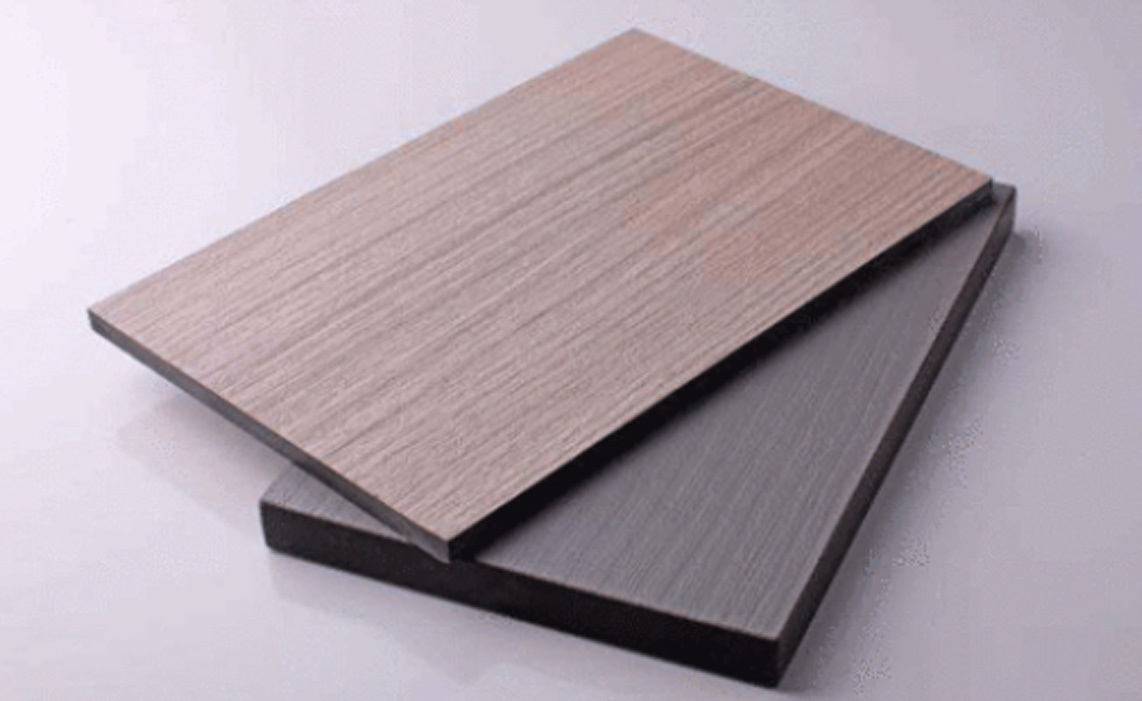
Surface materials play a crucial role in the architecture and decorative industry, influencing not only the aesthetic appeal of a space but also its functionality and durability. These materials are the finishing touch that can transform a plain structure into an inviting environment. Understanding the various types of surface materials available and their properties is essential for professionals
Read More →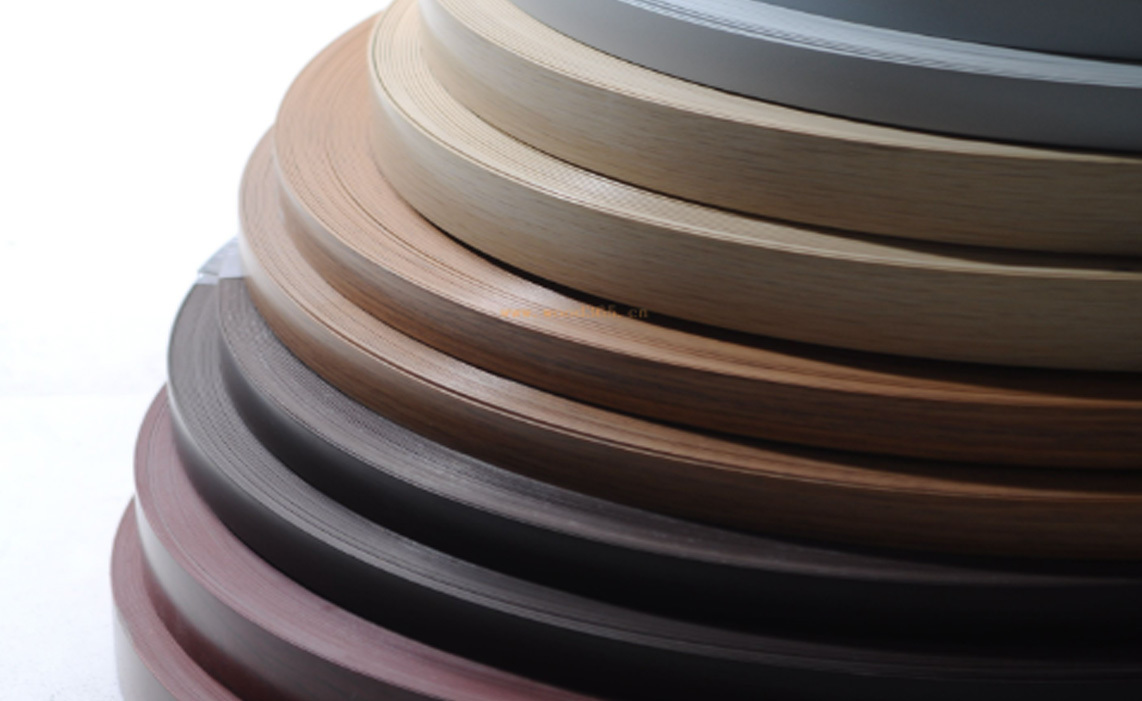
03 Jul,2026
Exploring the Cost Benefits of PVC Edge Banding in Furniture Design
Exploring the Cost Benefits of PVC Edge Banding in Furniture Design Introduction to PVC Edge Banding PVC edge banding has emerged as a revolutionary material in the furniture design industry. This versatile product is predominantly used to cover the exposed edges of particle board, MDF, and plywood, giving furniture a finished look while enhancing durability. In this article, we will explore the v
Read More →Contact Us
E-mail: devandecor@163.com
Add: NO.8 DONGHUAN RD,HENGLIN TOWN,WUJIN DISTRICT, CHANGZHOU ,JIANGSU,CHINA
Copyright © 2025 Changzhou Defan New Materials Co., Ltd. All rights reserved. www.300.cn SEO
Subscribe our newsletter
Welcome to leave us a message, we will reply to you as soon as possible