
Laminated Board for Interior Use: Combining Functionality and Aesthetics
Laminated board for interior use: durable, decorative, moisture-resistant panels ideal for walls, furniture, and cabinetry
Release time:
02 Apr,2026
Laminated boards for interior use have become an essential material in modern interior design and furniture manufacturing. These boards are engineered to provide both structural integrity and visual appeal, making them suitable for a wide range of applications, from residential spaces to commercial interiors. The core of laminated boards typically consists of medium-density fiberboard (MDF), particleboard, or plywood, which is then coated with a decorative laminate layer. This laminate can be made from high-pressure laminate (HPL), melamine, or other composite materials that offer resistance to scratches, stains, moisture, and heat.
One of the primary advantages of laminated boards is their versatility. They are available in an extensive range of colors, textures, and finishes, allowing designers and homeowners to match them with any interior style. Whether it is a glossy finish for a contemporary kitchen, a wood-grain texture for a cozy living room, or a matte surface for a professional office setting, laminated boards provide limitless design possibilities. Additionally, these boards can be easily cut, shaped, and drilled, facilitating custom furniture and cabinetry production.
Durability and maintenance are also key benefits. Laminated surfaces are highly resistant to everyday wear and tear, making them ideal for high-traffic areas such as kitchens, offices, and commercial spaces. They do not require complex upkeep; regular cleaning with a damp cloth and mild detergent is sufficient to maintain their appearance. Unlike solid wood, laminated boards are less prone to warping or cracking under normal indoor conditions, providing long-term stability.
Another important aspect is cost-effectiveness. Laminated boards offer the visual appeal of expensive materials like natural wood or stone at a fraction of the cost. This affordability makes them a popular choice for both large-scale commercial projects and small residential renovations. Moreover, they are lightweight compared to solid wood, which reduces transportation costs and simplifies installation.
Environmental considerations are increasingly important in interior design. Many manufacturers now produce laminated boards with eco-friendly materials and low-emission adhesives, helping reduce indoor air pollution and support sustainable construction practices. Some laminated boards are also recyclable, further minimizing their environmental impact.
Laminated boards are widely used in furniture and cabinetry, including kitchen cabinets, wardrobes, shelves, and office desks. They are also applied as wall panels, partitions, and ceiling panels, providing both functional and decorative solutions. With the growing trend of modular interiors, laminated boards allow for flexible design and easy replacement or modification of components without major reconstruction.
However, it is essential to select the right type of laminated board for specific applications. Boards used in areas with high moisture levels, such as bathrooms or kitchens, should have moisture-resistant cores and laminates. Proper installation, including sealing edges and joints, is crucial to prevent water ingress and maintain durability. In addition, attention should be paid to the thickness, load-bearing capacity, and surface finish to ensure suitability for the intended purpose.
In conclusion, laminated boards for interior use offer an ideal combination of functionality, aesthetics, and cost-efficiency. Their versatility, durability, and wide variety of finishes make them an essential material for modern interior design. By choosing high-quality laminated boards and following proper installation and maintenance practices, homeowners, designers, and architects can achieve beautiful, practical, and long-lasting interior solutions.
Latest Blog

03 Jul,2026
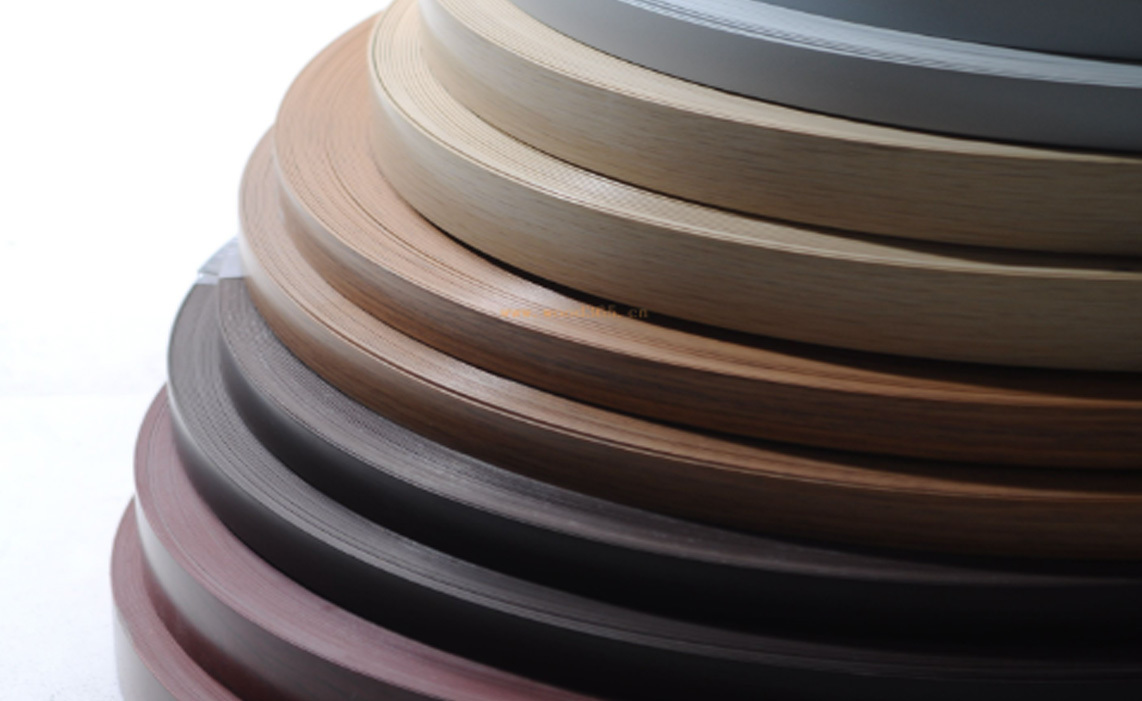
Exploring the Cost Benefits of PVC Edge Banding in Furniture Design
Exploring the Cost Benefits of PVC Edge Banding in Furniture Design Introduction to PVC Edge Banding PVC edge banding has emerged as a revolutionary material in the furniture design industry. This versatile product is predominantly used to cover the exposed edges of particle board, MDF, and plywood, giving furniture a finished look while enhancing durability. In this article, we will explore the v
Read More →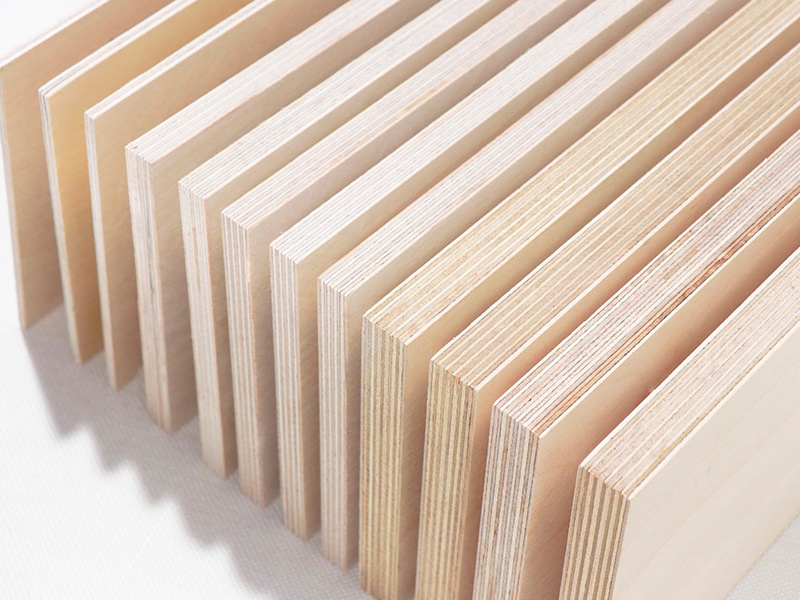
28 Jun,2026
Laminated boards are engineered wood products that play a significant role in the construction and decorative materials industry. They are created by bonding multiple layers of materials, typically wood veneers or particleboard, using adhesives under heat and pressure. This process results in a strong, stable, and durable product that offers numerous advantages over traditional solid wood. One of
Read More →Contact Us
E-mail: devandecor@163.com
Add: NO.8 DONGHUAN RD,HENGLIN TOWN,WUJIN DISTRICT, CHANGZHOU ,JIANGSU,CHINA
Copyright © 2025 Changzhou Defan New Materials Co., Ltd. All rights reserved. www.300.cn SEO
Subscribe our newsletter
Welcome to leave us a message, we will reply to you as soon as possible