
How Surface Materials Can Enhance Your Home's Energy Efficiency
How Surface Materials Can Enhance Your Home's Energy Efficiency Table of Contents Introduction to Energy Efficiency in Your Home Understanding Surface Materials and Their Role Types of Surface Materials that Improve Energy Efficiency Insulating Materials Reflective Surfaces Sustainable and Eco-Friendly Materials
Release time:
03 Apr,2026
How Surface Materials Can Enhance Your Home's Energy Efficiency
Table of Contents
- Introduction to Energy Efficiency in Your Home
- Understanding Surface Materials and Their Role
- Types of Surface Materials that Improve Energy Efficiency
- Benefits of Energy-Efficient Surface Materials
- How to Select the Right Surface Materials for Your Home
- Installation Tips for Maximum Effectiveness
- Cost vs. Value Analysis of Energy-Efficient Materials
- Case Studies: Real-World Applications
- Frequently Asked Questions
- Conclusion
Introduction to Energy Efficiency in Your Home
In an age where sustainability and energy conservation are becoming increasingly important, understanding how **surface materials** can enhance your home's **energy efficiency** is crucial. As homeowners, we have the opportunity to make smarter choices about the materials we use, influencing both our energy consumption and our environmental footprint. This guide will provide you with insights into various surface materials, their benefits, and how you can effectively implement them in your home to maximize energy efficiency.
Understanding Surface Materials and Their Role
Surface materials refer to the various finishes and coatings applied to walls, floors, roofs, and other surfaces within your home. These materials can significantly affect thermal performance, insulation, and the overall energy consumption of a building. By understanding how different materials interact with energy transfer, you can make informed choices that support energy efficiency and comfort.
Types of Surface Materials that Improve Energy Efficiency
When it comes to improving energy efficiency, not all surface materials are created equal. Let's explore some of the most effective types.
Insulating Materials
**Insulating materials** play a vital role in reducing heat loss in winter and heat gain in summer. By maximizing thermal resistance, these materials help maintain a consistent indoor temperature, reducing reliance on heating and cooling systems.
- **Fiberglass Insulation**: Known for its excellent thermal resistance and cost-effectiveness, fiberglass insulation can be installed in walls, attics, and crawl spaces to significantly reduce energy costs.
- **Spray Foam Insulation**: Offering superior air sealing capabilities, spray foam insulation expands to fill gaps and cracks, effectively minimizing air infiltration and enhancing energy efficiency.
- **Reflective Insulation**: This type of insulation reflects radiant heat away from living spaces, making it particularly effective in hot climates.
Reflective Surfaces
**Reflective surfaces** can also contribute to energy efficiency by minimizing heat absorption. These surfaces are especially beneficial in building exteriors.
- **Cool Roofs**: Cool roofing materials reflect more sunlight and absorb less heat, making them ideal for reducing cooling costs in warm climates. They can significantly lower indoor temperatures and prolong the lifespan of roofing materials.
- **Light-Colored Exterior Finishes**: Using light-colored paints or finishes on exterior walls can enhance reflection and reduce heat absorption. This simple change can lead to lower energy bills and increased comfort.
Sustainable and Eco-Friendly Materials
Sustainable materials not only improve energy efficiency but also contribute to a healthier environment. Opting for eco-friendly options can help reduce your carbon footprint and enhance indoor air quality.
- **Recycled Materials**: Utilizing recycled glass, metal, or plastic in surfaces can minimize resource consumption while providing aesthetic appeal.
- **Bamboo and Cork**: These renewable materials are not only sustainable but also possess natural insulating properties, making them excellent choices for flooring and wall coverings.
Benefits of Energy-Efficient Surface Materials
Investing in energy-efficient surface materials presents numerous benefits:
1. **Reduced Energy Bills**: By minimizing energy use, homeowners can enjoy significant savings on monthly utility bills.
2. **Increased Comfort**: A well-insulated home maintains a consistent temperature, enhancing comfort for occupants year-round.
3. **Environmental Impact**: Improved energy efficiency translates to reduced greenhouse gas emissions, making a positive contribution to the environment.
4. **Property Value**: Energy-efficient homes often have higher resale values, appealing to environmentally conscious buyers.
5. **Enhanced Aesthetics**: Many energy-efficient materials come in diverse styles and finishes, allowing homeowners to enhance the visual appeal of their spaces.
How to Select the Right Surface Materials for Your Home
Choosing the right materials requires a thorough understanding of your home’s unique needs. Consider the following factors:
- **Climate**: Different materials perform better in varying climates. For instance, reflective surfaces are more beneficial in warmer climates, while insulation materials are crucial in colder regions.
- **Building Design**: The architectural style and orientation of your home can affect how energy-efficient certain materials will be.
- **Budget**: Evaluate the initial investment versus long-term energy savings. While some materials may have higher upfront costs, they often pay off in the long run.
Installation Tips for Maximum Effectiveness
Proper installation is key to realizing the benefits of energy-efficient materials. Here are essential tips:
1. **Hire Professionals**: For complex installations, consider hiring certified professionals to ensure compliance with building codes and best practices.
2. **Follow Manufacturer Guidelines**: Always adhere to the manufacturer's recommendations for installation to guarantee optimal performance.
3. **Seal Gaps**: Ensure all gaps and seams are properly sealed to prevent air leaks, which can undermine the effectiveness of your insulation.
Cost vs. Value Analysis of Energy-Efficient Materials
When assessing the cost versus value of energy-efficient surface materials, consider both short-term and long-term perspectives:
- **Initial Costs**: While some materials may require a larger upfront investment, their long-term savings can outweigh the costs.
- **Return on Investment (ROI)**: Look at potential energy savings over time. Energy-efficient upgrades can result in higher property values and lower energy expenditures.
Case Studies: Real-World Applications
To illustrate the impact of energy-efficient surface materials, let’s examine a few case studies:
- **Case Study 1: Retrofits in a Family Home**
A family in a moderate climate retrofitted their home with reflective roofing and improved insulation. They reported a 30% reduction in energy bills within the first year, showcasing the effectiveness of strategic material choices.
- **Case Study 2: New Build with Sustainable Materials**
A couple building their dream home utilized bamboo flooring and recycled glass countertops. Not only did they benefit from lower energy costs, but they also enhanced the home's aesthetic appeal while making eco-friendly choices.
Frequently Asked Questions
1. **What are energy-efficient surface materials?**
Energy-efficient surface materials are those designed to reduce energy consumption in homes through improved insulation, reflection, or sustainability.
2. **How do surface materials affect energy bills?**
By enhancing insulation and reducing heat absorption, energy-efficient materials can lower heating and cooling costs, ultimately reducing energy bills.
3. **Can I install energy-efficient materials myself?**
While some materials can be installed DIY-style, it's advisable to hire professionals for complex installations to ensure optimal performance.
4. **What is the best insulation material for energy efficiency?**
Fiberglass and spray foam are among the top choices for effective insulation, as they provide excellent thermal resistance.
5. **Are sustainable materials worth the investment?**
Yes, while they may come with a higher initial cost, sustainable materials often result in long-term savings and contribute positively to the environment.
Conclusion
By understanding and implementing energy-efficient surface materials, homeowners can significantly enhance their home's performance while contributing to a more sustainable future. From insulation to reflective surfaces and eco-friendly options, each material offers unique benefits that can lead to reduced energy costs, increased comfort, and a healthier environment. As we move towards a more energy-conscious society, making informed choices about surface materials can pave the way for a more sustainable and efficient home. Take the first step today towards optimizing your home's energy efficiency by exploring the materials that best suit your needs.
Latest Blog
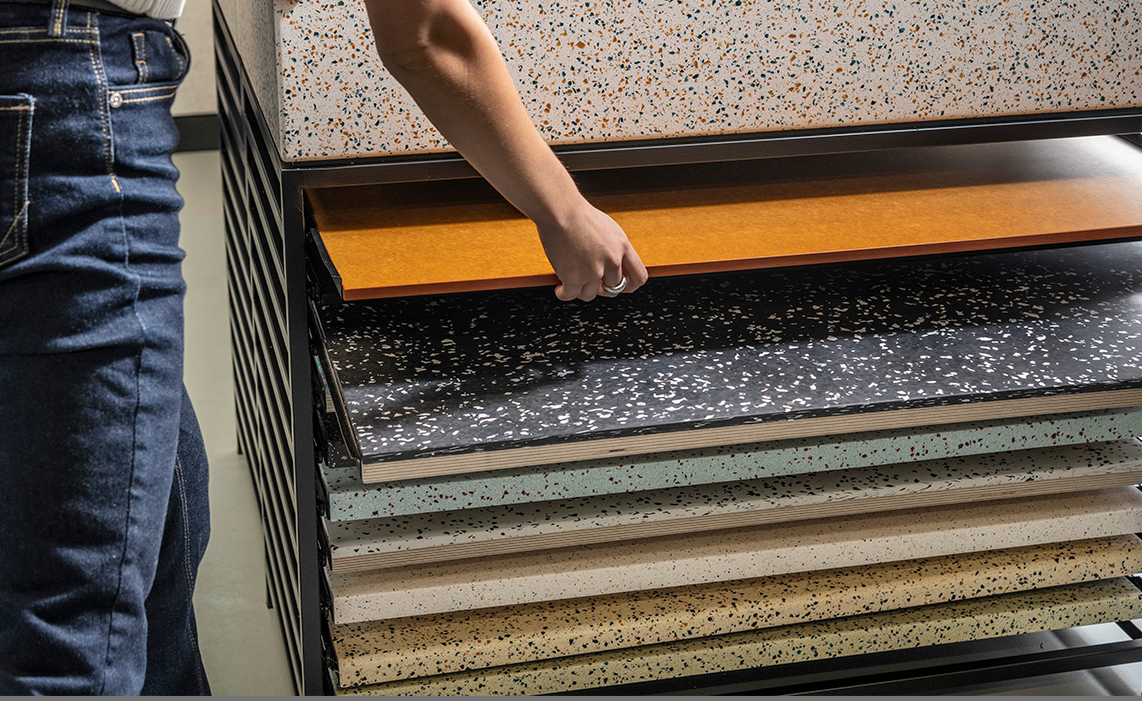
03 Apr,2026
How Surface Materials Can Enhance Your Home's Energy Efficiency
How Surface Materials Can Enhance Your Home's Energy Efficiency Table of Contents Introduction to Energy Efficiency in Your Home Understanding Surface Materials and Their Role Types of Surface Materials that Improve Energy Efficiency Insulating Materials Reflective Surfaces Sustainable and Eco-Friendly Materials
Read More →
02 Apr,2026
Laminated Board for Interior Use: Combining Functionality and Aesthetics
Laminated board for interior use: durable, decorative, moisture-resistant panels ideal for walls, furniture, and cabinetry
Read More →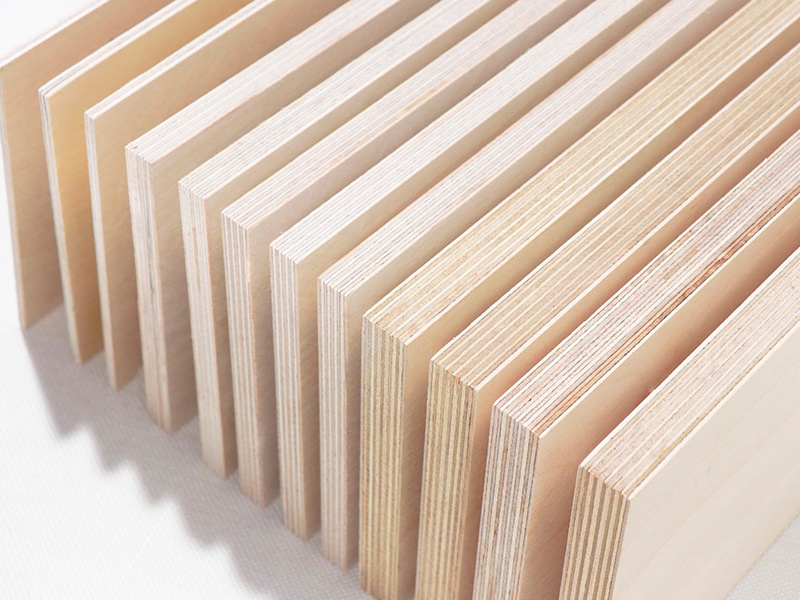
22 Mar,2026
Combining Aesthetics and Functionality with Laminated Boards: A Comprehensive Guide
Combining Aesthetics and Functionality with Laminated Boards Table of Contents 1. Introduction to Laminated Boards 2. What Are Laminated Boards? 3. Types of Laminated Boards 3.1. High-Pressure Laminates (HPL) 3.2. Low-Pressure Laminates (LPL) 3.3. Melamine Laminates 4. Benefits of Using Laminated Boards 5. Aesthetic Appeal
Read More →Contact Us
E-mail: devandecor@163.com
Add: NO.8 DONGHUAN RD,HENGLIN TOWN,WUJIN DISTRICT, CHANGZHOU ,JIANGSU,CHINA
Copyright © 2025 Changzhou Defan New Materials Co., Ltd. All rights reserved. www.300.cn SEO
Subscribe our newsletter
Welcome to leave us a message, we will reply to you as soon as possible